
April 2026 Gadget Trends: Camera Phones & Foldables Rise
 Vortixel
7 minutes read
Vortixel
7 minutes read
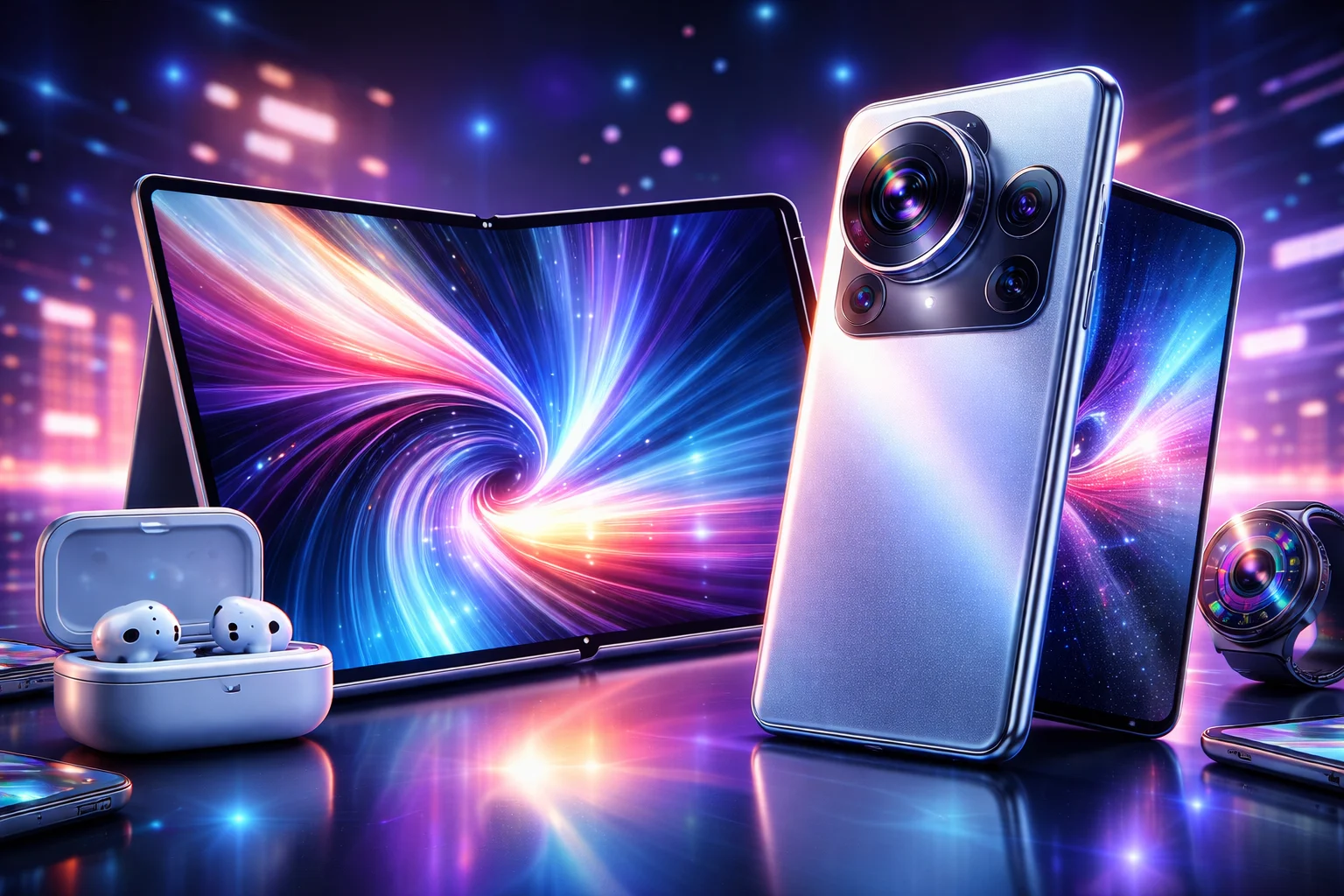
The New Era of Smart Gadgets Is Here
April 2026 is shaping up to be one of the most transformative months in the global gadget industry, where innovation is no longer just about speed or design, but about how devices integrate seamlessly into daily life. The spotlight this month is clearly on two dominant forces: camera-centric smartphones and foldable tablets, both pushing the boundaries of what consumers expect from modern devices. These trends are not just incremental upgrades but signal a deeper shift toward immersive, AI-powered, and highly personalized technology experiences.
What makes April 2026 particularly interesting is how brands are no longer competing solely on hardware specifications. Instead, they are racing to redefine user experience through AI, computational photography, and flexible form factors. The rise of high-megapixel sensors, AI-assisted imaging, and foldable displays indicates a future where gadgets are not just tools, but creative and productivity companions. For Gen Z users especially, who prioritize content creation and multitasking, this shift feels long overdue.
At the same time, the market is becoming increasingly saturated with options, making it harder for consumers to decide what truly matters. Is it the camera? The display? The AI features? Or the overall ecosystem? This article breaks down the April 2026 gadget trends, focusing on why camera phones and foldable tablets are dominating headlines, and what it means for the future of tech.
Camera Phones Are Redefining Mobile Photography
The smartphone camera has officially entered a new era. In April 2026, brands are no longer satisfied with incremental improvements; they are aiming for professional-grade photography in your pocket. Devices launching this month are equipped with 200MP sensors, advanced periscope zoom systems, and AI-driven image processing, making them powerful tools for both casual users and content creators.
One of the biggest shifts is the integration of AI photography engines that can analyze scenes in real-time. These systems adjust lighting, color balance, and even composition automatically, allowing users to capture stunning images without manual tweaking. The result is a seamless experience where technology handles the complexity, and users focus on creativity.
Another key trend is the rise of cinematic video capabilities. Smartphones are now capable of shooting in 8K with real-time stabilization and HDR processing. For Gen Z creators who rely on platforms like TikTok and YouTube Shorts, this means they no longer need expensive cameras to produce high-quality content. The smartphone becomes the ultimate all-in-one production studio.
Beyond specs, brands are also focusing on software ecosystems that enhance the camera experience. From AI-powered editing tools to cloud-based storage and sharing, the entire workflow is becoming more streamlined. This holistic approach is what sets 2026 devices apart from previous generations.
Why 200MP Cameras Actually Matter
At first glance, the jump to 200MP sensors might seem like a marketing gimmick. But in reality, it represents a significant leap in how images are captured and processed. These sensors use a technique called pixel binning, combining multiple pixels into one to produce clearer, brighter images, especially in low-light conditions.
This means that even though the sensor is capable of capturing extremely high-resolution images, it can also adapt to different scenarios. Whether you are shooting in bright daylight or a dimly lit room, the camera adjusts accordingly to deliver optimal results. This flexibility is what makes high-megapixel sensors truly valuable.
Additionally, higher resolution allows for lossless zooming. Users can crop into images without losing detail, effectively turning a single lens into a multi-purpose tool. This is particularly useful for travel photography, where carrying multiple lenses is not always practical.
The impact of these advancements is already visible in how people use their smartphones. Photography is no longer just about capturing moments; it is about creating visually compelling stories. And with 200MP cameras, the possibilities are virtually endless.
Foldable Tablets Are Becoming Mainstream
While camera phones dominate one side of the conversation, foldable tablets are quietly revolutionizing another. In April 2026, these devices are no longer experimental; they are becoming practical, everyday tools for productivity and entertainment.
The appeal of foldable tablets lies in their versatility. When folded, they function like a compact smartphone. When unfolded, they transform into a large-screen device suitable for multitasking, gaming, and media consumption. This dual functionality makes them ideal for users who want more from a single device.
What sets the latest generation apart is the improvement in durability and display quality. Early foldable devices were criticized for their fragile screens and visible creases. In 2026, manufacturers have addressed these issues with ultra-thin glass, advanced hinge mechanisms, and crease-minimizing technology, resulting in a smoother and more reliable experience.
Another important factor is the integration of software optimized for foldable screens. Apps can now adapt dynamically to different screen sizes, enabling features like split-screen multitasking and drag-and-drop functionality. This transforms foldable tablets into powerful productivity tools, not just novelty gadgets.
The Rise of Multitasking Culture
The popularity of foldable tablets is closely tied to the growing demand for multitasking capabilities. In a world where people juggle work, entertainment, and social interactions simultaneously, traditional devices often fall short.
Foldable tablets address this challenge by offering larger, flexible displays that can handle multiple apps at once. Users can watch a video, browse the web, and respond to messages—all on the same screen. This level of convenience is particularly appealing to Gen Z users, who are accustomed to switching between tasks بسرعة.
Moreover, the integration of AI assistants enhances multitasking even further. These assistants can predict user behavior, suggest actions, and automate repetitive tasks, making the overall experience more efficient. The combination of hardware and software innovation is what makes foldable tablets stand out in 2026.
AI Is the Real Game Changer
While cameras and foldable designs grab headlines, the real driving force behind these trends is artificial intelligence. In April 2026, AI is no longer a feature; it is the foundation of modern gadgets.
AI powers everything from camera enhancements and battery optimization to voice assistants and personalized recommendations. It enables devices to learn from user behavior and adapt accordingly, creating a more intuitive and responsive experience.
For example, AI can analyze how you use your smartphone throughout the day and adjust performance settings to maximize battery life. It can also prioritize notifications based on importance, reducing distractions and improving productivity.
In the context of camera phones, AI plays a crucial role in image processing and editing. It can remove unwanted objects, enhance colors, and even generate entirely new elements within a photo. This level of capability was once limited to professional software but is now accessible to everyday users.
What This Means for Consumers
The trends emerging in April 2026 have significant implications for consumers. On one hand, they offer unprecedented levels of functionality and convenience. On the other hand, they raise questions about cost, sustainability, and long-term value.
High-end camera phones and foldable tablets come with premium price tags, making them inaccessible to some users. However, as technology matures, these features are likely to trickle down to more affordable devices, democratizing access to advanced capabilities.
Another consideration is the environmental impact. As gadgets become more complex, their production and disposal pose challenges. Manufacturers are beginning to address this by incorporating recyclable materials and energy-efficient designs, but there is still a long way to go.
Ultimately, the key for consumers is to identify what features matter most to them. Whether it is photography, multitasking, or AI integration, understanding personal needs will help in making informed decisions.
The Future of Gadget Innovation
Looking ahead, the trends we see in April 2026 are just the beginning. The convergence of AI, advanced imaging, and flexible hardware is setting the stage for even more groundbreaking innovations.
We can expect to see further improvements in augmented reality, wearable technology, and smart ecosystems that connect multiple devices seamlessly. The line between different categories of gadgets will continue to blur, creating a more integrated digital experience.
For Gen Z users, who are at the forefront of adopting new technology, this future is particularly exciting. They are not just consumers but active participants in shaping how technology evolves.
Conclusion: A Turning Point in Gadget Evolution
April 2026 marks a significant turning point in the evolution of smart gadgets. The rise of camera phones and foldable tablets reflects a broader shift toward devices that are more powerful, versatile, and user-centric.
These trends highlight the importance of innovation that goes beyond hardware, focusing on how technology enhances everyday life. From capturing stunning photos to managing multiple tasks effortlessly, modern gadgets are becoming indispensable tools.
As the industry continues to evolve, one thing is clear: the future of technology is not just about what devices can do, but how they empower users to do more. And in that sense, April 2026 is not just another month in tech—it is a glimpse into what comes next.