
OpenAI Accelerates AI Phone Development Now
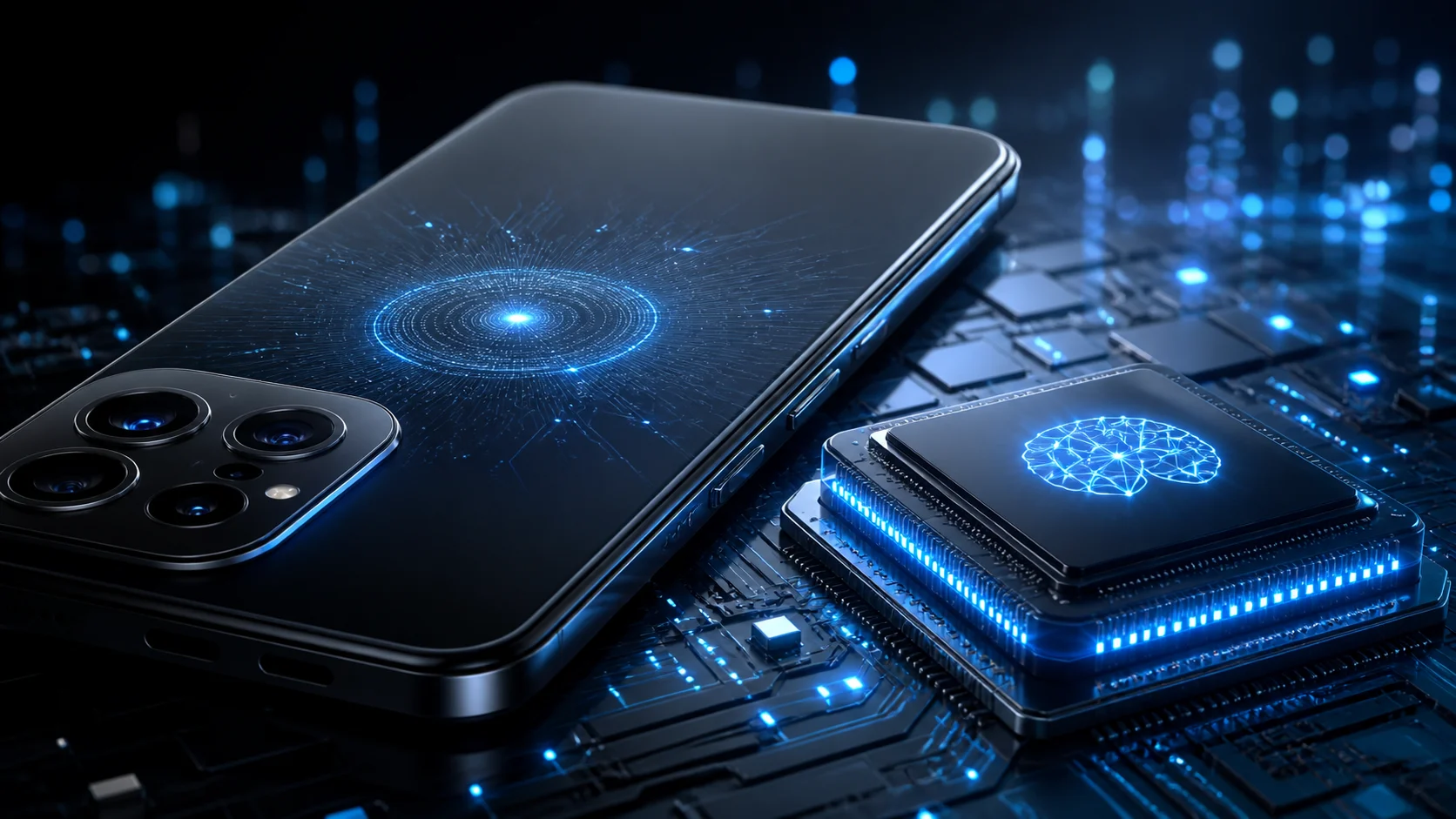
The conversation around smartphones has been stuck in a loop for years, with incremental upgrades and predictable launches dominating headlines. But now, something feels different, and it’s not just another camera bump or battery tweak. The phrase OpenAI Accelerates AI Phone has started circulating like a quiet storm in the tech world, hinting at a shift that could redefine how we interact with devices. This isn’t just about smarter assistants or better voice commands, but about a complete rethinking of what a phone actually is. When artificial intelligence moves from being a feature to becoming the core experience, the entire game changes. And that’s exactly where this new development is heading.
At the center of this transformation is a powerful combination of AI expertise and hardware innovation. The idea of an AI-first smartphone has been discussed before, but it always felt slightly ahead of its time, like a concept waiting for the right moment. Now, with advanced chipsets designed specifically for AI workloads, that moment seems to have arrived. The involvement of cutting-edge processors signals that this is not just experimental but deeply intentional. It suggests that the next generation of devices will not just run apps, but understand users in ways that feel almost human. The acceleration of this project points to urgency, ambition, and a belief that the future is already knocking.
The Rise of AI-Centric Smartphones
For years, smartphones have evolved around user interfaces, app ecosystems, and hardware upgrades that follow a familiar cycle. However, the emergence of AI-centric smartphones is beginning to disrupt that pattern in a meaningful way. Instead of focusing on what users tap, swipe, or open, the focus shifts toward what users need before they even ask. This transition marks a fundamental change in how devices are designed and experienced. It’s no longer about faster performance alone, but about contextual intelligence that adapts in real time. The idea is to make the device feel less like a tool and more like a companion.
This is where the concept behind OpenAI Accelerates AI Phone becomes so compelling. It signals a shift from reactive technology to proactive intelligence, where your phone anticipates your next move. Imagine waking up and your phone has already organized your day based on your habits, preferences, and subtle behavioral cues. This is not a distant dream but an emerging reality powered by advanced AI models running directly on-device. The integration of these models allows for faster processing, improved privacy, and a more seamless experience overall. It also reduces reliance on cloud-based systems, making interactions feel more immediate and personal.
Why AI Phones Are Different
The difference between traditional smartphones and AI-driven devices lies in how intelligence is embedded into the system. In older models, AI was often an add-on, used for features like camera enhancements or voice assistants. Now, with OpenAI Accelerates AI Phone, AI becomes the backbone of the entire operating system. This means every interaction, from typing messages to browsing content, is influenced by intelligent systems that learn and adapt continuously. It transforms the device into something dynamic rather than static.
Another key factor is personalization at a deeper level than ever before. AI phones can analyze patterns across multiple dimensions, including time, location, behavior, and even emotional tone. This enables a level of customization that feels almost intuitive, as if the device understands you without needing explicit input. The shift also opens the door to new forms of interaction, such as conversational interfaces that replace traditional app navigation. In this sense, the phone evolves from a screen-based tool into an intelligent entity that communicates naturally.
MediaTek’s Role in Powering the Future
Hardware has always been the foundation of technological progress, and in this case, the role of advanced processors cannot be overstated. The involvement of MediaTek introduces a new layer of capability that aligns perfectly with the demands of AI-driven devices. These processors are designed to handle complex machine learning tasks efficiently, allowing for real-time processing without compromising performance. This is crucial for enabling features that rely on constant data analysis and rapid decision-making. Without this level of hardware support, the vision behind OpenAI Accelerates AI Phone would remain theoretical.
MediaTek’s approach focuses on optimizing power consumption while maximizing computational output. This balance is essential because AI workloads can be incredibly resource-intensive. By creating chipsets that are specifically tailored for AI applications, the company ensures that devices can deliver advanced features without draining battery life. This also means users can experience continuous AI assistance throughout the day without worrying about performance drops. The synergy between software intelligence and hardware efficiency is what makes this development so significant.
Advanced AI Processing Capabilities
The introduction of specialized AI processing units marks a turning point in smartphone architecture. These units are capable of handling tasks that were previously dependent on cloud servers, such as natural language processing and real-time translation. With OpenAI Accelerates AI Phone, these capabilities are brought directly onto the device, reducing latency and improving reliability. This also enhances privacy, as sensitive data does not need to be transmitted to external servers. It creates a more secure environment where users can trust their devices with personal information.
The impact of these advancements extends beyond individual features. It influences how entire systems are designed, from operating systems to app ecosystems. Developers can now build applications that leverage on-device AI in ways that were not possible before. This opens up new possibilities for innovation, as the boundaries between hardware and software become increasingly blurred. The result is a more integrated and cohesive user experience that feels both powerful and intuitive.
Redefining User Experience Through AI
The concept of user experience is being redefined in ways that challenge traditional assumptions. Instead of designing interfaces that users must learn, AI phones aim to learn from users and adapt accordingly. This creates a more fluid interaction where the device evolves alongside the user’s needs. With OpenAI Accelerates AI Phone, this approach becomes central to the design philosophy. It emphasizes adaptability, responsiveness, and a deeper understanding of human behavior.
One of the most exciting aspects of this shift is the potential for seamless integration across different aspects of life. AI phones can connect with other devices, services, and environments to create a unified ecosystem. This means your phone can act as a central hub that coordinates everything from your schedule to your smart home. The level of connectivity and intelligence transforms everyday tasks into effortless experiences. It also reduces the cognitive load on users, allowing them to focus on what truly matters.
From Apps to Intelligent Systems
The traditional app-based model is gradually being replaced by more integrated systems that operate behind the scenes. Instead of opening multiple apps to complete a task, users can rely on AI to handle processes automatically. For example, planning a trip could involve coordinating flights, accommodations, and schedules without requiring manual input. This level of automation is made possible by the advanced capabilities introduced through OpenAI Accelerates AI Phone. It represents a shift from manual interaction to intelligent orchestration.
This transformation also changes how developers approach software design. Instead of creating standalone applications, they can build components that integrate into a larger AI-driven ecosystem. This encourages collaboration and innovation, as different services work together seamlessly. The result is a more cohesive digital environment where functionality is distributed rather than isolated. It also enhances the overall user experience by reducing friction and increasing efficiency.
Industry Impact and Competitive Landscape
The acceleration of AI phone development has significant implications for the broader technology industry. It introduces a new competitive dynamic where companies must rethink their strategies to stay relevant. Traditional smartphone manufacturers may need to adapt quickly to keep up with the pace of innovation. The emergence of AI-first devices challenges existing paradigms and forces a reevaluation of priorities. With OpenAI Accelerates AI Phone, the focus shifts from hardware specifications to intelligent capabilities.
This shift also affects how consumers perceive value in their devices. Instead of comparing features like camera quality or screen resolution, users may begin to prioritize intelligence and adaptability. This creates new opportunities for differentiation, as companies compete to deliver the most advanced AI experiences. It also raises questions about standardization and interoperability, as different ecosystems strive to establish dominance. The landscape becomes more complex, but also more exciting.
The Future of Smartphone Competition
As AI becomes the defining factor in smartphone development, the competitive landscape is likely to evolve rapidly. Companies that invest heavily in AI research and development may gain a significant advantage. This includes not only hardware manufacturers but also software providers and platform developers. The integration of AI into every aspect of the device creates new opportunities for collaboration and competition. It also blurs the lines between different sectors of the tech industry.
The concept behind OpenAI Accelerates AI Phone could set a new benchmark for what consumers expect from their devices. It raises the bar for innovation and challenges competitors to match or exceed these capabilities. This could lead to a wave of new products and features that push the boundaries of what smartphones can do. It also encourages a more dynamic and competitive market where innovation thrives.
Broader Implications for Technology and Society
The development of AI phones is not just a technological milestone but also a societal shift. It changes how people interact with technology and how technology interacts with people. With OpenAI Accelerates AI Phone, the relationship between humans and devices becomes more collaborative. This raises important questions about privacy, ethics, and the role of AI in everyday life. It also highlights the need for responsible development and implementation.
One of the key challenges is ensuring that these technologies are used in ways that benefit users without compromising their autonomy. This requires careful consideration of design principles and regulatory frameworks. It also involves educating users about how these systems work and how to use them effectively. The goal is to create a balance between innovation and responsibility that supports long-term growth. This is essential for building trust and ensuring widespread adoption.
Navigating the Ethical Landscape
As AI becomes more integrated into personal devices, ethical considerations become increasingly important. Issues such as data privacy, algorithmic bias, and user consent must be addressed proactively. The development of OpenAI Accelerates AI Phone brings these challenges to the forefront, highlighting the need for transparency and accountability. It also emphasizes the importance of user control, allowing individuals to manage how their data is used.
This creates an opportunity for companies to differentiate themselves through ethical practices. By prioritizing user trust and responsible innovation, they can build stronger relationships with their customers. It also encourages a more thoughtful approach to technology development, where long-term impact is considered alongside immediate benefits. This is crucial for ensuring that AI technologies are used in ways that enhance rather than hinder human experience.
Conclusion: A New Era of Intelligent Devices
The acceleration of AI phone development marks the beginning of a new era in technology. It represents a shift from traditional devices to intelligent systems that understand and adapt to users in real time. With OpenAI Accelerates AI Phone, this vision becomes more tangible, driven by advancements in both software and hardware. The integration of advanced processors and AI models creates a powerful combination that redefines what smartphones can do. It also opens up new possibilities for innovation and creativity.
As this technology continues to evolve, it will shape the future of communication, productivity, and everyday life. The impact extends beyond individual devices, influencing entire ecosystems and industries. It challenges existing paradigms and encourages a more dynamic approach to technology development. The journey is just beginning, but the direction is clear. The future of smartphones is not just smart, but truly intelligent, and it is arriving faster than anyone expected.
Want more gadget insights?
Explore more articles on smartphones, wearables, flagship launches, AI devices, and the future of consumer tech.

Related Articles
AI Wearables 2026 Are Replacing Smartphones

AI Smart Ring Trends Reshape Premium Gadgets