Google Wallet Security Makes Online Payments Safer
 Vortixel
16 minutes read
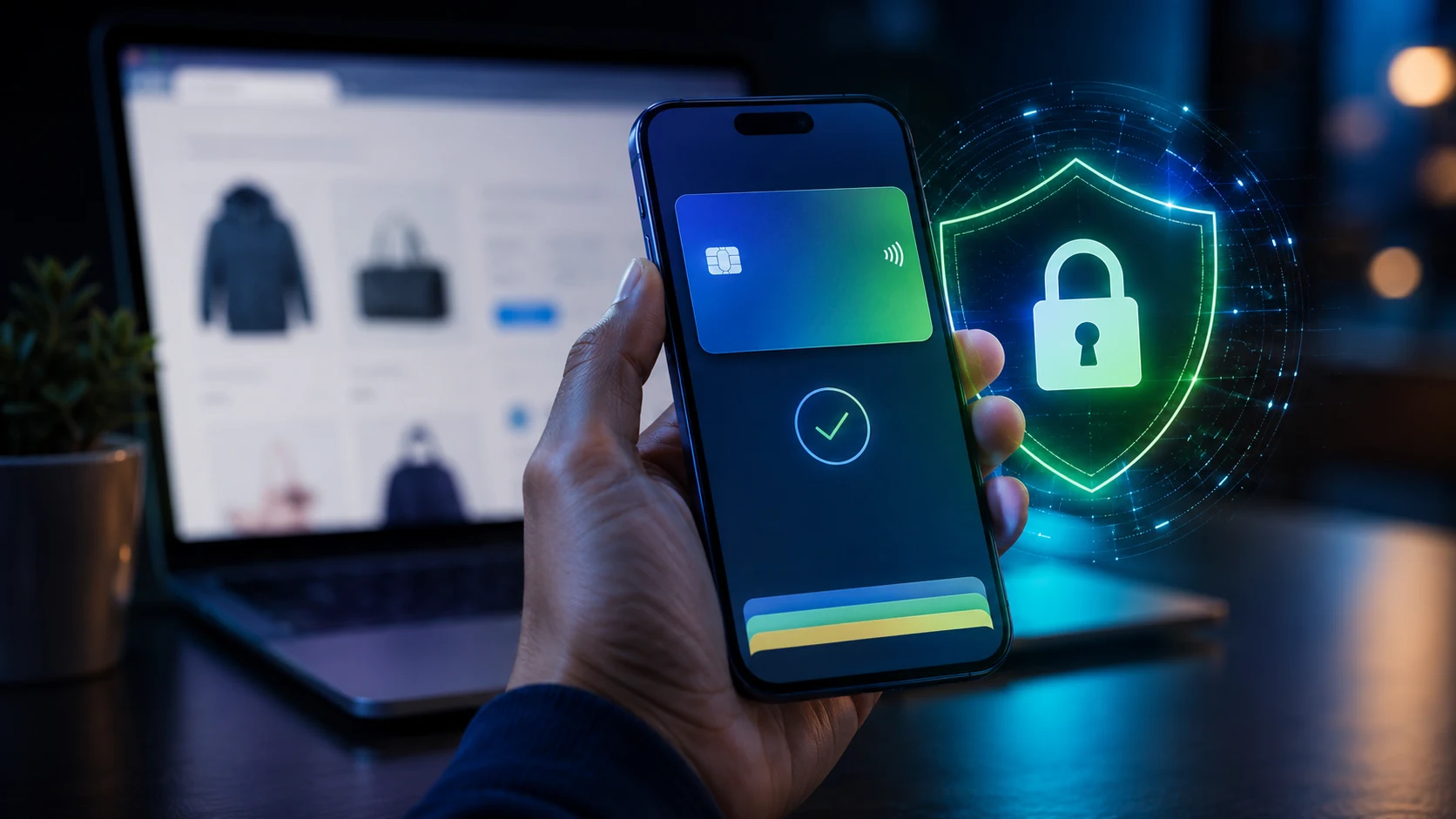
The next phase of online checkout is starting to feel less like typing numbers into a website and more like confirming a decision on a device you already trust. That is why Google Wallet security is becoming a bigger story than a simple app refresh or another redesign on Android. The new direction for Google Wallet and Google Pay is focused on making online payments safer without making the user experience feel slower, heavier, or stuck in the old password era. For shoppers, that means fewer exposed card details, stronger identity checks, and a checkout flow that can lean on biometrics, device locks, and smarter payment verification. For the wider tech industry, it signals a clear shift: digital wallets are no longer just convenient storage spaces, because they are turning into security layers for everyday commerce.
For years, online payment security has had a weird tension at its core. People want checkout to be fast, but every extra step that protects money can feel like friction when someone is trying to buy a charger, book a ride, renew a subscription, or grab a limited gadget drop before it sells out. At the same time, removing too much friction creates a playground for stolen card details, phishing pages, fake stores, and account takeover attempts. Google’s latest Wallet and Pay updates are interesting because they try to solve both problems at once instead of choosing between speed and safety. The core idea is simple but powerful: keep the checkout familiar, but move the trust signal closer to the user’s device and identity.
Why Google Wallet Security Matters Now
The timing matters because online shopping has become more fragmented, more mobile, and more exposed than ever. A user might start browsing on a laptop, compare prices on a phone, confirm a purchase from a browser, and later track the order from a tablet or smartwatch. That kind of cross-device behavior is convenient, but it also creates more moments where payment data can be intercepted, reused, mistyped, or tricked out of someone through a fake checkout page. This is where Google Wallet security becomes more than a feature label, because the wallet can act as a bridge between the user’s payment card, Google Account, Android device, Chrome browser, and merchant checkout. When that bridge is designed well, the user gets a smoother payment experience while the real card number stays better protected behind tokenization and verification.
The updated approach also lands at a moment when consumers are more aware of payment risk, even if they do not always know the technical language behind it. Most people may not talk about device tokens, cryptographic authentication, or passkey-like flows in daily life, but they understand the fear of a random charge showing up or a card needing to be replaced after a breach. They also understand the frustration of checkout pages asking for card details again and again, especially when the purchase is happening on a device they already unlocked with a fingerprint, face scan, PIN, or pattern. Google is leaning into that reality by making Wallet and Pay feel more like a secure identity checkpoint rather than just a card autofill tool. That makes the update relevant not only to gadget fans, but also to anyone who buys things online and wants fewer weak spots in the process.
The Big Shift: Safer Checkout Without the Old Friction
The most important part of the story is not only that online payments can be verified more securely. The bigger point is that verification can happen in a way that feels natural to how people already use their phones. Instead of forcing users to type a card security code or wait for an SMS code that may be delayed, intercepted, or simply annoying, Google’s payment ecosystem can use device-based confirmation methods that are already familiar. A fingerprint, face scan, screen lock, or secure device prompt can become the moment of trust before a payment moves forward. In practical terms, that could make desktop shopping safer too, because a purchase started on a computer can still be verified through an Android device tied to the user’s trusted setup.
This matters because a lot of fraud does not happen because people are careless. It happens because older systems ask users to prove identity in ways that are easy to copy, steal, or socially engineer. A password can be reused, a code can be phished, and a card number can leak through a compromised merchant or fake site. Device-based payment confirmation raises the bar because the attacker needs more than just typed information. They need access to the trusted device, the secure unlock method, or the account environment that connects the payment session back to the real user.
That does not make any payment system magically invincible, and it would be irresponsible to pretend otherwise. But it does change the risk model in a meaningful way. When the checkout flow depends less on raw card details and more on authenticated tokens, user verification, and controlled wallet access, stolen information becomes less useful on its own. For shoppers, the benefit is quiet but huge, because the safest system is often the one that protects them in the background without demanding constant attention. For merchants, the same shift can reduce abandoned carts because customers do not have to fight through clunky authentication screens every time they buy something ordinary.
How Google Wallet Is Becoming a Trust Layer
Digital wallets used to be described mostly as storage apps. They held cards, passes, tickets, IDs, loyalty programs, transit access, and other everyday essentials. That description still fits, but it no longer captures the full direction of the product. Google Wallet is increasingly becoming a trust layer for digital life, especially as more transactions move between online checkout, in-store tap-to-pay, travel, identity verification, and subscriptions. The redesign and feature direction make the wallet feel less like a folder of digital items and more like a secure control center for how users prove they are allowed to pay, access, enter, or verify something.
That trust layer is especially important for online payments because the internet has separated buying from physical presence. In a store, a tap-to-pay moment happens near a terminal, usually with a phone or watch that has already been unlocked or worn. Online, the distance is wider, and the checkout page has to trust that the person clicking “buy” is the real cardholder. Google Wallet can help close that distance by bringing a trusted device into the payment flow. When the payment request is linked to a device that has strong unlock requirements, the purchase gets a stronger identity signal than a typed card form alone can provide.
Why Tokenization Still Deserves Attention
One of the most important security ideas behind modern wallets is tokenization, even though the word sounds more like something from a developer conference than a checkout screen. In simple terms, tokenization helps avoid exposing the real card number during a transaction. Instead of handing the merchant the raw card details in a way that can become dangerous if stored or stolen, the wallet uses protected payment information that is much less useful outside that specific context. This is a major reason digital wallet payments can be safer than repeatedly typing card numbers into different websites. When paired with stronger verification, tokenization turns the wallet into a protective layer between the user and the messy reality of online commerce.
For users, this protection is easy to underestimate because it happens silently. Nobody gets a dramatic notification saying their real card number was not exposed during checkout, and most people do not see the technical process behind a payment approval. But that invisible work matters a lot because every checkout page is a potential point of risk. The fewer places that receive sensitive card data directly, the smaller the damage when a merchant account, database, or payment form becomes a target. This is why Google Wallet security should be understood as a system of small protections working together rather than one shiny feature that solves everything alone.
What This Means for Everyday Online Shopping
The most immediate impact for regular users is convenience with better guardrails. When Google Pay appears at checkout, the payment can feel faster because the user does not need to manually enter every card detail, billing field, or shipping field from scratch. But the newer security direction makes the convenience feel more defensible because autofill and payment selection can be paired with stronger verification. Instead of the browser simply remembering numbers, the wallet experience can require confirmation from the person holding the trusted device. That balance is important because speed alone is not enough anymore, especially when online scams are getting better at looking polished and legitimate.
For someone buying gadgets online, the value is easy to imagine. A shopper might be ordering a new pair of earbuds, a gaming controller, a smartwatch strap, a portable SSD, or a discounted Android phone from a retailer they do not use every week. The wallet can reduce the need to share card details repeatedly while still keeping checkout fast enough for impulse purchases and flash sales. If the purchase requires device verification, the user gets an extra moment to confirm that the transaction is intentional. That extra moment can be the difference between a smooth purchase and a payment mistake caused by a fake checkout page, a shared computer session, or an account that should have been locked down earlier.
Impact on Android, Chrome, and Desktop Payments
The Android connection is one of the biggest reasons this update matters for the gadget ecosystem. Google has a rare position because it controls major pieces of the everyday payment journey: Android phones, Chrome, Google Accounts, Wallet, Pay, and developer tools used by merchants. When those pieces become more connected, payment security can feel less scattered across separate apps and more integrated into the device experience. A user can browse on a desktop, confirm on a phone, and rely on account-level protections without needing to rebuild trust from zero at every step. This is the kind of ecosystem play that makes Technology coverage around digital wallets more important than it might seem at first glance.
Desktop payments are especially interesting because they have historically felt less personal than mobile payments. A phone is usually close to the user, protected by a lock screen, and tied to biometric habits. A laptop or shared browser session can be more complicated, especially when multiple accounts, saved cards, or old autofill data are involved. By letting a trusted Android device help verify a desktop purchase, Google can make computer-based shopping feel more like phone-based authentication. That could give users a stronger sense of control while keeping merchants from losing sales to slow or confusing checkout flows.
The Trend Behind the Update: Passwords Are Fading
The bigger trend is clear: passwords are losing their place as the main gatekeeper for sensitive actions. Tech companies are moving toward passkeys, biometrics, device-bound authentication, and verification methods that are harder to phish. Payments are part of that same migration because money is one of the highest-value targets in a user’s digital life. If signing in can become safer through device-based authentication, then paying online should be able to benefit from similar ideas. Google Wallet’s latest direction fits into this larger movement where identity is proven through something more resilient than a remembered string of characters.
Gen Z users, in particular, are already living in a world where unlocking with a face scan or fingerprint feels normal. They do not have the same emotional attachment to passwords that older internet users may have built over decades. For them, the ideal payment experience is instant, mobile-friendly, and secure by default, not loaded with old-school friction. That makes Google’s wallet strategy feel aligned with how younger shoppers actually behave. They expect a payment flow to recognize the device, confirm identity quickly, and move on without turning checkout into a mini obstacle course.
Why Merchants Should Care About Safer Google Pay
This update is not only a consumer story. Merchants and online stores also have a lot at stake because checkout is where revenue can disappear in seconds. A customer may love the product, accept the price, and reach the payment page, only to abandon the cart because authentication feels suspicious, slow, or too complicated. Safer wallet-based checkout can help merchants offer stronger payment protection while keeping the buying journey clean. That matters for gadget retailers, app subscriptions, digital services, gaming stores, accessory shops, and any business selling to users who expect mobile-grade speed.
Fraud prevention can also become more efficient when the payment flow carries stronger signals about the user and device. A transaction verified through a trusted wallet environment may give payment processors and merchants better confidence than a manually entered card on an unfamiliar session. This does not remove the need for fraud detection, chargeback management, or careful merchant security practices. But it can reduce the pressure on older methods that often punish legitimate customers with extra steps. In a competitive online market, fewer false declines and smoother authentication can be a real advantage.
Practical Insights for Users
For everyday users, the smartest move is to treat Google Wallet like a financial security tool, not just a convenience app. That starts with keeping the phone’s screen lock strong, because wallet security depends heavily on the device being protected. A weak PIN, shared unlock pattern, or neglected phone update can reduce the benefit of even the best payment system. Users should also keep Android, Chrome, and Wallet updated so new authentication improvements and security fixes arrive as soon as possible. The wallet can do a lot, but it works best when the device around it is not treated casually.
Users should also be intentional about where they pay online. A wallet button at checkout is helpful, but it is not a free pass to trust every store, every ad, or every deal that looks too good to be true. It is still worth checking the retailer, reviewing the URL, avoiding suspicious links, and watching for fake urgency around limited-time offers. The difference is that using Wallet or Google Pay can reduce how much sensitive payment information gets typed directly into random sites. That makes smart shopping and strong wallet security work together instead of replacing each other.
Simple Habits That Make Wallet Payments Safer
- Use a strong screen lock and avoid obvious PINs that someone could guess after watching you unlock your phone.
- Keep Google Wallet, Chrome, and Android updated so payment verification improvements and bug fixes stay current.
- Review saved payment cards regularly and remove cards you no longer use for online purchases.
- Use Google Pay or Wallet checkout on trusted merchants when available instead of typing card numbers manually.
- Turn on account protections like two-step verification and recovery options for your Google Account.
These habits may look basic, but they matter because payment security usually fails through a chain of small weaknesses. A reused password, an outdated phone, a rushed checkout, and a fake store link can combine into a real problem. Strong wallet tools reduce that risk, but they cannot fully protect someone who ignores every warning sign. The goal is not to become paranoid about every payment, because that would make digital life exhausting. The better goal is to build a few smart habits so secure checkout becomes the default instead of a special effort.
The Gadget Angle: Phones Are Becoming Payment Guards
For a gadget-focused audience, the most interesting part of the update is how it changes the role of the smartphone. The phone is no longer just a screen for shopping or a place to store apps. It is becoming a payment guard, identity checkpoint, and security key that follows the user across online and offline experiences. This makes hardware features like biometric sensors, secure chips, software updates, and device lock policies more important to the payment story. A better payment wallet is not only about the app interface, because it depends on the trustworthiness of the device itself.
That also explains why the future of wallets will likely connect more deeply with wearables, foldables, tablets, and smart glasses over time. As people use more devices, the question becomes which device is trusted enough to approve a payment and how that approval should feel. A smartwatch can be great for quick in-store taps, while a phone may be better for confirming larger or cross-device online purchases. A foldable or tablet could become a richer shopping surface, but it still needs secure identity confirmation before money moves. Google Wallet’s direction suggests that the winning gadget ecosystem will be the one that makes security feel invisible until the exact moment the user needs to approve something important.
The Bigger Impact on Digital Wallet Competition
Google is not operating in a vacuum, and that makes this update even more important. Apple, Samsung, PayPal, banks, card networks, browsers, and fintech platforms are all fighting to own parts of the checkout experience. The winner will not simply be the company with the fastest button or the prettiest app. The winner will be the platform that makes users feel safe enough to save payment details, return often, and trust the checkout experience across devices. In that race, Google Wallet security becomes a competitive feature as much as a consumer protection feature.
This competition could be good for users if it pushes every platform toward safer standards. Better device verification, broader passkey adoption, smarter fraud detection, and cleaner privacy controls can raise expectations across the entire market. The risk is that users may end up managing too many wallet systems, too many checkout buttons, and too many account settings across different ecosystems. Google’s advantage is that it can connect Wallet to Android and Chrome at massive scale. If the experience stays simple, the security upgrade could feel less like another product feature and more like the normal way online payments should work.
What Could Still Improve
Even with stronger security, Google Wallet still has areas where the experience can improve. Availability can vary by region, bank, card issuer, merchant, device, and feature rollout timing. That means one user may see a smooth wallet-based checkout while another still gets pushed into a more traditional card form. Consistency matters because security features only become powerful at scale when people can rely on them everywhere. If Google wants Wallet to become the default trust layer for payments, the company needs broad merchant adoption and clear communication inside the checkout flow.
Transparency is another area that matters. Users should understand when they are approving a payment, what information is being shared, and why a device verification prompt appears. If security feels mysterious, people may ignore it, distrust it, or treat every prompt like another annoying pop-up. Clear language can make a big difference, especially for users who are not deeply technical. The strongest digital wallet experience will be one where the user feels both protected and informed without needing to read a security white paper before buying a phone case.
Conclusion: Safer Payments Are Becoming Invisible
The new direction for Google Wallet shows where online payments are headed. The future is not about making checkout more complicated in the name of safety, and it is not about making payments dangerously instant either. The better path is a system where security becomes more invisible, more device-aware, and more connected to how people already unlock and use their gadgets. That is why Google Wallet security is such an important keyword for the next chapter of digital payments. It captures a shift from stored cards to trusted transactions, from typed numbers to verified devices, and from old friction to smarter protection.
For shoppers, the message is practical: use the wallet tools, keep the device secure, and stay alert when buying from unfamiliar stores. For merchants, the message is strategic: safer wallet checkout can reduce friction, build trust, and protect revenue at the same time. For the gadget industry, the message is bigger: phones, watches, and browsers are becoming part of the payment security stack, not just accessories around it. Google Wallet’s latest evolution may look like another app update on the surface, but the deeper story is about trust moving closer to the user. In a world where online payments happen everywhere, that trust may become the most valuable gadget feature of all.