
Galaxy Watch Ultra Security Update Hits July
 Vortixel
16 minutes read
Vortixel
16 minutes read
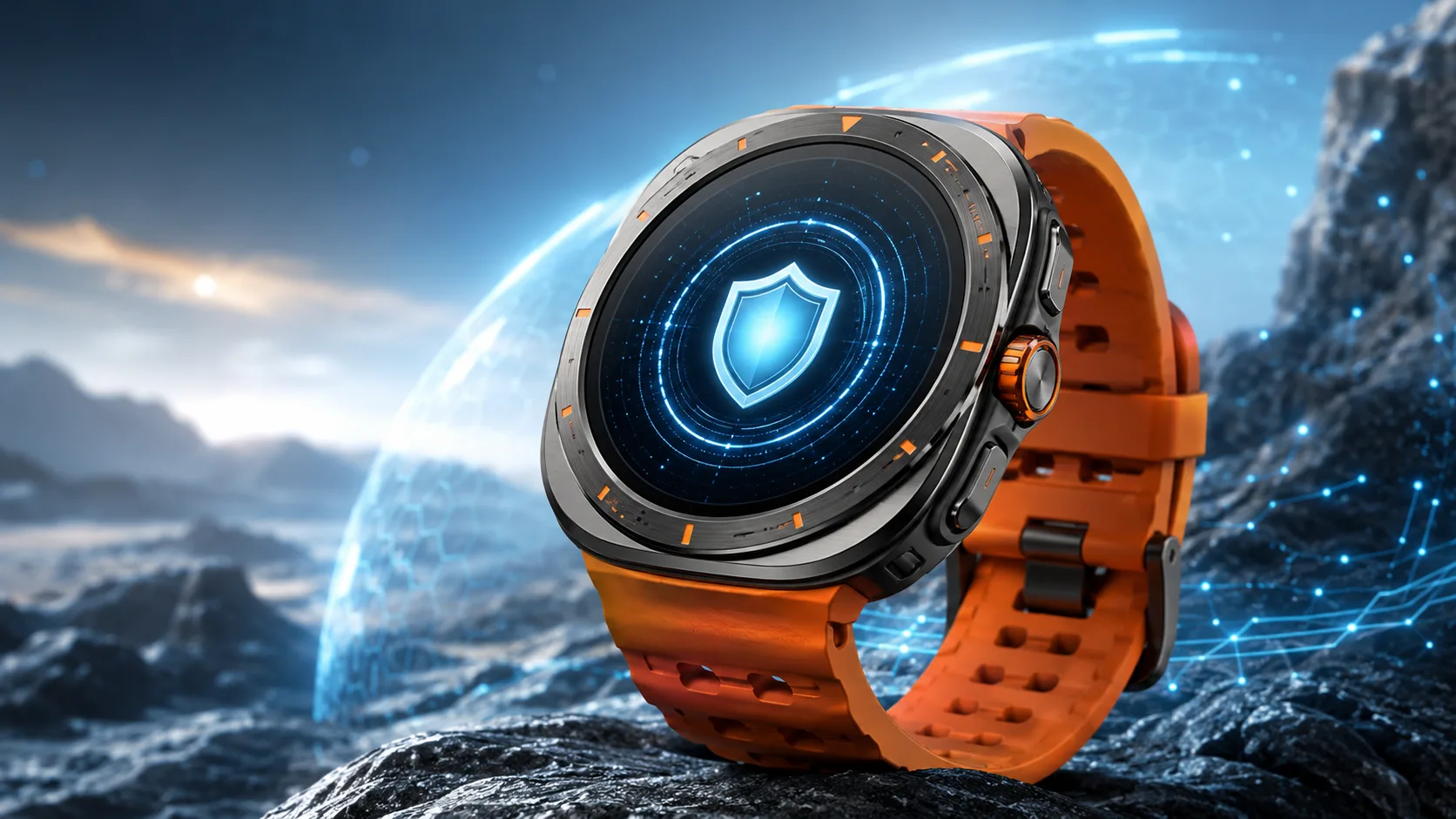
The Galaxy Watch Ultra security update is not the flashiest wearable story of the summer, but it might be one of the most important for people who actually wear their smartwatch every day. While big launch events and futuristic AI demos usually steal the spotlight, a simple July patch says a lot about where Samsung’s rugged smartwatch strategy is heading. The Galaxy Watch Ultra is built for runners, hikers, cyclists, swimmers, gym regulars, and users who want their wrist device to feel less like an accessory and more like a daily tool. That kind of device needs more than bold design and long battery life; it needs quiet, consistent software care in the background. This July security update matters because modern smartwatches are no longer just step counters, and the data they carry is too personal to treat casually.
Samsung’s latest July patch for the Galaxy Watch Ultra arrives at a moment when wearables are becoming more powerful, more connected, and more deeply tied to user identity. A smartwatch can now hold fitness logs, sleep patterns, location history, payment access, health trends, notifications, app permissions, and sometimes even emergency features. That makes a security update feel less like a small maintenance task and more like digital hygiene for the wrist. The update may not radically change the interface or add a headline-grabbing feature, but it reinforces the foundation that every premium wearable depends on. For Galaxy Watch Ultra owners, this is the kind of update that keeps the experience trustworthy even when nothing obvious changes on the surface.
Why the Galaxy Watch Ultra Security Update Matters
The Galaxy Watch Ultra security update matters because smartwatches sit in a different category from phones, laptops, or tablets. They stay on the body for long hours, collect sensitive movement and health-related signals, and constantly communicate with a paired smartphone. A phone might spend part of the day on a desk, but a watch follows the user through workouts, commutes, sleep routines, and outdoor activities. That constant presence makes security and stability more personal than many users realize. When Samsung pushes a monthly patch to the Galaxy Watch Ultra, it is not only protecting software; it is protecting a device that has become part of someone’s daily rhythm.
The July update also shows how the smartwatch industry has matured beyond the early days of basic notifications and simple fitness tracking. Premium wearables are now expected to behave like serious connected computers, even if their screens are small. Users want maps, heart rate insights, sleep tracking, voice assistants, LTE connectivity, third-party apps, and seamless sync with other devices. Every one of those features creates more software complexity, which means more reasons to keep firmware updated. For a rugged model like the Galaxy Watch Ultra, regular patches help maintain the promise that the device can be trusted during both everyday routines and more demanding outdoor use.
There is also a branding angle here that should not be ignored. Samsung positions the Galaxy Watch Ultra as a premium wearable for people who want durability, performance, and advanced tracking in one package. A premium product cannot rely only on hardware specs after launch; it needs a strong support cycle to keep users confident. Monthly security patches may not generate the same hype as a new titanium frame or brighter display, but they support long-term satisfaction. In a market where Apple, Garmin, Google, and other brands are fighting for loyal wrist space, software maintenance becomes part of the product’s value.
What the July Patch Brings to Galaxy Watch Ultra
The July patch for the Galaxy Watch Ultra is focused mainly on security and system reliability, which means users should not expect a completely redesigned watch overnight. Updates like this usually work behind the scenes by closing vulnerabilities, improving stability, and making sure the device stays protected against known software issues. That may sound boring compared with a major feature drop, but it is exactly the kind of boring that keeps premium tech feeling dependable. A watch that receives regular patches is less likely to feel abandoned after the first wave of reviews and launch excitement fades. For people who paid for a high-end smartwatch, that long-term attention is part of what makes the investment feel justified.
Security patches often include fixes across different parts of the system, from core software components to connected services and device-specific frameworks. On a wearable, those fixes can touch communication layers, sensor-related software, app behavior, Bluetooth stability, or background system processes. The user may not see a new icon or flashy animation after installing the update, but the watch is still changing in meaningful ways. The best security updates are often invisible because they quietly reduce risk without disrupting the user experience. That is exactly why Galaxy Watch Ultra owners should treat this July rollout as more than a routine notification.
Another important detail is that security updates help support trust in features that people use without thinking too much about them. When a smartwatch tracks a morning run, shows a message preview, records sleep, or syncs health data, users expect that process to happen safely. If the device also supports mobile payments or LTE connectivity, the stakes become even higher. The Galaxy Watch Ultra is designed to be used in active and sometimes unpredictable environments, which means reliability matters as much as novelty. A July patch keeps that promise alive by helping the device stay current against known threats and software weaknesses.
A Small Update With Big Wearable Energy
The interesting thing about this update is how it reflects a larger shift in the wearable market. Smartwatches used to compete mainly on battery life, fitness tracking, and design, but now they also compete on software support. A user might buy a watch for the display or the sports modes, but they stay loyal when the device keeps improving and remains protected over time. Samsung understands that the Galaxy Watch Ultra has to be more than a rugged face on the wrist. It has to feel like a living product that keeps receiving attention after launch day.
This matters even more because wearable devices are moving into a phase where AI, health interpretation, and context-aware features are becoming normal expectations. The more intelligent a watch becomes, the more data it needs to process, organize, and protect. A smartwatch that knows when you sleep, how you train, where you move, and how your body responds to stress is powerful, but it also carries responsibility. Regular security updates are the quiet infrastructure behind that future. Without them, all the talk about AI-powered wellness and smarter wrist computing starts to feel fragile.
The July patch also lands in a broader Samsung ecosystem where phones, tablets, earbuds, rings, and watches are increasingly designed to work together. The Galaxy Watch Ultra is not isolated; it connects into Galaxy smartphones, Samsung Health, wearable apps, cloud sync, and notification systems. That makes security a network issue, not just a single-device issue. When one part of the ecosystem is kept updated, the whole experience feels more stable and more polished. For users who already live inside Samsung’s ecosystem, this kind of maintenance helps make the entire setup feel more premium.
How This Update Fits Samsung’s Wearable Strategy
Samsung’s wearable strategy has been getting more serious, and the Galaxy Watch Ultra is one of the clearest signs of that ambition. The company is no longer treating smartwatches as simple phone companions or lifestyle accessories. It is pushing into advanced health tracking, outdoor durability, stronger app integration, and a more complete Galaxy ecosystem. Security updates support that strategy by giving users a reason to believe the device will keep aging well. A high-end smartwatch needs to feel reliable not just in the first month, but through every season of training, travel, work, and daily wear.
The Ultra branding also creates expectations that Samsung has to keep meeting. When a device carries that name, users expect toughness, premium materials, advanced sensors, and stronger software commitment. A patch may not be glamorous, but it helps defend the premium promise that comes with the Ultra label. It tells users that Samsung is paying attention to the details even when the update does not come with a giant feature list. In the wearable category, that consistency can become a competitive advantage because trust builds slowly and disappears quickly.
There is also a clear timing advantage in keeping current models updated before or around new product cycles. As Samsung prepares its next wave of Galaxy devices and wearable improvements, older premium models need to keep feeling relevant. Nobody wants to buy an expensive smartwatch only to see software support slow down too soon. By pushing a July security update to the Galaxy Watch Ultra, Samsung keeps the device part of the active conversation. That helps users feel like they are still holding a current product, not a forgotten model waiting to be replaced.
Why Smartwatch Security Is Getting More Serious
Smartwatch security is becoming more serious because watches now handle information that feels deeply personal. A phone knows a lot about a user, but a watch can know patterns that are even more intimate. It can track sleep duration, heart rate zones, workout habits, stress signals, walking routes, and daily activity levels. That kind of data can reveal lifestyle patterns that people may not want exposed or mishandled. This is why security patches for wearable devices deserve more attention than they usually get.
The Galaxy Watch Ultra is especially relevant because it is marketed toward active users who may rely on it outside controlled environments. Someone might use it while hiking, running in a new city, swimming, cycling, or traveling with limited access to their phone. In those moments, stable software and secure connectivity matter because the watch is part of the user’s safety and awareness toolkit. Features like GPS tracking, emergency support, workout monitoring, and quick notifications become more than convenience. A regular patch helps keep those features running on a stronger software base.
Security also affects user confidence in connected payments and account-based services. Many smartwatch users enjoy the convenience of paying from the wrist, checking messages quickly, or controlling smart home devices without pulling out a phone. Those features only feel comfortable when the device is protected and regularly maintained. A smartwatch that falls behind on patches can slowly become a weak point in a user’s digital life. That is why the July patch is a practical reminder that wearables need the same update discipline as smartphones.
The Gen Z Angle: Updates Are Part of the Vibe
For younger tech users, software support is increasingly part of the product vibe, even if nobody says it that way in a spec sheet. People want devices that feel current, secure, and connected to the future. A smartwatch that keeps getting patches feels alive, while one that stops receiving updates starts to feel like old tech even if the hardware still looks good. The Galaxy Watch Ultra already has the bold design and rugged personality that makes it stand out on the wrist. The July patch adds the quieter part of the equation: confidence that the watch is still being looked after.
That matters because wearable purchases are emotional and practical at the same time. Users buy a smartwatch because they want motivation, convenience, style, and a little bit of futuristic energy in daily life. But after the first week, the relationship becomes routine, and routine is where software quality starts to matter. If notifications are smooth, tracking is stable, battery behavior feels predictable, and updates arrive on time, the watch becomes easier to trust. The Wearable Devices category is built on that mix of lifestyle and reliability.
The July security update also fits the way people now think about tech ownership. Buying a device is no longer just about what it can do on day one. It is about how long it stays useful, how often it improves, and whether the brand keeps supporting it when the next shiny model arrives. For Galaxy Watch Ultra owners, this patch is a small signal that the device still has momentum. That is important in a market where users are more selective, more informed, and less patient with products that feel neglected.
What Users Should Do Before Installing
Before installing the July update, Galaxy Watch Ultra users should take a few simple steps to make the process smoother. First, make sure the watch has enough battery or place it on the charger during the update. Second, keep the paired smartphone nearby because wearable updates often depend on a stable connection between the phone and the watch. Third, connect to Wi-Fi if possible, especially if the update file is larger than expected. These basics sound obvious, but they can prevent interruptions that make the update process slower or more annoying than it needs to be.
Users should also open the Galaxy Wearable app and check whether the update is available for their model and region. Software rollouts often happen in phases, which means one country may receive the patch before another. That does not always mean something is wrong with the device. It usually means Samsung is gradually expanding availability to avoid widespread issues and monitor rollout stability. If the patch is not visible yet, checking again later is usually better than forcing risky manual workarounds.
After installing the update, it is normal for the watch to feel slightly busy for a short period as the system settles. Battery behavior can fluctuate after any firmware update because the device may optimize apps, refresh background processes, or rebuild certain software elements. Users should give the watch a little time before judging battery life or performance changes. If anything feels off, restarting the watch and checking app updates can help. Most security patches are designed to be low-drama, and that is exactly how users should want them to be.
Practical Benefits for Everyday Galaxy Watch Ultra Owners
The most practical benefit of the July patch is peace of mind. Galaxy Watch Ultra owners can keep using the device with more confidence, knowing Samsung is actively addressing known security issues. That matters for people who use the watch for workouts, notifications, payments, sleep tracking, and daily health routines. Even if the update does not change the look of the interface, it supports the trust behind those everyday actions. In premium wearables, trust is one of the features that users notice most when it is missing.
There may also be subtle stability improvements that users experience without being able to point to one specific change. A smartwatch update can make connections feel smoother, reduce small bugs, improve background behavior, or make the device feel more consistent across daily use. Those improvements are not always listed in dramatic language, but they help the product feel more refined. The Galaxy Watch Ultra is the kind of device that users expect to work without constant attention. A security-focused patch supports that expectation by keeping the software base cleaner and more dependable.
For fitness-focused users, reliability is especially important because tracking interruptions can be frustrating. A missed workout record, unstable GPS session, or sync issue can break the flow for someone who depends on data to monitor progress. While a security update is not the same as a sports feature update, both contribute to the overall experience. Stronger firmware helps the watch operate as a consistent companion instead of a flashy gadget with unpredictable behavior. That is why even low-key updates deserve attention from serious wearable users.
What This Says About the Future of Wearables
The July Galaxy Watch Ultra patch points toward a future where wearable updates become more important, not less. As watches gain more AI features, deeper health analysis, and tighter ecosystem links, the need for reliable security will only grow. Users will expect their devices to understand context, suggest actions, detect health patterns, and connect smoothly with other screens. That future sounds exciting, but it also increases the responsibility of companies building these devices. Samsung’s ability to maintain its smartwatch lineup will be a major part of whether users trust the next generation of wearable intelligence.
Wearables are also becoming a front line for ambient computing, where technology fades into the background while still guiding daily decisions. The watch is one of the best examples of that shift because it sits on the body and reacts quickly to small moments. It can nudge someone to move, warn about unusual patterns, display urgent messages, or guide a route without requiring full attention. But ambient technology only works when users believe it is secure and reliable. Regular updates are the maintenance layer that makes that belief possible.
This is also why Samsung cannot treat smartwatch updates as an afterthought. The competition is too intense, and users now compare watches on more than design and battery life. They care about health features, ecosystem fit, update speed, app support, durability, and long-term value. The Galaxy Watch Ultra sits in the premium tier, so every update becomes part of its reputation. A July security patch may seem small, but it helps Samsung keep the Ultra line positioned as a serious wearable platform.
Should You Install the July Patch Right Away?
For most Galaxy Watch Ultra users, installing the July patch as soon as it becomes available is the smart move. Security updates are designed to protect the device from known issues, and delaying them rarely brings a real benefit. Unless a user is traveling, low on battery, or dealing with a weak connection, there is little reason to ignore the notification. The update should be treated like routine maintenance for a premium wearable. Just like charging the watch or cleaning the band, keeping software current is part of owning the device responsibly.
Users who depend on the watch for workouts or daily routines may want to install the update during downtime instead of right before a run, gym session, or commute. That gives the watch time to complete the process and settle afterward. It is also a good idea to check that Samsung Health, Galaxy Wearable, and related apps are updated on the paired phone. Smartwatch performance often depends on both the watch firmware and the companion apps working smoothly together. A clean update environment reduces the chance of small annoyances after installation.
The only real patience required is regional availability. Samsung updates do not always land everywhere at the same time, so some Galaxy Watch Ultra owners may need to wait for the rollout to reach their device. That is normal and does not mean the watch has been skipped. Once the patch appears, installing it is a simple way to keep the device aligned with Samsung’s latest software protections. For a wearable that handles personal data every day, that is worth doing.
The Bottom Line on Galaxy Watch Ultra’s July Update
The Galaxy Watch Ultra security update may not be the kind of news that floods social feeds with dramatic reactions, but it is exactly the kind of update that keeps a premium wearable worth wearing. It reinforces security, supports stability, and shows that Samsung is still actively maintaining one of its most important smartwatch models. In a world where watches are becoming health companions, payment tools, notification hubs, fitness coaches, and AI-ready devices, regular patches are not optional. They are part of the product experience, even when users barely notice them. For Galaxy Watch Ultra owners, the July update is a reminder that the best wearable improvements are sometimes the ones working quietly in the background.
This update also says something bigger about where the smartwatch market is going. Hardware still matters, but software support is becoming just as important for long-term value. The Galaxy Watch Ultra already has the bold design and rugged personality that make it stand out, but updates like this help it stay relevant after launch hype fades. Samsung’s challenge now is to keep that momentum going as wearables become smarter, more personal, and more connected to everyday life. If the company keeps delivering timely patches, the Galaxy Watch Ultra can continue feeling like a serious device for users who expect their tech to keep up.