Samsung Galaxy Watch Ultra2 Battery Gamble
 Vortixel
17 minutes read
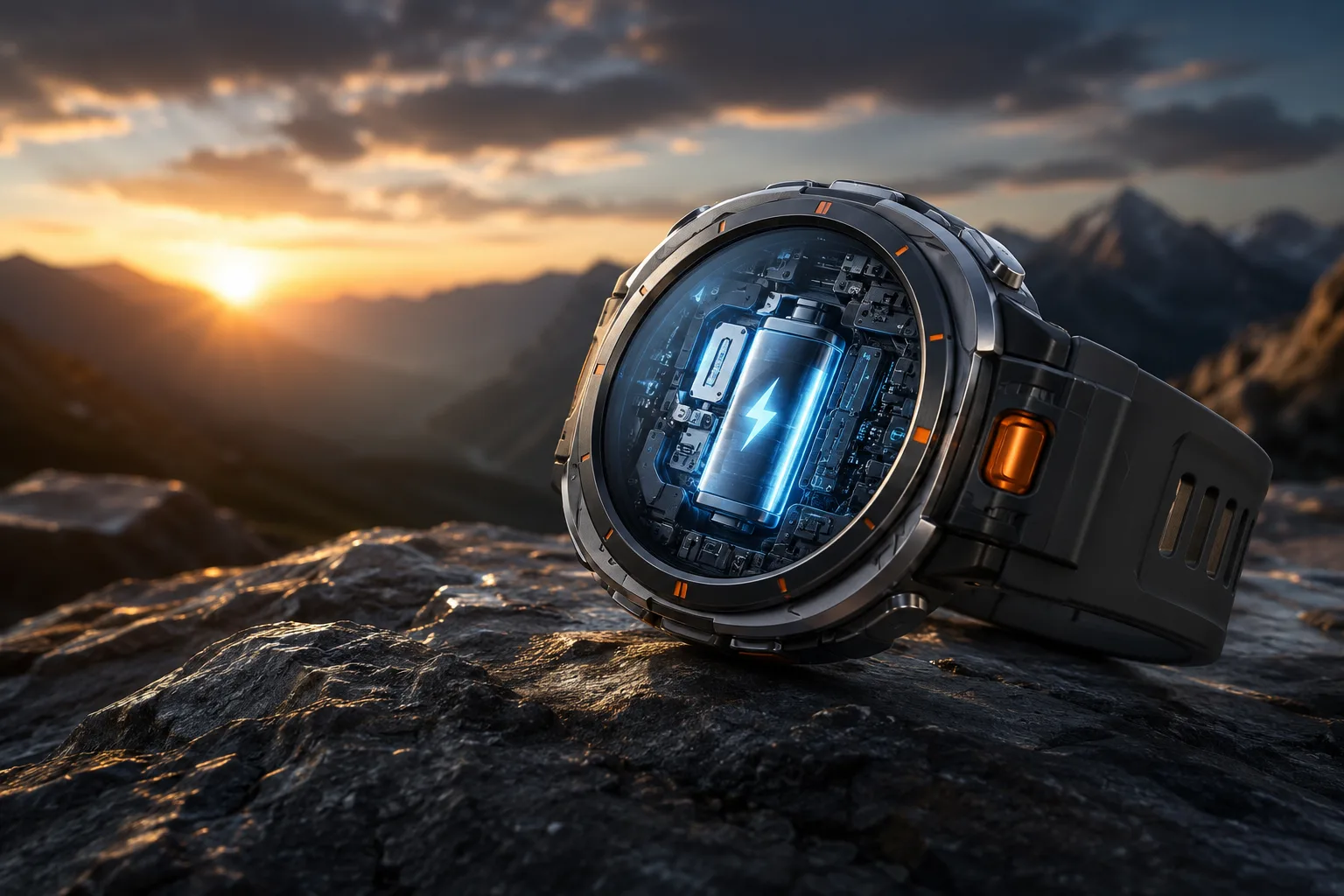
The new Samsung Galaxy Watch Ultra2 battery story starts with a simple truth: smartwatches are no longer judged only by how many things they can do. They are judged by how long they can keep doing those things without turning into another anxious charging ritual. For years, premium wearables have promised better health tracking, brighter screens, faster chips, deeper outdoor modes, and more AI-powered guidance, but every upgrade has quietly pushed against the same old wall: battery life. Samsung seems to know that wall is where the next wearable battle will be fought, and the Galaxy Watch Ultra2 arrives like a direct answer to anyone tired of babysitting a charger. This is not just a smartwatch refresh; it is Samsung trying to make battery endurance feel like a headline feature again.
That matters because the modern smartwatch has become one of the most personal gadgets people own. It sits on the wrist during commutes, workouts, sleep, meetings, grocery runs, weekend hikes, late-night walks, and those half-planned fitness resets that start every Monday morning. A phone can survive a few hours away from your hand, but a watch is supposed to be present all day, all night, and ideally the next morning too. When that promise breaks, the entire wearable experience starts feeling fragile. The Galaxy Watch Ultra2 is Samsung betting that a bigger battery, smarter efficiency, and a more adventure-ready identity can make its premium watch feel less like an accessory and more like a reliable daily companion.
Why the Samsung Galaxy Watch Ultra2 Battery Matters
The most important thing about the Samsung Galaxy Watch Ultra2 battery is not just the size of the cell. It is what Samsung is trying to communicate with that size. A larger battery signals that the company understands the wearable market has changed from casual step counting into full-time health, fitness, navigation, safety, and notification support. Users do not want to choose between sleep tracking and morning workout tracking because their watch had to sit on a magnetic puck overnight. They also do not want an outdoor-focused smartwatch that panics during a long GPS session, especially when cheaper fitness watches can last for days. Samsung is trying to close that confidence gap by making endurance part of the Ultra identity rather than treating it as a side note.
This battery-first direction also makes sense because smartwatch users are more demanding now. A wearable is expected to track heart rate, sleep stages, stress signals, blood oxygen trends, skin temperature, routes, workouts, calls, messages, alarms, calendar nudges, music controls, and app notifications without feeling like it is constantly running out of breath. That is a lot for a tiny device with a bright screen, compact processor, sensors, radios, haptics, and software working in the background. The stronger the watch becomes, the more obvious weak battery life feels. So when Samsung puts battery at the center of the Galaxy Watch Ultra2 conversation, it is responding to a real pain point rather than chasing a spec-sheet flex.
The Ultra Identity Is About Trust, Not Just Toughness
Ultra-branded gadgets are usually sold with a certain kind of energy. They are bigger, brighter, stronger, more expensive, and designed for people who want the “best” version of a device even if they never climb a mountain or run an ultramarathon. That branding can sometimes feel dramatic, but for watches it actually has a practical meaning. A premium outdoor smartwatch has to feel trustworthy in moments when a normal watch might feel limited. It needs enough battery for long tracking sessions, enough durability for sweat and weather, enough brightness for harsh sunlight, and enough intelligence to turn raw health data into something useful. The Galaxy Watch Ultra2 leans into that role by making endurance one of the features that supports everything else.
Trust is the hidden currency in wearables. If a smartwatch dies at 5 p.m., users start checking the battery percentage instead of checking their health data. If it cannot last through sleep tracking, the overnight insights become optional instead of automatic. If GPS drains too fast, runners, hikers, and cyclists start carrying backup devices or switching brands entirely. Samsung wants the Ultra2 to feel like the watch that does not make people negotiate with their routines. That is why battery life is not just a technical upgrade here; it is the emotional backbone of the product.
A Bigger Battery Changes the Daily Rhythm
The Galaxy Watch Ultra2’s larger battery gives Samsung room to reframe how people use a smartwatch across a full day. Instead of asking users to charge before bed, after a workout, or during a random desk break, the watch can aim for a more relaxed rhythm. That may sound small, but charging friction is one of the biggest reasons wearable features go unused. Many people buy watches for sleep tracking, then skip it because the device needs power at night. Others turn off always-on display, reduce notifications, avoid GPS workouts, or disable features because they are trying to stretch battery life. A better battery lets the watch feel more complete because users can actually leave the features on.
This is where Samsung’s battery bet becomes more than a number. A smartwatch that lasts longer changes user behavior because it removes tiny moments of hesitation. You are more likely to track a walk if you are not worried about the evening battery. You are more likely to wear the watch to sleep if you do not need to charge it overnight. You are more likely to explore health features if you do not feel punished for leaving sensors active. In real life, better battery life does not just mean fewer charging sessions; it means more consistent data, more confident tracking, and less mental clutter.
Battery Life Is Becoming the New Premium Feature
For a long time, smartwatch marketing focused on screens, apps, materials, bands, and fitness modes. Those things still matter, but they no longer feel rare. Most premium watches can show notifications, track workouts, measure heart rate, run third-party apps, and connect to a phone ecosystem. The difference now is how gracefully they handle all of that while staying alive. Battery life has become a premium feature because it determines whether every other premium feature is usable without compromise. The Samsung Galaxy Watch Ultra2 battery push fits into that larger shift, where endurance is no longer treated as boring hardware maintenance but as part of the luxury experience.
This trend is especially important for Samsung because the Android smartwatch space has often struggled against specialist fitness watches and Apple’s tightly integrated wearable ecosystem. Garmin-style devices have trained outdoor users to expect multi-day stamina, while Apple has trained iPhone users to expect smooth software polish. Samsung has to fight on both sides at once. The Ultra2 cannot simply be a prettier Galaxy Watch with a rugged case. It has to offer enough endurance to make Android users feel they are not settling when they choose a full smartwatch over a dedicated sports watch.
The AI Era Makes Battery Even More Important
Smartwatches are moving deeper into the AI era, and that makes battery life even more critical. AI-powered health summaries, workout suggestions, sleep insights, recovery recommendations, and contextual nudges all depend on consistent data collection. A watch cannot build useful patterns if users take it off constantly to recharge. It also cannot become a meaningful health companion if its most advanced features encourage people to disable background tracking. Samsung’s broader Galaxy ecosystem is clearly moving toward more connected AI experiences, and the watch is one of the most natural places for that intelligence to live. But the more a watch knows, processes, and explains, the more pressure it puts on power management.
This creates a challenge that every wearable brand now has to solve. Users want smarter devices, but they do not want smarter devices that feel needier. They want personalized insights, but they do not want to charge another screen twice a day. They want brighter displays, faster response times, stronger sensors, and richer health dashboards, but they still expect the watch to fade into the background. The Galaxy Watch Ultra2 is Samsung’s attempt to balance that contradiction. Its battery strategy matters because AI wearables will only feel magical if they also feel low-maintenance.
Design Still Has to Carry the Battery Upgrade
A bigger battery can be a blessing or a design problem, depending on how well a company hides the trade-off. Smartwatches live on the wrist, so every millimeter matters. A phone can get slightly thicker and most people will adapt, but a watch that feels bulky can become annoying by lunch. Samsung has to make the Ultra2 feel powerful without making it feel like a wrist brick. That means the case shape, band system, weight balance, display size, and everyday comfort all have to work together. Battery life may be the headline, but comfort decides whether people keep the watch on long enough to benefit from it.
This is where the Ultra line walks a delicate line between rugged and wearable. A rugged watch should look confident, but it should not feel like a piece of equipment that only makes sense on a trail. Most people who buy an Ultra smartwatch will wear it in ordinary places: offices, cafes, airports, gyms, sidewalks, and bedrooms. The design has to survive workouts without looking out of place at dinner. If Samsung can make the larger battery feel invisible in daily use, the Ultra2 becomes much easier to recommend. If it feels too heavy or too aggressive, the battery advantage may appeal mostly to niche outdoor users.
Health Tracking Gets Better When Charging Gets Easier
Battery life has a direct impact on health tracking because the best health data comes from consistency. A single night of sleep data is interesting, but weeks of sleep trends are useful. One workout summary can be motivating, but months of workout recovery patterns can actually guide behavior. A heart rate graph means more when the watch is worn through different parts of the day instead of only during exercise. This is why battery endurance is not separate from Samsung’s health ambitions. The longer the Galaxy Watch Ultra2 stays on the wrist, the more complete its health story becomes.
For everyday users, this could make the Ultra2 feel more practical than previous premium smartwatches. Someone trying to improve sleep habits needs the watch at night, not on a charger. Someone tracking stress needs the watch during work hours, not sitting beside a laptop. Someone using fitness goals needs the watch during spontaneous activity, not only planned workouts. Better battery life makes those use cases feel natural instead of scheduled. In the world of Wearable Devices, the best tracking feature is often the one you never have to think about enabling.
Outdoor Users Are the Real Test
The Galaxy Watch Ultra2’s battery story becomes most serious when outdoor use enters the conversation. GPS tracking is one of the fastest ways to drain a smartwatch because it keeps location services active while the display, sensors, and workout software are also doing their jobs. For casual walks, that drain may not matter much. For long runs, hikes, bike rides, travel days, and endurance training, it becomes the difference between confidence and compromise. Samsung’s Ultra label naturally invites comparison with watches built for longer adventures. That means the Ultra2 has to prove it can handle more than a polished gym session.
Outdoor users also tend to be less forgiving because reliability matters more when conditions are less controlled. A watch dying during a treadmill session is annoying. A watch dying halfway through a remote trail route is a much bigger problem. Battery life supports navigation, emergency tools, workout history, route recovery, and the basic reassurance of having information on the wrist. Samsung does not need to beat every specialist adventure watch in every endurance scenario to succeed. It does need to make Android users feel that choosing a smarter, more connected watch does not mean giving up the stamina they need for serious movement.
The Display Is Part of the Battery Conversation
A brighter display is one of the easiest features to appreciate and one of the hardest features to power efficiently. People want a screen that stays readable under summer sun, during outdoor workouts, and in quick glances while moving. At the same time, display brightness can become a major battery drain if the watch is not tuned carefully. That makes the Galaxy Watch Ultra2’s screen strategy closely tied to its battery strategy. A premium outdoor watch cannot simply turn brightness down to save power, because visibility is part of the product’s promise. Samsung has to deliver both clarity and stamina without making one feel like a compromise.
This balance is especially important because the watch face is the part users interact with most. A faster chip may be invisible during many moments, and advanced sensors may work quietly in the background, but the display is always judged instantly. If the screen is easy to read, the watch feels more responsive and premium. If the display looks great but drains too quickly, the excitement fades fast. Battery improvements give Samsung more room to push a brighter, more useful display while keeping the overall experience steady. That is why the Ultra2’s power story is not only about duration; it is about supporting a better interface.
Performance Needs Efficiency, Not Just Speed
Smartwatch performance is not only about opening apps quickly or scrolling smoothly. On a device this small, performance has to be efficient enough to stay cool, responsive, and power-conscious throughout the day. A faster platform can improve the experience, but only if it avoids turning the watch into a tiny battery furnace. Samsung’s challenge with the Ultra2 is to make the watch feel modern without letting speed become another drain. Users expect fluid animations, quick health dashboards, accurate workout starts, stable Bluetooth connections, and reliable notifications. They also expect all of that to happen without a battery percentage that drops like a countdown timer.
This is where chipset efficiency becomes part of the bigger wearable trend. The future of smartwatches is not just more processing power; it is smarter processing power. Watches need to know when to work hard, when to sip power, and when to let background systems handle tasks quietly. The best version of the Galaxy Watch Ultra2 is not the one that feels dramatically faster for five minutes. It is the one that feels consistently smooth across a long day while still having enough charge left for sleep tracking. That kind of efficiency is less flashy than a spec bump, but it matters more in actual use.
Samsung Is Chasing a More Complete Android Watch
The Galaxy Watch Ultra2 also represents Samsung’s ongoing attempt to define the best possible Android smartwatch experience. That goal is harder than it sounds because Android users are not all the same. Some want a fitness tracker with phone features. Some want a stylish watch with health extras. Some want an outdoor device that can survive travel, workouts, water, dust, and rough weekends. Others just want the closest thing to an Apple Watch experience without buying an iPhone. A bigger battery helps Samsung speak to all of those groups because endurance is one of the few upgrades everyone understands immediately.
This is also where Samsung’s ecosystem advantage becomes important. The watch works best when it feels connected to a Galaxy phone, Galaxy earbuds, Samsung Health, AI features, and the broader app environment. A stronger battery gives that ecosystem more time to show its value. If the watch is always charged, users are more likely to rely on it for calls, controls, reminders, health alerts, and quick interactions. If the battery becomes a daily worry, even the best ecosystem features become less sticky. Samsung’s bet is that a more durable battery experience can make the entire Galaxy ecosystem feel more dependable.
What This Means for Apple, Garmin, and the Watch Market
The Galaxy Watch Ultra2 enters a market where every major wearable brand is being pressured from a different direction. Apple continues to dominate mainstream premium smartwatch culture, especially among iPhone users. Garmin remains powerful among runners, cyclists, hikers, and people who care deeply about battery life and training metrics. Google’s Pixel Watch line has been trying to make Wear OS feel more refined and personal. Samsung has to stand in the middle of that crowd and make a case that its Ultra watch can be both smart and serious. Battery life is one of the clearest ways to make that case without needing a complicated explanation.
This could push the entire category forward. Once one major brand makes battery endurance a central talking point again, others have to respond. Apple may focus even harder on low-power modes and efficiency. Garmin may lean into its training heritage while polishing smartwatch features. Google may need to keep improving Pixel Watch battery life to stay competitive with Samsung’s more aggressive hardware. The result could be a healthier wearable market where users get fewer compromises. Samsung’s Ultra2 may not rewrite the industry overnight, but it adds pressure exactly where users have been asking for progress.
Practical Insight: Who Should Care Most?
The Galaxy Watch Ultra2 will make the most sense for people who already know battery anxiety is their biggest smartwatch frustration. If you wear a watch all day, track workouts often, care about sleep data, and dislike daily charging, the battery upgrade is not just a nice bonus. It directly improves the way you use the device. It also matters for people who travel frequently because hotel-room charging routines are easy to forget. A longer-lasting watch is simply less fragile during busy weeks. For users who live inside the Samsung ecosystem, the Ultra2 could become the most practical premium watch option because it supports more features with fewer interruptions.
However, not everyone needs an Ultra watch. If you only use a smartwatch for notifications, casual steps, and occasional timers, a smaller or less expensive model may feel more comfortable and reasonable. If you want extreme battery life above all else, a dedicated sports watch may still be the better tool. If you have smaller wrists, the Ultra2’s rugged design may require a try-on before buying. The smartest buying decision depends on whether the battery upgrade solves a real problem in your routine. Samsung is selling power, but the value of that power depends on how much you actually use the watch.
The Bigger Trend: Wearables Are Growing Up
The Galaxy Watch Ultra2 reflects a larger shift in wearable technology. Smartwatches are no longer treated like fun companion screens that count steps and mirror phone notifications. They are becoming health devices, training tools, safety accessories, travel companions, and AI-powered lifestyle assistants. That evolution makes durability, battery life, accuracy, comfort, and data privacy more important than ever. A wearable that fails at endurance cannot fully succeed at those bigger ambitions. Samsung’s focus on battery shows that the company understands smartwatches have entered a more mature stage.
This maturity also changes how people evaluate upgrades. A new watch does not need to look wildly different to matter. It needs to remove friction from daily life. Longer battery life, better sensor consistency, brighter visibility, smoother performance, and smarter health guidance can be more meaningful than a dramatic redesign. The Ultra2 seems built around that kind of practical progress. It may not be the flashiest gadget story of the year, but it fits the moment perfectly. Wearables are becoming more serious, and battery life is becoming one of the clearest signs that a company is taking them seriously.
The Battery Bet Is Really a Lifestyle Bet
Samsung is not only betting that people want a bigger battery. It is betting that people want a watch that disappears into their lifestyle instead of constantly asking for attention. That is an important difference. The best technology often becomes valuable when it stops interrupting the user and starts supporting the user quietly. A smartwatch that lasts longer can become part of morning routines, workouts, workdays, evenings, and sleep without feeling like another device to manage. That kind of reliability is what turns a gadget from interesting to essential. The Galaxy Watch Ultra2 is trying to cross that line.
This approach feels especially relevant in a world full of screens that already demand too much from everyone. People do not want another device that creates more micro-stress. They want fewer small problems, fewer low-battery warnings, fewer missed health insights, and fewer moments where the tech gets in the way. Battery life is not glamorous in the same way as AI demos or titanium finishes, but it affects the experience every single day. Samsung’s Ultra2 makes a strong argument that practical endurance can be just as premium as design. In 2026, that may be exactly what the smartwatch category needs.
Conclusion: Samsung’s Smartest Upgrade Is Endurance
The Samsung Galaxy Watch Ultra2 battery story is bigger than a larger cell or a longer runtime claim. It is Samsung recognizing that the next premium smartwatch battle will be won by devices that feel powerful, intelligent, and low-maintenance at the same time. The Ultra2’s battery focus supports health tracking, outdoor workouts, AI features, bright display use, and everyday reliability in a way that users can feel immediately. It also sends a message to the wider wearable industry: endurance is no longer a background spec. It is part of the main experience.
For Gadget Vortixel readers, the most interesting part is not whether the Galaxy Watch Ultra2 is the perfect smartwatch for everyone. It is what this launch says about where wearables are heading. The future wrist device will not just be smarter; it will have to be more dependable, more comfortable, and more present without becoming more annoying. Samsung’s battery-first Ultra2 strategy makes that future feel a little more realistic. If the real-world performance lives up to the promise, this could be the upgrade that makes Samsung’s premium watch feel less like a flashy accessory and more like the Android wearable to beat.