
Budget Gaming Laptop Finally Feels Cool Again
 Vortixel
16 minutes read
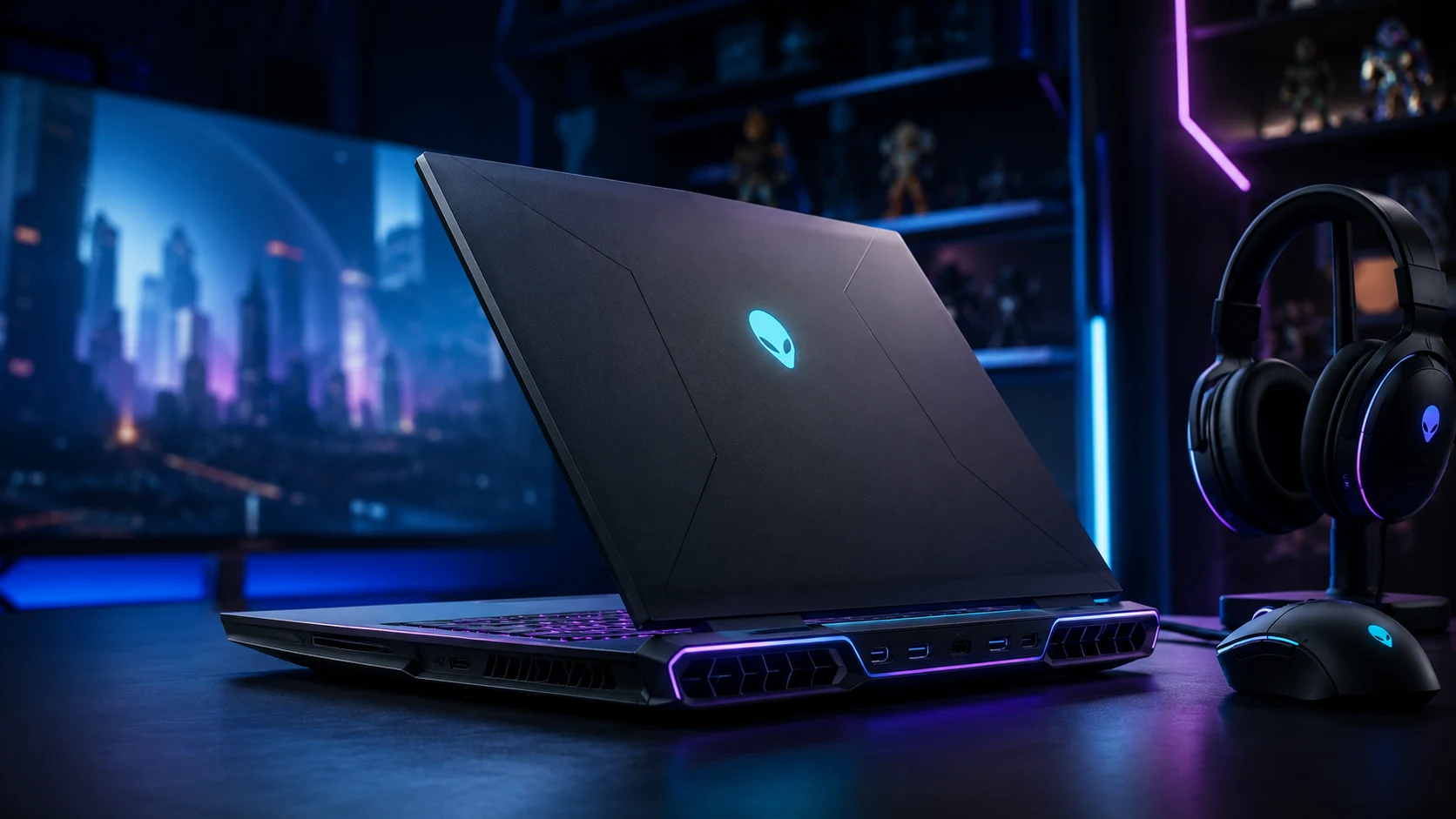
The phrase budget gaming laptop used to come with a warning label, even when nobody said it out loud. It meant plastic that felt too hollow, fans that sounded like a tiny airport, screens that looked washed out, and performance that always seemed one patch behind the games people actually wanted to play. The Alienware 15 steps into that history with a different kind of energy, not by pretending to be a luxury machine in disguise, but by making the entry-level gaming laptop feel less like a compromise and more like a real lane. That matters because the gaming laptop market has spent years chasing thinner bodies, sharper RGB, and flagship GPUs while regular players waited for something that could survive both school bags and late-night ranked sessions. In 2026, the cool factor is not just about flexing the most expensive rig on a desk; it is about getting enough power, enough style, and enough confidence without turning a laptop purchase into a financial side quest.
Why This Budget Gaming Laptop Hits Differently
The Alienware 15 feels interesting because it arrives at a moment when gamers are becoming more practical, not less ambitious. A lot of players still want smooth frame rates, crisp visuals, and that unmistakable gaming look, but they are also watching prices, storage needs, battery life, and upgrade cycles more closely than before. That is where a budget gaming laptop with an Alienware badge becomes a story bigger than one device. Alienware has always carried a certain mythology in PC gaming, built around bold designs, premium builds, and the sense that the laptop on the table was made for people who took games seriously. Bringing that identity closer to the mainstream changes the vibe because it tells budget buyers they are not just getting the leftover version of gaming culture.
For years, the entry-level gaming segment had a branding problem as much as a performance problem. Budget models often looked anonymous, as if manufacturers were embarrassed to admit they were gaming laptops unless a few aggressive vents and a glowing keyboard were added at the last minute. The Alienware 15 does not completely escape the realities of its price class, but it understands that design still matters when buyers are spending real money. It has to feel like something a student, young creator, new PC gamer, or console convert would actually want to open in public. That sense of identity is exactly why this launch feels less like another spec sheet and more like a signal that affordable gaming machines are growing up.
The smart move here is that Alienware does not need the 15 to destroy flagship laptops in benchmarks for it to make sense. It only needs to deliver the kind of gaming experience that feels steady, modern, and honest at a more reachable price. That means the machine has to balance everyday use with real play, from browsing, homework, video calls, and streaming to competitive shooters, RPGs, and big cinematic releases. A good budget gaming laptop is not judged only by the highest number it can hit in a perfect lab test. It is judged by whether the owner feels like they bought into PC gaming without instantly needing to apologize for what they could not afford.
The New Cool Is Value, Not Overkill
Gaming hardware culture used to be obsessed with overkill, and to be fair, that obsession gave the industry some incredible machines. The problem is that overkill became the default language of gaming laptops, even when most players did not need desktop-replacement power or ultra-premium materials. The Alienware 15 lands in a different mood, where value has become part of the flex. A laptop that can run popular games well, handle daily productivity, and still carry a recognizable gaming identity can be cooler than a beastly machine that costs more than a used car. This is especially true for players who care about performance but are tired of feeling priced out of the conversation.
The rise of AI-assisted rendering, upscaling, and smarter GPU features has also changed what entry-level hardware can realistically do. A laptop does not need to brute-force every frame the way older machines did, because modern graphics tools can help stretch performance further when used correctly. That does not mean a lower-tier GPU suddenly becomes a flagship chip, and buyers should not expect miracles from a budget system. It does mean that the gap between “playable” and “pleasant” has become more flexible, especially in games that support modern performance technologies. For a machine like the Alienware 15, that shift gives budget gaming a stronger argument than it had a few years ago.
Still, value is only cool when it feels intentional. A cheap laptop that cuts the wrong corners can become frustrating fast, especially if storage fills up after a few big installs or the fans get distracting during every demanding session. The Alienware 15 has to live in that tension, because every budget gaming laptop is a negotiation between price, parts, cooling, display quality, and long-term comfort. What makes the conversation interesting is not that the machine is perfect, but that it seems designed for a very real buyer instead of an imaginary one. That buyer wants recognizable gaming DNA, modern specs, and a price that does not turn the purchase into a months-long debate.
Design Still Matters in the Budget Zone
One underrated reason the Alienware 15 feels fresh is that it treats style as part of usability. A gaming laptop is not just a private object anymore, especially for people who take it to classrooms, coworking spaces, LAN nights, dorm rooms, cafes, or travel setups. The way it looks matters because it becomes part of the owner’s daily environment, not just a machine that appears when Steam opens. Many affordable gaming laptops lean either too bland or too loud, leaving buyers stuck between office-core minimalism and spaceship cosplay. Alienware’s challenge is to keep enough of its signature attitude while making the design feel approachable for people who want power without carrying a visual siren.
That balance is important because Gen Z and younger millennial buyers tend to treat devices as extensions of personal taste. A phone, keyboard, headset, laptop sleeve, desk setup, and wallpaper all become part of the same aesthetic ecosystem. The Alienware 15 does not need to be the thinnest or most premium-looking laptop in the room to win that audience. It needs to feel deliberate, durable, and a little distinctive without making the owner feel like they brought a gaming billboard to a study session. When a budget device can carry that kind of confidence, it starts to become culturally relevant instead of merely affordable.
There is also something strategic about making an entry-level Alienware feel visibly connected to the brand. For longtime PC gamers, Alienware still has emotional weight, even if the market now includes fierce competition from ASUS, Lenovo, MSI, Acer, Razer, and many boutique-style brands. A more affordable Alienware opens the door to buyers who grew up seeing the logo as aspirational but never saw themselves paying flagship prices. That brand bridge can be powerful if the laptop delivers enough substance behind the name. Style gets people to look, but performance and comfort decide whether the machine earns a spot in their daily routine.
Performance Expectations Need to Stay Real
The biggest mistake anyone can make with a budget gaming laptop is expecting it to behave like a high-end desktop with a smaller screen. Entry-level and midrange gaming laptops are built around trade-offs, and those trade-offs become obvious in the heaviest games, the highest settings, and long sessions where heat management becomes part of the experience. The Alienware 15 should be seen as a machine for smart settings, not blind max settings. That means choosing balanced graphics presets, using upscaling when it makes sense, and understanding that smooth gameplay often matters more than screenshot-perfect ultra quality. This is not lowering expectations; it is using the hardware the way it was designed to be used.
For many players, that is perfectly fine because the most popular games in the world are not always the most demanding ones. Esports titles, multiplayer shooters, survival games, indie hits, strategy games, and older AAA releases can still feel great on a well-configured budget gaming machine. Even newer blockbusters can be enjoyable when settings are tuned with a little patience. The difference between a disappointing laptop and a satisfying one often comes down to how clearly the buyer understands the performance target before purchase. Alienware’s advantage is that it can frame the 15 as an accessible performance machine rather than a fantasy device pretending to break physics.
The conversation around GPUs like the RTX 4050 or RTX 5050 also needs a reality check. These chips are not built for unlimited ultra settings at native resolution in every demanding game, but they can be very useful when paired with modern features and reasonable expectations. Players who mostly want 1080p or sensible 2K gaming, competitive frame rates in lighter titles, and a machine that can double as a productivity laptop may find the formula appealing. Buyers chasing high refresh rates in every AAA release with ray tracing turned up should probably look higher in the stack. The Alienware 15 feels strongest when viewed as a gateway into serious PC gaming, not as a replacement for enthusiast-class hardware.
Cooling, Noise, and the Reality of Affordable Power
No gaming laptop discussion is complete without talking about heat and fan noise, because performance is only half the experience. Budget gaming laptops often have to work harder to keep temperatures under control, especially when manufacturers are trying to fit capable parts into a chassis that still needs to hit a competitive price. The Alienware 15 is likely to face the same scrutiny because gamers notice when a keyboard gets warm, when fans ramp up quickly, or when performance dips after a long session. This does not automatically make the laptop bad, but it does make thermal design one of the most important parts of the ownership experience. A machine can look cool and still lose people if it feels stressful to use for hours.
At the same time, fan noise has become a more acceptable trade-off for certain buyers, especially those who already use headsets while gaming. A loud laptop in a quiet lecture hall is a problem, but a louder laptop during a ranked match may be easier to forgive if frame rates stay stable. The real question is whether the cooling behavior feels predictable. If the machine gets loud only when it is doing serious work, buyers can adapt around it. If it feels noisy during light browsing, streaming, or simple productivity, then the laptop starts to feel less refined than its design suggests.
This is where practical ownership habits matter. Keeping vents clear, using a hard surface instead of a blanket, updating drivers, managing background apps, and using performance profiles can make a real difference. Many first-time gaming laptop buyers do not realize that these machines are more like compact performance systems than oversized notebooks. They need airflow, maintenance, and smart settings to stay pleasant over time. The Alienware 15 can make budget gaming feel cooler, but owners still need to treat it like gaming hardware rather than a casual Chromebook with a stronger GPU.
Storage May Be the First Upgrade Conversation
One of the least glamorous but most important parts of the Alienware 15 story is storage. Modern games are huge, and a 512GB drive can disappear quickly once Windows, launchers, updates, captures, and a handful of big titles move in. Budget gaming laptops often start with modest storage because it helps keep the base price attractive, but that decision can become annoying fast for players who rotate between several live-service games and AAA releases. This is not unique to Alienware, but it is one of the first things buyers should think about before checking out. A good price becomes less exciting if the owner immediately has to uninstall something every weekend.
The practical move is to treat storage as part of the full purchase plan, not an afterthought. If the configuration allows an easy SSD upgrade, that can make the laptop much more comfortable for long-term use. If upgrading is difficult or expensive, buyers should consider whether a larger storage option is worth paying for upfront. Game Pass libraries, Steam sales, modded games, and video editing projects all punish small drives faster than expected. A gaming laptop that feels cool on day one should still feel usable after six months of patches, screenshots, downloads, and new releases.
Storage also connects to the larger idea of budget honesty. A laptop can be affordable at the starting price, but the real value depends on what it costs to make the machine comfortable. That includes storage, possibly more RAM, a decent mouse, a headset, a cooling stand, and maybe a monitor for desk use. The Alienware 15 can still be a strong deal, but buyers should calculate the ecosystem around it. The smartest budget purchase is not always the cheapest configuration; it is the configuration that avoids regret while staying within reach.
Why Students and New PC Gamers May Care Most
The Alienware 15 feels especially relevant for students, young professionals, and new PC gamers because those buyers often need one machine to do almost everything. A desktop may offer better performance per dollar, but it does not help someone moving between home, campus, work, and travel. A console may be easier to buy, but it cannot fully replace a laptop for writing, coding, editing, browsing, and creative projects. That is why the budget gaming laptop category has stayed so important even when desktops and handhelds keep getting more interesting. It sits at the intersection of fun, work, identity, and practicality.
For a college buyer, the Alienware 15 could be the machine that handles assignments by day and games by night without requiring two separate setups. For a young creator, it could support light editing, streaming experiments, design work, and gaming content without demanding a premium workstation budget. For a console player moving into PC gaming, it could offer a familiar brand story and enough performance to explore Steam, mods, and keyboard-and-mouse play. That combination makes the device more than a spec comparison. It becomes an entry point into a broader gaming and tech lifestyle.
This is also why the laptop’s cool factor matters more than skeptics might admit. People do not buy devices only because the numbers make sense; they buy them because the device feels like it belongs in the version of life they are building. A budget gaming laptop that looks decent, performs well enough, and carries a respected gaming name can make a first serious setup feel legitimate. That emotional layer is not fake or shallow. It is part of why certain products become memorable while technically similar machines fade into the background.
The Market Impact: Premium Brands Are Moving Down
The Alienware 15 also points to a bigger trend in Gaming Tech: premium gaming brands are trying harder to reach mainstream buyers. The flagship market is still important, but it cannot carry the entire category when prices keep climbing and consumers become more selective. By offering a more accessible laptop, Alienware is not just chasing volume; it is protecting future loyalty. A buyer who starts with an Alienware 15 today may upgrade within the same ecosystem later if the first experience feels good. That is how budget products can become brand-building tools instead of margin-squeezed compromises.
This pressure is happening across the laptop industry. Gamers want better screens, faster refresh rates, decent keyboards, smarter cooling, and modern GPUs, but they are also comparing every model against discounts, older flagships, and competing brands that pack aggressive specs into lower prices. A familiar logo can help, but it cannot do all the work. The Alienware 15 has to justify itself against laptops that may offer more raw performance for the same money or lower prices during big sale events. Its best defense is the full package: design, brand confidence, usability, support, and enough performance for the right user.
The bigger impact may be psychological. When a brand like Alienware takes budget gaming seriously, it makes the category feel less like a downgrade and more like a battleground. Competitors may respond with better designs, stronger entry configurations, brighter displays, or more thoughtful thermals. That is good for buyers because competition forces brands to stop treating affordable gamers like they should be grateful for whatever they get. If the Alienware 15 succeeds, it could help raise expectations for what a budget gaming laptop should feel like in the next product cycle.
What Buyers Should Check Before Buying
The smartest way to approach the Alienware 15 is to start with the games you actually play, not the games used to make laptops look impressive in marketing. If your library is mostly Fortnite, Valorant, Minecraft, Roblox, Rocket League, The Sims, older AAA games, strategy titles, and multiplayer staples, an entry-level configuration may be more than enough. If your dream is to push heavy ray tracing in the latest cinematic games at high settings, you need to be more careful with GPU choice and display resolution. Budget gaming works best when the machine matches the player’s real habits. Buying for fantasy settings usually leads to disappointment, especially in the entry tier.
Buyers should also pay close attention to RAM and storage. Sixteen gigabytes of RAM is still a sensible baseline for gaming and everyday multitasking, but heavier creative workloads may want more. A 512GB SSD can work for disciplined players, but it is tight for anyone who installs multiple large games. The screen matters too, because refresh rate, brightness, resolution, and color quality shape how premium the laptop feels every single day. A strong GPU paired with a disappointing display can make the whole system feel cheaper than it should.
Finally, shoppers should compare sale prices instead of focusing only on launch pricing. Gaming laptops move through discounts often, and a model that feels average at full price can become excellent at the right deal. The Alienware 15 is most compelling when its price lands close enough to mainstream buyers while still offering the emotional pull of the Alienware name. If it costs too much next to better-equipped competitors, the cool factor weakens. If the deal is right, though, it becomes the kind of laptop that can make someone feel genuinely excited about buying budget.
The Real Win Is Making Entry-Level Gaming Feel Legit
The Alienware 15 is not important because it magically erases the compromises of affordable gaming laptops. It is important because it reframes those compromises in a more confident way. Instead of asking buyers to accept a dull machine just because it costs less, it offers a recognizable gaming identity with performance that can make sense for realistic players. That approach matters in a market where affordability is no longer just a nice bonus. For many people, affordability is the reason a gaming laptop is possible at all.
There is a cultural shift happening around gaming hardware, and the Alienware 15 fits right into it. Players are becoming more comfortable with balanced settings, smarter buying, and devices that serve multiple parts of life. The most exciting laptop is not always the one with the biggest GPU or the loudest design. Sometimes it is the one that makes PC gaming feel accessible without stripping away the thrill. That is exactly the space a strong budget gaming laptop should own.
For Gadget Vortixel readers, the takeaway is simple: the Alienware 15 makes budget gaming laptops feel cool because it understands that value and identity now have to work together. It is not just about getting a cheaper Alienware, and it is not just about squeezing frames from entry-level hardware. It is about giving mainstream gamers a machine that feels like it belongs in the modern gaming conversation. The laptop still needs smart expectations, careful configuration choices, and a good price to make the most sense. But as a signal for where the category is going, the Alienware 15 shows that the next wave of affordable gaming laptops may finally stop feeling like second place.