
Apple Smart Glasses Set to Redefine Future Tech
Introduction: The Next Big Leap in Personal Technology
The conversation around wearable technology has been evolving rapidly over the past decade, but nothing has sparked as much curiosity and anticipation as the rise of Apple smart glasses. In 2026, the narrative is shifting from speculation to near-reality, as multiple reports suggest that Apple is preparing to enter the smart eyewear market with a device that could redefine how users interact with digital content. Unlike previous wearable attempts that struggled to balance functionality and usability, Apple’s rumored approach appears to focus on seamless integration, minimal design, and deep ecosystem connectivity.
For a generation that already lives in a hyper-connected digital world, the idea of accessing information without pulling out a smartphone feels less like science fiction and more like the next logical step. This is where smart glasses technology steps in, offering a hands-free, immersive experience that blends the physical and digital realms. Apple, known for its ability to refine and mainstream emerging technologies, could be the catalyst that transforms smart glasses from niche gadgets into everyday essentials.
As leaks and industry insights continue to surface, it becomes increasingly clear that Apple is not just building another gadget. Instead, the company is aiming to create a new category of personal computing devices, one that could eventually replace or significantly reduce our dependence on smartphones. This article explores everything we know so far about Apple’s smart glasses, their potential features, impact on the tech industry, and what this means for the future of digital interaction.
What Are Apple Smart Glasses?
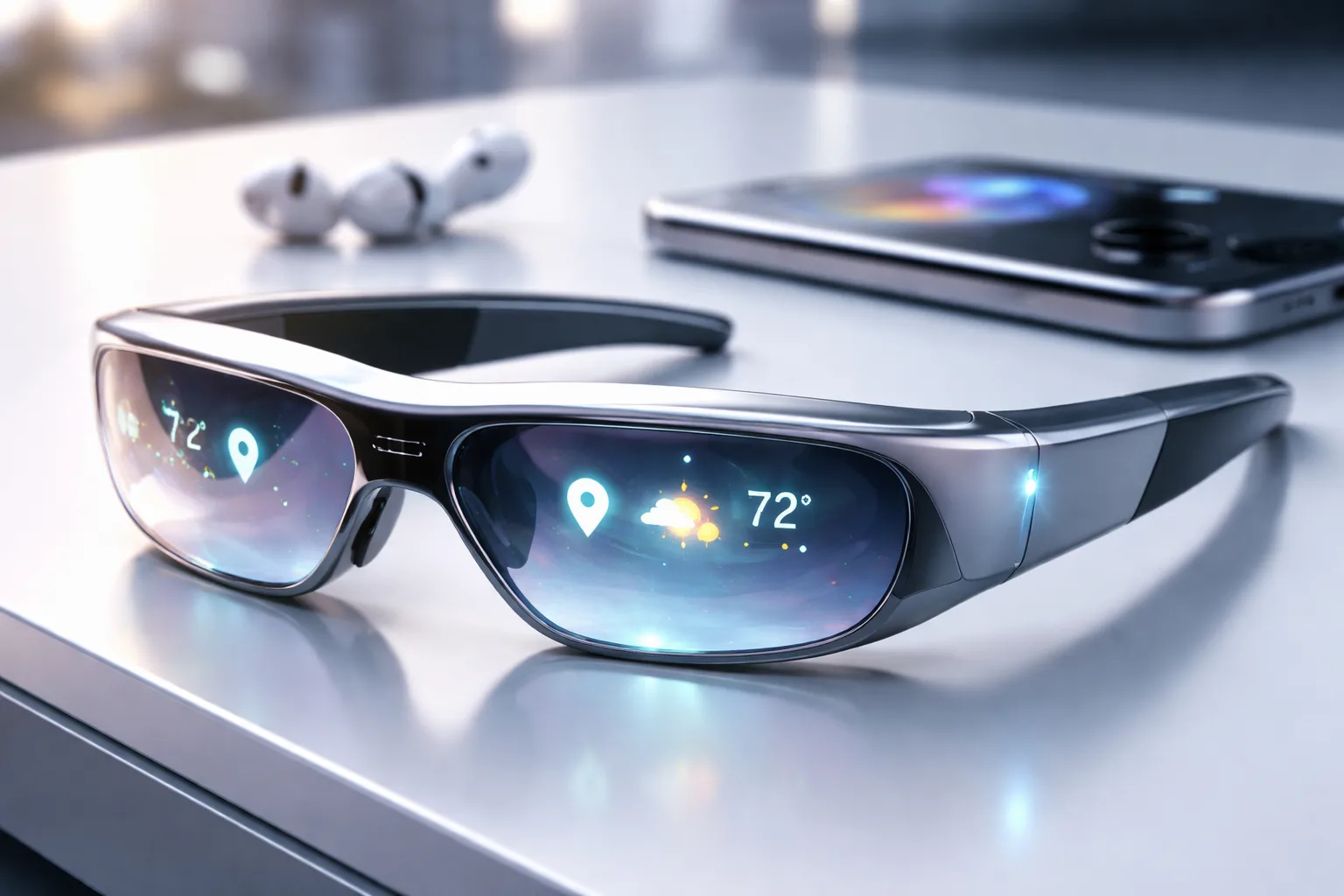
At their core, Apple smart glasses are expected to be a wearable device that overlays digital information onto the real world using augmented reality (AR). Unlike bulky headsets such as the Vision Pro, these glasses are rumored to be lightweight, stylish, and designed for everyday use. The goal is to create a product that feels natural to wear while delivering powerful digital capabilities.
The concept of smart glasses is not new. Companies like Google and Meta have experimented with similar devices in the past, but adoption has been limited due to design constraints, privacy concerns, and lack of compelling use cases. Apple’s entry into this space, however, is expected to address these challenges through a combination of advanced hardware, intuitive software, and a strong developer ecosystem.
What sets Apple apart is its ability to integrate hardware and software seamlessly. Just as the iPhone revolutionized smartphones and the Apple Watch transformed wearables, the company’s smart glasses could redefine how we interact with information. By embedding AR capabilities directly into a familiar form factor, Apple aims to make augmented reality accessible to a broader audience.
Key Features Expected in Apple Smart Glasses
1. Augmented Reality Display
One of the most anticipated features of Apple smart glasses is the AR display system. This technology would allow users to see digital overlays in their field of vision, such as navigation directions, notifications, and contextual information about their surroundings. Unlike traditional screens, the AR display would be integrated into the lenses, creating a more immersive and natural experience.
The display is expected to use advanced microLED or waveguide technology, ensuring clarity, brightness, and energy efficiency. This would enable users to interact with digital content without being distracted from the real world, making it ideal for everyday tasks.
2. Seamless Apple Ecosystem Integration
Apple’s strength has always been its ecosystem, and the smart glasses are expected to be no exception. Users could receive iMessages, answer calls, control music, and access apps directly from their glasses. Integration with devices like the iPhone, Apple Watch, and Mac would ensure a smooth and cohesive user experience.
Imagine walking down the street while your glasses display directions from Apple Maps, or attending a meeting where notes appear discreetly in your line of sight. This level of integration could make Apple smart glasses an indispensable tool for productivity and communication.
3. Voice and Gesture Controls
To maintain a hands-free experience, Apple is likely to incorporate advanced voice recognition and gesture controls. Siri would play a central role, allowing users to perform tasks using simple voice commands. Additionally, subtle hand gestures or touch-sensitive frames could provide alternative ways to interact with the device.
This combination of input methods would make the glasses intuitive and easy to use, even for those who are not tech-savvy. It also aligns with Apple’s focus on accessibility, ensuring that the device can be used by a wide range of users.
4. AI-Powered Contextual Awareness
Artificial intelligence is expected to be a key component of smart glasses technology, enabling the device to understand and respond to the user’s environment. For example, the glasses could identify objects, translate text in real time, or provide information about landmarks.
This level of contextual awareness could transform how users interact with the world around them. Instead of searching for information on a smartphone, users could simply look at something and receive instant insights. This represents a shift toward more intuitive and natural computing experiences.
5. Privacy and Security Features
Privacy has been a major concern with previous smart glasses, particularly those equipped with cameras. Apple is known for its strong stance on user privacy, and the company is expected to implement features that address these concerns. This could include visible indicators when recording is active, as well as strict data encryption protocols.
By prioritizing privacy, Apple could help overcome one of the biggest barriers to adoption and build trust among users. This would be crucial for the widespread acceptance of Apple smart glasses.
Why Apple Smart Glasses Matter in 2026
The timing of Apple’s entry into the smart glasses market is significant. In 2026, several trends are converging to create the perfect environment for this technology to thrive. These include advancements in AR hardware, the rise of AI-powered applications, and increasing consumer demand for more immersive digital experiences.
For Gen Z and younger millennials, who are already accustomed to multitasking across multiple devices, smart glasses offer a more efficient way to stay connected. Instead of constantly checking a phone, users can access information in real time without interrupting their activities. This aligns with the growing demand for convenience and seamless experiences.
Moreover, the potential applications of smart glasses technology extend far beyond personal use. Industries such as healthcare, education, retail, and logistics could benefit from AR-enabled workflows. For example, doctors could access patient data during procedures, students could engage with interactive learning materials, and workers could receive real-time instructions on the job.
Challenges Apple Needs to Overcome
Despite the excitement surrounding Apple smart glasses, there are several challenges that the company must address. One of the biggest hurdles is battery life. AR technology requires significant processing power, which can drain the battery quickly. Apple will need to find a balance between performance and efficiency to ensure that the glasses can be used طوال the day.
Another challenge is design. For smart glasses to gain mainstream adoption, they must look and feel like regular eyewear. Bulky or unconventional designs could deter users, regardless of the device’s capabilities. Apple’s expertise in industrial design will play a crucial role in overcoming this obstacle.
Price is also a key factor. High-end technology often comes with a premium price tag, but widespread adoption will depend on affordability. Apple may need to introduce multiple versions of the glasses to cater to different market segments.
Competition in the Smart Glasses Market
Apple is not the only company exploring smart glasses. Competitors like Meta, Google, and Samsung are also investing heavily in this space. Meta’s Ray-Ban smart glasses have already gained some traction, while Google continues to develop AR technologies behind the scenes.
However, Apple’s advantage lies in its ecosystem and brand loyalty. The company has a history of entering markets later than competitors but dominating them through superior execution. If Apple can deliver a product that meets user expectations, it could quickly become the leader in smart glasses technology.
The Future of Smartphones: Will Smart Glasses Replace Them?
One of the most intriguing questions surrounding Apple smart glasses is whether they could eventually replace smartphones. While it is unlikely that smartphones will disappear entirely in the near future, their role could change significantly.
Smart glasses could take over many everyday tasks, such as checking notifications, navigating, and consuming media. This would reduce the need to interact with a phone constantly. Over time, as the technology improves, smart glasses could become the primary interface for digital interaction.
This shift would represent a major تحول in the way we use technology, moving from handheld devices to wearable computing. It also aligns with the broader trend toward ambient computing, where technology becomes seamlessly integrated into our environment.
Conclusion: A Glimpse Into the Next Era of Technology
The emergence of Apple smart glasses marks a pivotal moment in the evolution of personal technology. By combining augmented reality, artificial intelligence, and seamless ecosystem integration, Apple has the potential to create a device that fundamentally changes how we interact with the digital world.
While there are still many unknowns, the direction is clear. Smart glasses are not just another gadget; they represent the next step in the journey toward more intuitive and immersive computing experiences. For users, this means greater convenience, enhanced productivity, and new ways to engage with information.
As we move further into 2026, all eyes will be on Apple to see how it brings this vision to life. If successful, Apple smart glasses could become as iconic as the iPhone, shaping the future of technology for years to come.
Want more gadget insights?
Explore more articles on smartphones, wearables, flagship launches, AI devices, and the future of consumer tech.

Related Articles
AI Wearables 2026 Are Replacing Smartphones
AI Smart Ring Trends Reshape Premium Gadgets