
TSMC A13 Chip Powers Future Gadget Era
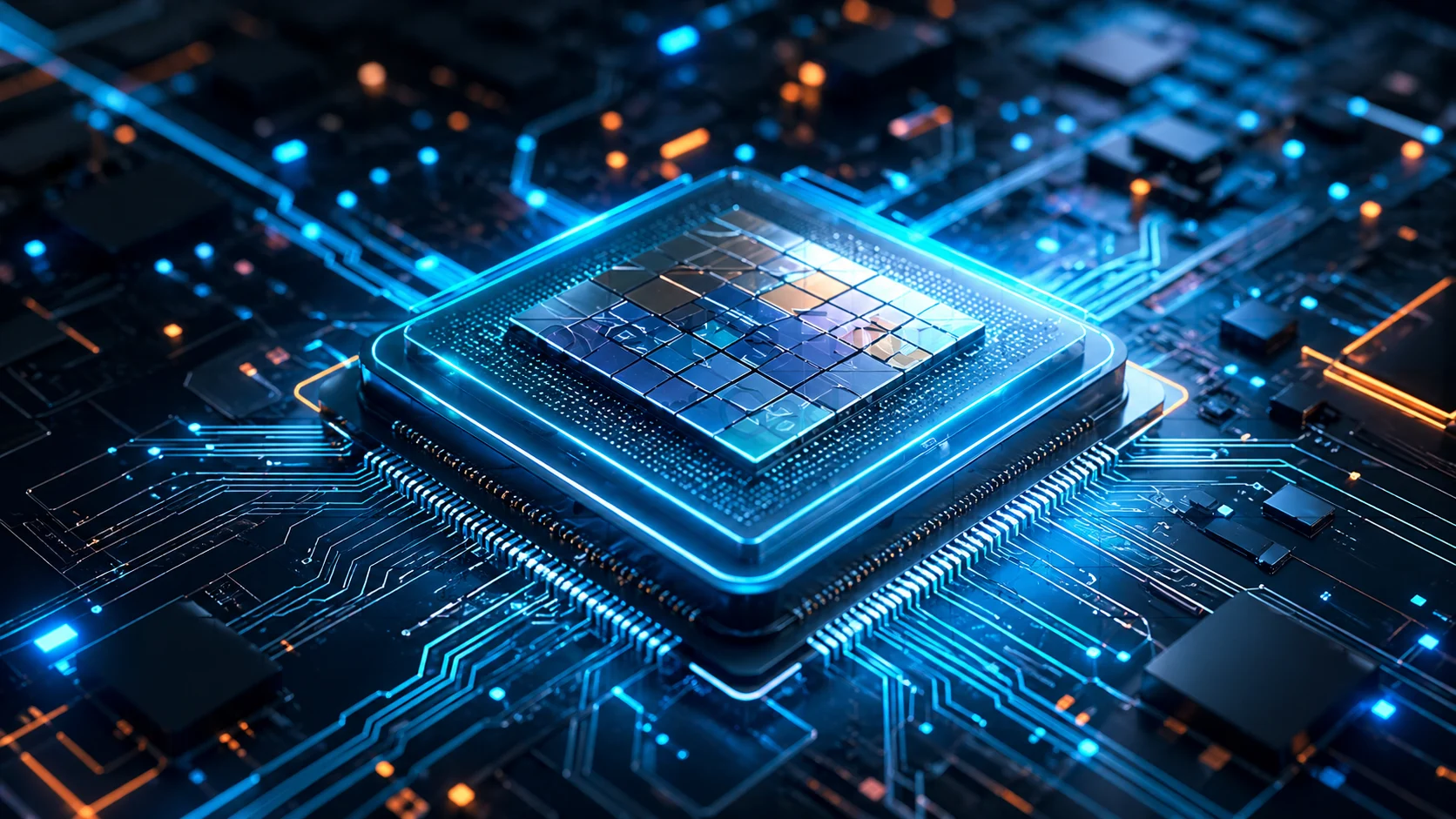
The global technology industry moves fast, but every few years, one breakthrough changes everything. In 2026, one of the biggest names dominating conversations in the semiconductor world is TSMC A13 chip technology. While most users only notice the final product in their hands—smartphones, laptops, smartwatches, AI devices, gaming consoles—the real revolution often starts deep inside a chip fabrication plant. That is exactly why the rise of the A13 chip from TSMC is being watched closely by gadget brands, investors, engineers, and everyday tech fans around the world.
The launch of the TSMC A13 chip signals more than a performance upgrade. It represents the next phase of modern computing where devices become faster, cooler, smarter, and more energy efficient at the same time. For consumers, that means thinner gadgets with longer battery life. For brands, it means the ability to create products that once looked impossible. For the AI industry, it means stronger local processing directly on devices instead of depending only on cloud servers.
This moment matters because chips are now the center of nearly every industry. Smartphones rely on them. Electric vehicles depend on them. Smart homes use them. AI assistants need them. Even wearable health gadgets cannot function without advanced semiconductor design. That is why when TSMC introduces a new-generation node like the A13 chip, the impact stretches far beyond one company.
Today, many analysts believe this could become one of the most important hardware stories of the decade. Here is why the TSMC A13 chip could become the machine behind the future gadget era.
What Is the TSMC A13 Chip?
To understand the hype, it helps to know what TSMC actually does. TSMC, short for Taiwan Semiconductor Manufacturing Company, is the world’s largest chip manufacturer. Unlike consumer brands such as Apple or Samsung that sell products directly to users, TSMC builds advanced chips for many of the world’s top technology companies.
The A13 chip platform refers to TSMC’s next-generation advanced semiconductor process, designed to push computing power further while reducing power consumption. In simple terms, it allows companies to place more transistors into a smaller area, making chips smarter and more efficient.
That sounds technical, but the consumer result is simple:
- Faster smartphones
- Better gaming graphics
- Longer battery life
- Cooler devices with less heat
- Stronger AI performance
- Smarter cameras
- Better multitasking on laptops
- More efficient wearable devices
Every time chip manufacturing gets smaller and smarter, gadget innovation speeds up. That is why the TSMC A13 chip is being viewed as a future-defining platform.
Why the A13 Chip Matters in 2026
The gadget market in 2026 looks very different compared to five years ago. Users now expect more than speed. They want:
- AI features built into devices
- Better battery endurance
- Thin and premium designs
- Strong security
- Instant app response
- High-end gaming performance
- Advanced photography tools
- Sustainable energy efficiency
Older chip architectures struggle to balance all these demands at once. Brands often had to choose between raw power or battery life. The TSMC A13 chip changes that equation.
With more advanced manufacturing, companies can now target both performance and efficiency together. That means flagship devices no longer need giant batteries just to survive a full day. Laptops can stay cool while running heavy creative workloads. Wearables can become more powerful without becoming bulky.
In short, the A13 generation arrives exactly when the market needs it most.
How Future Smartphones Will Benefit
Smartphones remain the biggest battlefield for advanced chips. Every major launch now competes on AI tools, camera quality, gaming power, and battery performance. The TSMC A13 chip can improve all four areas.
1. Better Battery Life
Users are tired of charging twice a day. More efficient chips reduce wasted power, helping devices last longer. A phone powered by next-gen chipsets built on A13 processes could offer major battery gains.
2. Smarter AI Features
Modern phones now use AI for:
- Real-time translation
- Photo editing
- Voice assistants
- Summaries
- Smart search
- Writing tools
Running these tasks directly on-device improves privacy and speed. The A13 chip architecture helps enable that shift.
3. Console-Level Mobile Gaming
Gaming phones and flagship devices need stable frame rates and less overheating. Better chip efficiency means longer gaming sessions without performance drops.
4. Pro Camera Processing
Smartphone cameras are now software-driven. Better chips help with low-light photography, 8K video, live background blur, and instant image enhancement.
For users, that means future phones feel dramatically more premium.
Laptops and Tablets Enter a New Era
The rise of ARM-based computing and AI PCs has changed expectations. Consumers now want lightweight laptops with desktop-class power. The TSMC A13 chip could become one of the engines behind this movement.
Imagine a thin laptop that can:
- Edit 4K video smoothly
- Run AI assistants locally
- Last 18+ hours on battery
- Stay silent without loud fans
- Switch between dozens of apps instantly
That is no longer fantasy. It is where chip design is heading.
Tablet makers also benefit. High-end tablets increasingly compete with laptops. More powerful chips allow advanced drawing tools, multitasking windows, creator software, and gaming experiences once limited to PCs.
Wearables Become Smarter Than Ever
The smartwatch market has matured, but users now want more than step counting. They want:
- Better health tracking
- AI coaching
- Longer battery life
- Faster apps
- Better sensors
- Seamless connectivity
Advanced semiconductor design is the only path forward. The TSMC A13 chip ecosystem could help wearable brands deliver stronger devices without sacrificing size.
Future smart glasses may also rely on chip advancements like this. Lightweight AI-powered glasses need efficient processors because battery size is extremely limited. That makes advanced nodes essential.
Why AI Needs Better Chips
AI is one of the biggest reasons semiconductor competition has become intense. Whether it is ChatGPT-like assistants, smart search, image generation, or voice interfaces, all AI tools need computing power.
There are two ways AI can run:
- In the cloud using remote servers
- Locally on your device
Cloud AI is powerful but slower and less private. Local AI is faster and safer but requires strong hardware. That is where the TSMC A13 chip becomes critical.
Future gadgets may process:
- Personal summaries
- Live meeting notes
- Smart replies
- Instant translation
- AI photo cleanup
- Voice cloning protection
- Offline assistants
All of this depends on faster, more efficient chips.
Why TSMC Dominates the Chip Race
Many companies design chips. Fewer can manufacture them at the highest level. TSMC leads because it combines:
- Massive production scale
- Advanced fabrication technology
- Reliable yields
- Global customer trust
- Continuous innovation
Some of the biggest names in tech rely on TSMC manufacturing. That means when TSMC launches a new process like A13 chip technology, the entire gadget world watches closely.
From phones to AI accelerators, TSMC often sits behind the scenes powering the products consumers love.
Impact on Major Gadget Brands
Although exact future products depend on each company roadmap, many leading brands may benefit from A13-class manufacturing.
Apple
Known for pushing chip efficiency, Apple could use future nodes to create faster iPhones, Macs, and wearables.
Qualcomm
Android flagships rely heavily on Qualcomm chips. Better manufacturing means stronger Snapdragon performance.
MediaTek
MediaTek continues growing globally. Access to better fabrication can help flagship competitiveness.
NVIDIA and AI Brands
Even non-phone sectors like AI devices, robotics, and edge computing need advanced chips.
That means the TSMC A13 chip has influence across nearly every gadget category.
Consumer Benefits You Will Actually Notice
Sometimes chip launches sound exciting only to engineers. But this one directly affects users. Here is what average consumers may feel in upcoming devices:
- Apps open instantly
- Less device heating
- Longer battery life
- Better photo quality
- Smoother gaming
- Faster AI tools
- Better multitasking
- Longer product lifespan
Those are meaningful daily improvements.
The Global Supply Chain Effect
Semiconductors are now tied to geopolitics, economics, and supply chains. A successful new chip generation can influence:
- Smartphone release cycles
- Laptop inventories
- Gadget pricing
- Factory demand
- Investor confidence
- National tech strategy
Because TSMC sits at the center of global production, the success of the A13 chip may shape broader markets beyond consumer electronics.
Can It Reduce Gadget Prices?
This is the complicated part. Better chips do not always mean cheaper devices. Premium brands may keep prices high while adding new features.
However, over time, improved efficiency and production scale can lower costs for mid-range devices too. That means technologies first seen in expensive flagships often reach mainstream gadgets later.
So while the first wave may target premium buyers, wider benefits usually follow.
Challenges Ahead
Even exciting chip breakthroughs face obstacles.
1. High Manufacturing Costs
Advanced fabrication is expensive. Building cutting-edge plants costs billions.
2. Yield Complexity
Smaller processes are harder to perfect. Early production issues can delay launches.
3. Global Demand Pressure
If multiple tech giants need the same node at once, supply becomes tight.
4. Fast Competition
Samsung Foundry, Intel, and other players continue investing aggressively.
Still, TSMC has repeatedly shown it can navigate these challenges.
Why Gen Z Should Care
Younger consumers often drive gadget trends first. They care about speed, camera quality, portability, gaming, and creator tools. The TSMC A13 chip supports all of that.
For Gen Z users, future devices powered by this technology may improve:
- Content creation on mobile
- Livestream quality
- AI editing tools
- Battery during travel
- Gaming performance
- Faster social media workflows
- Better hybrid work setups
That makes chip innovation more personal than many realize.
The Future Gadget Categories This Could Unlock
The next generation of chips may power devices not yet mainstream today:
- AI pins and wearable assistants
- Smart glasses with translation
- Foldables with laptop power
- Portable gaming PCs with all-day battery
- Home robots
- Always-on creator tablets
- Ultra-thin AI laptops
Without efficient processors, these categories struggle. With better chips, they become realistic.
What Happens Next
Over the next 12 to 24 months, expect major brands to reveal products using technology built on TSMC’s latest processes. Marketing campaigns may focus on AI, battery life, cameras, or gaming—but the real hero inside will often be the chip.
Consumers may not always know the manufacturing node name, but they will feel the results.
That is how semiconductor innovation works. Invisible engineering creates visible lifestyle upgrades.
Final Verdict
The TSMC A13 chip is more than another hardware headline. It represents the foundation of the next gadget generation. Faster phones, smarter AI laptops, better wearables, stronger gaming handhelds, and more efficient future devices all depend on breakthroughs like this.
In 2026, the competition for user attention is fierce. Brands need products that feel genuinely new, not just slightly upgraded. Advanced chips make that possible.
If previous years were about bigger screens and better cameras, the next era is about intelligence, efficiency, and seamless performance. The TSMC A13 chip could be one of the most important engines driving that shift.
The future gadget era is not coming later. It is already starting now.
Want more gadget insights?
Explore more articles on smartphones, wearables, flagship launches, AI devices, and the future of consumer tech.

Related Articles
AI Wearables 2026 Are Replacing Smartphones

AI Smart Ring Trends Reshape Premium Gadgets