AI Smart Ring Trends Reshape Premium Gadgets
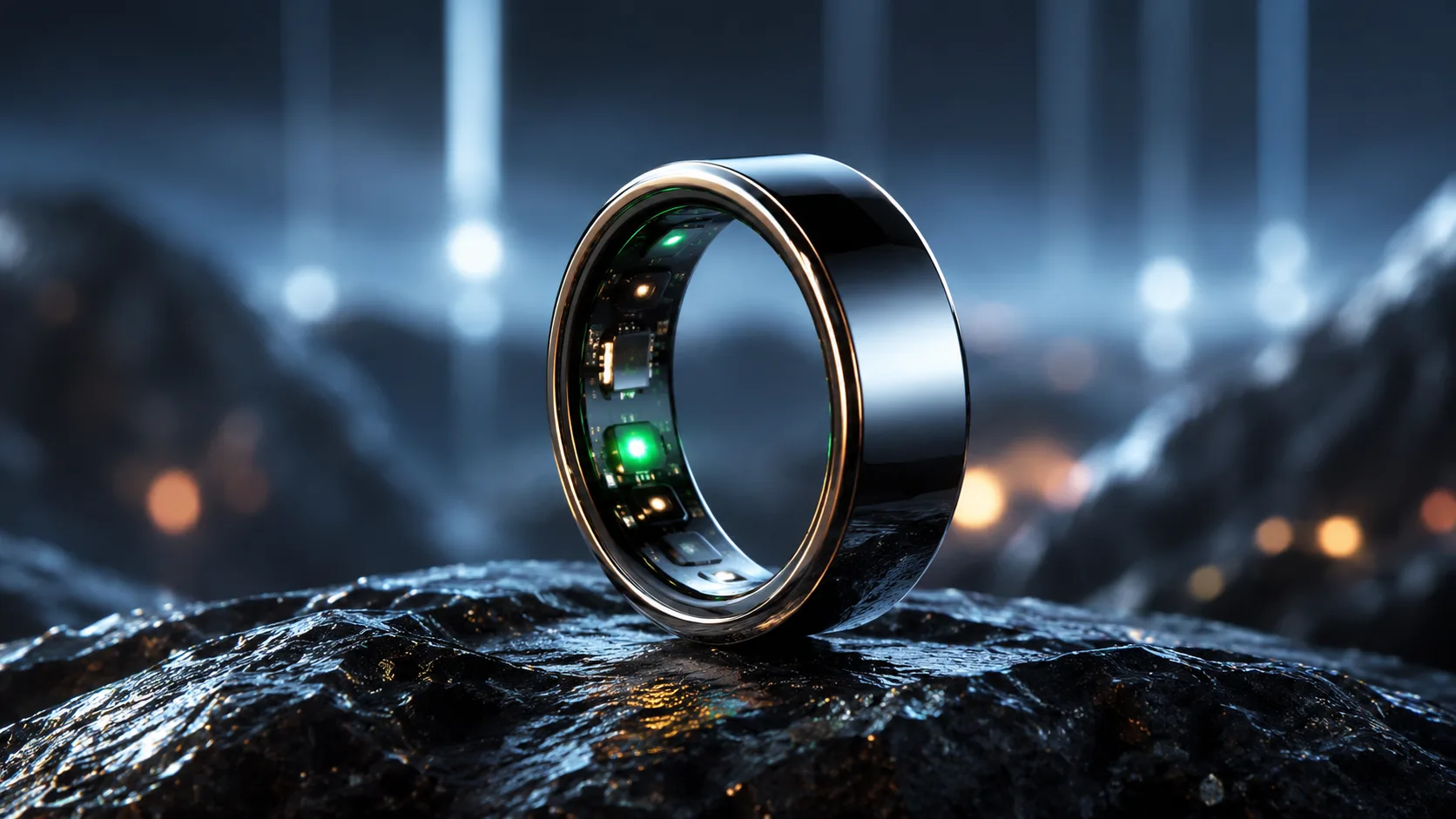
The premium gadget industry has always moved fast, but lately the pace feels almost unreal. One year everyone is obsessed with foldable phones, then suddenly AI laptops dominate headlines, and now a much smaller device is quietly stealing attention from the entire wearable market. The rise of the AI smart ring is becoming one of the biggest shifts in personal technology, especially among users who want powerful features without carrying another large device on their wrist or in their pocket. What started as a niche health accessory has now evolved into a premium lifestyle product connected to artificial intelligence, wellness tracking, productivity systems, and even digital identity. Across tech communities, fashion circles, and startup ecosystems, people are beginning to see smart rings as the next evolution of wearable technology rather than just another gadget trend.
The interesting part is how quickly consumer behavior has changed around wearables. A few years ago, smartwatches were considered the peak of modern tech fashion, but many users slowly became tired of constant notifications, oversized displays, and battery anxiety. The modern audience now wants technology that feels invisible, lightweight, and deeply integrated into daily life. That demand created the perfect moment for the AI smart ring market to explode into premium territory. Companies are no longer marketing smart rings as simple fitness trackers because the devices now offer sleep intelligence, stress analysis, body recovery monitoring, gesture controls, and AI-powered health insights that feel surprisingly futuristic.
Another reason this category is gaining momentum is because younger consumers no longer separate fashion from technology. Gen Z and modern professionals want devices that look elegant while still delivering advanced features behind the scenes. A smart ring fits naturally into that lifestyle because it blends into daily fashion instead of screaming for attention like many smartwatches do. The design language feels more mature, minimalist, and luxurious, which makes premium users more comfortable wearing the device everywhere from business meetings to gyms and social events. In many ways, the premium wearable technology market is shifting from visible gadgets toward subtle intelligence.
The Rise of AI Smart Rings in Modern Tech
The wearable industry has entered a completely different era compared to the early smartwatch boom. Back then, companies focused heavily on putting smartphone features onto wrists, but now the direction is more about predictive intelligence and passive data collection. The AI smart ring represents this transition perfectly because it gathers biometric information quietly throughout the day without constantly interrupting the user experience. Instead of acting like a mini phone, the ring acts more like a personal AI assistant that understands body patterns and lifestyle behavior. That subtle difference is changing how people interact with technology entirely.
One of the biggest reasons consumers are becoming interested in smart rings is comfort. Many users stopped wearing smartwatches while sleeping because the devices felt bulky or distracting overnight. Smart rings solve that issue by remaining lightweight while still tracking sleep cycles, heart rate variability, recovery data, oxygen levels, and stress patterns. Over time, AI systems analyze this information to create highly personalized insights about the user’s physical condition and mental state. That level of personalization is what pushes the product into the premium category because people increasingly value data-driven wellness guidance.
The market itself is also becoming more competitive. Several major tech companies and luxury startups are entering the smart ring segment because they see enormous potential in AI-powered wearables. The combination of artificial intelligence and biometric tracking creates opportunities far beyond fitness monitoring. Some brands are already exploring payment authentication, smart home control, gesture navigation, and digital identity integration. This means the future of smart rings may involve replacing multiple devices and security systems with a single wearable accessory.
Another factor driving the trend is social influence from creators, athletes, entrepreneurs, and wellness communities. Smart rings are increasingly appearing in productivity videos, fitness discussions, and luxury gadget reviews because they align with modern digital lifestyles. Unlike flashy gadgets that demand constant attention, smart rings feel more exclusive and intentional. Users often describe them as “quiet luxury tech,” which perfectly matches the broader trend toward minimalist premium products.
Why Premium Consumers Prefer Smart Rings
Luxury gadget buyers have changed dramatically over the past few years. Expensive products alone are no longer enough because users now expect meaningful functionality alongside premium aesthetics. The AI smart ring market succeeds because it combines both elements naturally. The devices look elegant and understated while delivering advanced AI-powered features behind the scenes. This combination creates a sense of sophistication that appeals strongly to premium audiences.
Many users are also becoming more health-conscious after years of digital burnout and stressful work environments. People want wearable technology that helps improve sleep quality, recovery, focus, and stress management without creating more distractions. Smart rings achieve this balance surprisingly well because they collect information passively rather than demanding constant interaction. Instead of flooding users with notifications every minute, they provide deeper long-term insights about overall wellness patterns. That calmer experience feels more premium compared to traditional wearable ecosystems.
There is also a growing psychological shift happening among technology users. People increasingly want gadgets that integrate smoothly into real life rather than dominating attention spans. Smart rings support this mindset because they remain almost invisible during daily activities. Users can wear them during meetings, workouts, dinners, travel, and sleep without feeling overwhelmed by technology. The result is a product category that feels more human-centered than many older wearable devices.
Fashion also plays a massive role in this transformation. Smartwatches often look sporty or overtly technical, which limits their versatility in formal settings. Smart rings, however, blend naturally with jewelry and modern fashion aesthetics. Premium consumers appreciate this flexibility because they can wear the device with luxury outfits, business attire, or casual streetwear without compromising style. The wearable becomes part of personal identity instead of just another gadget attached to the body.
How Artificial Intelligence Changes Wearables
Artificial intelligence is the core reason smart rings are evolving beyond ordinary health trackers. Without AI, these devices would simply collect data without offering meaningful interpretation. Modern AI systems transform raw biometric information into personalized recommendations that feel much more valuable to users. This creates an experience where the device acts less like a sensor and more like a digital wellness companion. That shift is fundamentally changing expectations across the entire wearable industry.
The most advanced AI smart ring systems can identify subtle body trends that users would never notice on their own. For example, the ring may detect stress accumulation before the user consciously feels exhausted. It can also recognize changes in sleep quality, recovery performance, and physical readiness based on long-term behavioral patterns. Over time, the AI becomes increasingly accurate because it continuously learns from the user’s routines and lifestyle habits. This creates a highly personalized ecosystem that feels unique for every individual.
Another major advantage of AI integration is predictive health monitoring. Instead of simply reporting yesterday’s statistics, smart rings can begin forecasting potential wellness issues before they become serious. Users may receive recommendations to rest more, improve hydration, reduce workload intensity, or adjust sleep schedules based on AI analysis. That proactive approach makes wearable technology feel genuinely useful rather than gimmicky. In premium markets, usefulness combined with personalization is often what separates luxury innovation from temporary trends.
AI also improves user convenience through automation and contextual awareness. Future smart rings may automatically adjust smart home environments, authenticate digital payments, unlock devices, or control interfaces through subtle finger gestures. The wearable becomes part of a broader intelligent ecosystem rather than existing as a standalone accessory. As artificial intelligence becomes more powerful, the capabilities of smart rings will likely expand into areas that currently seem futuristic.
The Connection Between Wellness and Luxury Tech
The modern luxury market is no longer centered only around status symbols. Consumers increasingly associate luxury with wellness, balance, productivity, and quality of life. This cultural shift explains why the premium wearable technology sector is growing so quickly. People are investing in devices that help them feel healthier, more focused, and more emotionally stable rather than simply showing off expensive hardware.
Smart rings fit perfectly into this movement because they emphasize personal optimization without appearing overly medical or technical. The design remains stylish while the functionality focuses heavily on health intelligence. This combination creates emotional value that many other gadgets struggle to achieve. Users often feel that their smart ring understands them better over time, which creates a deeper connection between person and device.
Sleep tracking has become one of the strongest selling points in this category. Modern lifestyles are filled with irregular schedules, stress, endless screen time, and productivity pressure. As a result, many people are actively searching for better ways to improve rest and recovery. AI-powered smart rings analyze sleep stages, body temperature, heart rate variability, and nighttime movement to generate highly detailed wellness insights. The information feels actionable rather than generic, which increases user trust in the technology.
Athletes and high-performance professionals are also helping push the trend forward. Many successful individuals now publicly discuss recovery optimization, stress management, and sleep quality as critical parts of performance. Smart rings naturally fit into these conversations because they provide measurable health intelligence in a compact format. Over time, this association with elite productivity and wellness further strengthens the premium image of the category.
Smart Rings and the Future of Digital Identity
Beyond wellness tracking, smart rings may eventually become central to digital identity systems. This possibility is one reason technology companies are investing heavily in the segment despite its relatively young market size. The ring’s constant physical connection to the user makes it an ideal device for authentication and personalized AI services. Unlike smartphones that can be lost or shared, a wearable ring stays closely connected to its owner throughout the day.
Future versions of the AI smart ring may replace passwords, keycards, and even traditional payment methods. Gesture-based authentication and biometric identity systems could allow users to unlock vehicles, enter offices, authorize transactions, or access digital platforms seamlessly. Because the device continuously collects biometric information, it can potentially verify identity more securely than many existing systems. This creates huge opportunities across finance, security, transportation, and smart home industries.
There is also growing discussion around mixed reality and spatial computing integration. As augmented reality glasses and immersive digital environments become more common, smart rings may act as intuitive controllers for navigation and interaction. Instead of carrying multiple devices, users could rely on subtle hand gestures powered by AI recognition systems. This would make the wearable ecosystem feel more natural and less dependent on screens.
The idea sounds futuristic today, but many technological shifts initially seemed unrealistic before becoming normal parts of everyday life. Smartphones themselves once felt unnecessary to many consumers, yet they eventually transformed modern society completely. Smart rings may follow a similar path over the next decade as AI ecosystems continue evolving.
Challenges Facing the AI Smart Ring Market
Despite the excitement surrounding the industry, the AI smart ring market still faces several important challenges. Battery life remains one of the biggest technical obstacles because companies must balance compact designs with advanced processing capabilities. Users expect premium wearables to last multiple days without charging, especially since the devices are meant for continuous health monitoring. Achieving that balance inside a tiny ring-sized device is far more complicated than designing larger wearables.
Privacy concerns are also becoming increasingly important. Smart rings collect deeply personal biometric information, including sleep habits, stress patterns, heart activity, and physical recovery data. Consumers are starting to ask serious questions about how this information is stored, analyzed, and shared. Premium brands must build strong trust with users because health-related AI systems depend heavily on long-term personal data collection.
Pricing is another challenge for market expansion. Many advanced smart rings currently exist in the premium segment, which limits accessibility for mainstream consumers. While wealthy tech enthusiasts may embrace the devices quickly, broader adoption will require more affordable models without sacrificing quality or AI capabilities. Companies must carefully balance luxury positioning with scalability if they want long-term market success.
There is also the challenge of maintaining long-term engagement. Many wearable devices initially excite users but eventually end up forgotten in drawers after novelty fades. Smart ring companies need to ensure their AI ecosystems continue delivering meaningful value over time rather than repetitive statistics. Continuous software innovation will likely become just as important as hardware improvements in the future.
Why the Trend Is Likely Here to Stay
Some gadget trends disappear almost as quickly as they appear, but smart rings feel different because they align with multiple long-term shifts happening simultaneously. The growth of artificial intelligence, health optimization culture, minimalist design preferences, and wearable ecosystems all support the category’s expansion. Rather than relying on hype alone, the AI smart ring market addresses real consumer desires around convenience, wellness, and personalization.
Technology itself is also moving toward smaller and more integrated experiences. Consumers no longer want giant devices for every task because convenience and subtlety matter more than ever. Smart rings represent a future where technology becomes deeply embedded into daily life without constantly demanding attention. That direction feels consistent with broader digital evolution trends across the entire industry.
The premium gadget market especially benefits from products that combine emotional appeal with functional intelligence. Smart rings succeed because they feel futuristic while still remaining practical. Users can genuinely improve sleep quality, monitor stress, optimize recovery, and potentially simplify digital interactions through a single compact wearable. Few modern gadgets currently deliver that combination as effectively.
The category will likely evolve dramatically over the next several years. Better AI systems, stronger batteries, improved biometric sensors, and expanded ecosystem integration will make smart rings even more capable. As more consumers experience the convenience of passive wearable intelligence, adoption could accelerate far beyond current expectations.
Conclusion
The rise of the AI smart ring signals a major transformation inside the premium gadget industry. What once looked like a niche wearable experiment is now evolving into one of the most promising directions in consumer technology. Smart rings combine artificial intelligence, wellness tracking, minimalist design, and luxury aesthetics into a product that feels highly relevant to modern lifestyles. Instead of competing directly with smartphones or smartwatches, they create an entirely new category focused on subtle intelligence and seamless integration.
The trend also reflects deeper cultural changes around technology consumption. People increasingly want gadgets that improve life quietly rather than constantly demanding attention. AI-powered smart rings fit perfectly into that mindset because they operate in the background while still providing valuable insights and personalized experiences. This balance between functionality and simplicity is becoming increasingly important in premium tech markets.
As artificial intelligence continues advancing, the role of smart rings will likely expand beyond health tracking into digital identity, automation, security, and spatial computing. The devices may eventually become central components of everyday digital ecosystems. While challenges around privacy, pricing, and battery life still exist, the momentum behind the category continues growing rapidly across global markets.
For now, one thing is becoming increasingly clear. The future of wearable technology may not sit on the wrist anymore. It might already be wrapped around a finger.
Want more gadget insights?
Explore more articles on smartphones, wearables, flagship launches, AI devices, and the future of consumer tech.

Related Articles
AI Wearables 2026 Are Replacing Smartphones
AI Cybersecurity Becomes Gadget Essential in 2026