
Android XR Glasses Are Ready to Heat Up Gadgets
 Vortixel
19 minutes read
Vortixel
19 minutes read
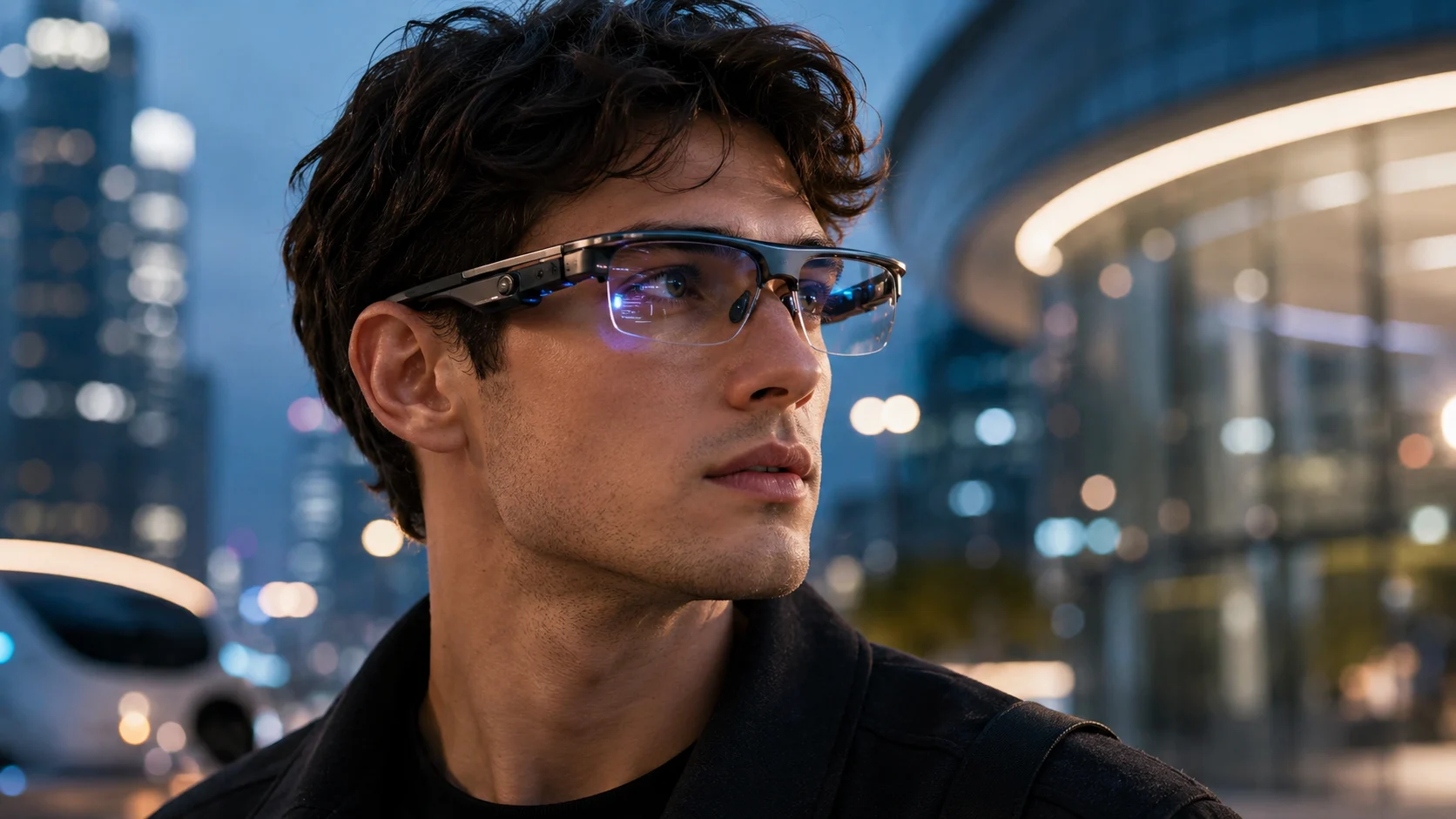
Android XR glasses are no longer just a futuristic demo hiding behind a trade show curtain. They are starting to look like the next serious battleground in consumer gadgets, where phones, wearables, AI assistants, and spatial computing all crash into one small frame you can wear on your face. For years, smart glasses felt like an awkward promise that arrived too early, asked too much from users, and never quite explained why anyone needed them beyond taking photos or looking cool in a keynote. Now the conversation feels different because the device is not only about hardware anymore, but about what happens when a hands-free AI layer sits close to your eyes, ears, voice, daily apps, and real-world surroundings. That shift is why Android XR glasses could become one of the most important gadget stories of 2026, especially as Google, Samsung, Xreal, Warby Parker, Gentle Monster, and other players try to turn smart eyewear into something people actually want to wear.
The timing matters because the gadget market has been hungry for a new form factor that feels bigger than another slightly faster smartphone or another smartwatch with a brighter screen. Phones are still the center of digital life, but the upgrade cycle has become more predictable, and consumers are harder to impress with marginal camera improvements or thinner bezels. Smart glasses offer a more dramatic question: what if the next interface does not live in your hand at all, but floats quietly in front of you, listens when needed, and understands the context of what you are seeing? That question has been asked before, but AI has changed the answer because glasses can now be pitched as a companion, translator, navigation tool, camera, productivity layer, and personal search engine in one. For Gadget Vortixel readers, this is not just another wearable launch cycle; it is a signal that the next wave of consumer tech may be moving from pockets and wrists to faces.
Why Android XR Glasses Feel Different This Time
The first reason Android XR glasses feel different is that they are arriving inside a much stronger ecosystem than earlier smart eyewear attempts. Android is already familiar to billions of users, developers, accessory makers, phone brands, and app companies, which gives XR glasses a potential runway that older isolated hardware projects never really had. Instead of asking developers to build for a strange new platform from scratch, Android XR can lean on tools, services, and user habits that already exist across mobile, apps, cloud services, payments, maps, photos, productivity tools, and entertainment. That does not automatically guarantee success, but it lowers the friction for everyone involved, especially if hardware partners can build devices that look normal enough for daily use. In gadget history, the winning platform is rarely just the one with the flashiest prototype; it is the one that makes developers, brands, and users feel like joining the ecosystem is worth the effort.
The second reason is that Google is no longer framing smart glasses as only a tiny screen on your face. The bigger pitch is AI in context, powered by a voice-first assistant that can answer questions, process visual information, give directions, summarize tasks, and help users interact with the world without constantly pulling out a phone. This matters because glasses are not a good place for complicated menus, endless taps, or heavy app switching. They work best when the interface is light, fast, and almost invisible, which is exactly where multimodal AI has the best chance to shine. If the user can simply look at a street sign, ask for translation, hear a response, and keep walking, the gadget begins to feel less like a toy and more like a useful layer over real life.
The third reason is style, and style is not a shallow detail when the device sits directly on someone’s face. Earlier smart glasses often looked too technical, too experimental, or too socially awkward, which made them difficult to imagine outside conferences, labs, and enthusiast circles. Partnerships with eyewear-focused brands can help solve one of the hardest problems in wearable tech: making advanced hardware feel like an accessory instead of a warning label. People may accept a bulky headset at home, but they will not wear strange glasses all day unless the design fits their identity, outfit, comfort, and social environment. This is where Android XR’s future may depend as much on fashion logic as silicon performance, because the best AI glasses will still fail if people feel weird wearing them in public.
The Gadget Market Is Ready for a New Screen
The modern gadget market has been built around screens, but most screens now compete for the same few seconds of attention. Smartphones own the hand, laptops own the desk, tablets own the couch, smartwatches own quick glances, and TVs own shared entertainment. Android XR glasses introduce a different kind of screen because they do not need to sit in a room, rest on a surface, or demand that users stop what they are doing. They can become a glanceable layer that appears only when useful, which makes them especially interesting for navigation, translation, notifications, visual search, photography, calls, and lightweight productivity. That idea is powerful because the next big gadget category may not be about having a bigger screen, but about placing information closer to the moment when people actually need it.
For smartphone brands, Android XR is both an opportunity and a warning. It gives Android partners a chance to build a new accessory category that can extend the phone ecosystem, increase user loyalty, and create premium bundles around AI, cloud services, and spatial apps. At the same time, it challenges the idea that the phone will always be the first device users reach for when they need quick information. If smart glasses become good enough, users may ask the glasses for directions instead of opening Maps, dictate replies instead of typing, translate signs without launching an app, and capture quick memories without pulling out a camera. The phone will not disappear, but its role could slowly shift from constant interface to powerful hub, while glasses become the faster front door to everyday digital tasks.
This is also why the category feels bigger than a simple wearable trend. Smartwatches proved that people will adopt a new companion device when it solves small daily problems better than a phone, such as checking alerts, tracking health, making quick payments, and managing fitness. Glasses could follow a similar path, but with richer context because they can see what the user sees and hear what the user asks. That creates a more personal relationship between device and environment, which can make the gadget feel surprisingly practical if handled carefully. The challenge is that glasses also carry more social and privacy pressure than watches, so the market will demand clearer signals, better controls, and stronger trust before mainstream adoption really takes off.
AI Is the Real Engine Behind the Hype
The hype around Android XR glasses is not only about lenses, cameras, microphones, processors, or display panels. The deeper story is that AI has finally given smart eyewear a reason to exist beyond novelty. A camera on glasses can feel unnecessary if it only takes photos, but it becomes more compelling when it can understand objects, read text, provide context, remember details, translate language, identify landmarks, and help users complete tasks hands-free. A tiny speaker can feel ordinary if it only plays music, but it becomes more useful when it can deliver smart responses at the exact moment users need them. In other words, AI turns glasses from a passive accessory into an active interface, and that shift could define the next generation of wearables.
This matters because Gen Z and younger tech users are already moving toward faster, more conversational ways of getting information. They are used to voice notes, short-form video, visual search, camera-first apps, and AI tools that answer questions without forcing them through long menus. Smart glasses fit that behavior if they can make technology feel more immediate and less interruptive. Instead of stopping to search, users could ask while walking, shopping, studying, traveling, cooking, creating content, or fixing something around the house. That kind of always-available help sounds small at first, but small habits are exactly how new gadget categories become normal.
Still, the AI experience has to be genuinely reliable, or the entire category could become frustrating fast. If the glasses misunderstand voice commands in noisy streets, misread what the user is looking at, provide slow answers, or drain battery too quickly, the magic disappears. Users will forgive early limitations in enthusiast devices, but mainstream buyers expect polished experiences, especially when the product is worn in public. This is where Google’s software advantage could matter, because the company already has deep experience in search, maps, translation, photos, Android, cloud services, and AI assistants. The real test will be whether all those strengths can come together in a wearable interface that feels natural rather than crowded.
Design Will Decide Who Actually Wears Them
Every major gadget category has a design moment where the product stops looking like a prototype and starts looking like something people can imagine owning. For Android XR glasses, that moment is absolutely critical because eyewear is personal in a way phones and laptops are not. A phone can be hidden in a case, a laptop can sit on a desk, and earbuds can disappear into the ear, but glasses shape the face and become part of someone’s daily appearance. That means weight, frame shape, lens tint, comfort, fit, prescription support, battery placement, heat, and camera visibility are not minor technical notes. They are adoption barriers that will decide whether smart glasses become a mainstream gadget or remain a niche enthusiast device.
This is why eyewear partners matter so much in the Android XR story. Warby Parker and Gentle Monster represent two different but important design languages: one more accessible and everyday, the other more fashion-forward and expressive. Samsung brings consumer electronics scale and display expertise, while Xreal brings experience with XR glasses built for immersive screens and spatial computing. Together, these partners suggest that Android XR will not be one single product with one single audience. It could become a layered ecosystem, with lightweight AI glasses for daily use, display glasses for navigation and productivity, and more advanced XR models for entertainment, work, or developer experimentation.
The smartest strategy may be to avoid pretending that one pair of glasses can serve everyone. Some users will want stylish audio-first glasses that look normal and handle voice assistant tasks, calls, and quick captures. Others will want in-lens displays that show directions, translations, captions, reminders, and lightweight visual information. Enthusiasts may want wider field-of-view XR glasses that connect to a phone or compute puck for gaming, virtual screens, spatial apps, and creative workflows. If Android XR supports all of these without fragmenting too badly, Google and its partners could build a category that grows from multiple entry points instead of betting everything on one perfect device.
What Android XR Could Mean for App Developers
For developers, Android XR glasses could open a fresh design challenge after years of mobile-first thinking. App experiences on glasses cannot simply copy smartphone layouts because users will not want floating clutter blocking their real-world view. The best apps will likely be lightweight, contextual, glanceable, and voice-friendly, with interactions designed around what users are doing in the moment. Navigation apps could become more subtle, fitness apps could provide live posture or route feedback, learning apps could explain objects or places in real time, and creator tools could help capture scenes with less friction. This creates room for a new generation of apps that feel less like traditional software and more like situational assistance.
The Android ecosystem gives this shift a practical advantage because developers already understand Android distribution, permissions, services, and monetization models. If Google makes Android XR development approachable, app makers may treat glasses as an extension of existing products rather than a completely separate gamble. A travel app could add live translation and landmark context, a shopping app could compare products through visual search, and a productivity app could surface meeting notes during a call. The category will become more valuable when everyday apps find small but meaningful ways to work on glasses. That is also why early developer enthusiasm matters, because hardware alone cannot carry a platform if the software layer feels empty.
There is also a business opportunity for websites, publishers, and content platforms. As AI glasses change how people search and consume information, content may need to become more structured, direct, and useful in smaller moments. A user wearing glasses may not read a long article while walking, but they might ask for a quick explanation, a product comparison, a local recommendation, or a summary of a topic before going deeper later on a phone or laptop. That means gadget websites and SEO-focused publishers should watch how XR search experiences evolve, especially as AI assistants become a layer between users and traditional search results. For a tech publication like gadget trends coverage, Android XR is not only a product story; it is a preview of how discovery itself may change.
The Privacy Question Will Not Go Away
No serious conversation about Android XR glasses can ignore privacy, because the category puts cameras and microphones in a socially sensitive place. People already feel cautious about being recorded in public, and glasses make that concern more personal because the camera sits near eye level. Even if the device is designed for helpful AI tasks rather than constant recording, bystanders may not know when it is active, what it is capturing, or how the data is processed. This means visible recording indicators, strong permissions, clear controls, and transparent data policies will be essential. Without trust, even the most advanced smart glasses can become socially uncomfortable, and social discomfort is a brutal enemy for wearable gadgets.
Google and its partners will also need to explain what happens on-device, what goes to the cloud, and how users can manage sensitive information. AI glasses may process faces, signs, documents, rooms, conversations, objects, and locations, which makes responsible data handling more important than ever. Consumers will want convenience, but they will also want confidence that their glasses are not quietly building a creepy record of everything around them. Regulators may also pay closer attention as AI wearables become more capable, especially in schools, workplaces, airports, stores, and public spaces. The companies that handle this clearly from the start will have an advantage over rivals that treat privacy as a footnote.
There is also the issue of social etiquette, which technology companies cannot solve with settings alone. Users will need to learn when smart glasses are appropriate, when cameras should be disabled, and how to signal respect in shared spaces. This happened with smartphones, earbuds, and smartwatches, but glasses raise the stakes because they face outward and can feel more intrusive. A successful Android XR ecosystem will need not only strong hardware and software, but a new set of cultural norms. If the industry gets that balance right, smart glasses can feel helpful; if it gets it wrong, they can feel like surveillance with better branding.
Practical Uses That Could Make People Care
The best argument for Android XR glasses is not that they are futuristic, but that they could solve everyday problems in quiet ways. Imagine walking through a new city and getting directions in your field of view without holding a phone in one hand. Imagine reading a menu in another language and hearing a quick translation without opening an app. Imagine assembling furniture, cooking a new recipe, checking a repair step, or learning about a museum exhibit while keeping both hands free. These are not sci-fi fantasies anymore; they are practical use cases that become more believable when AI, cameras, speakers, and displays work together inside a wearable frame.
For students and professionals, glasses could become a subtle productivity tool if the experience stays focused. They might show reminders before a meeting, summarize a message thread, display captions during a conversation, help record quick notes, or provide context while researching a topic. For creators, smart glasses could make first-person capture easier without turning every moment into a phone-shot video. For travelers, the combination of translation, navigation, local search, and visual assistance could be genuinely useful. The key is restraint, because the best smart glasses should reduce friction rather than flood users with notifications.
Accessibility may become one of the strongest real-world benefits of Android XR. Glasses with AI vision and audio feedback could help users interpret signs, identify objects, read text aloud, provide navigation support, or improve communication through captions and translation. These features would need careful design and reliability, but the potential impact is significant because wearable AI can meet users in the moment instead of waiting for them to open an app. Apple, Google, and other tech companies have already shown how accessibility features can become mainstream over time when they solve universal problems. In that sense, the most meaningful Android XR features may start as assistive tools and later become everyday conveniences for everyone.
How Android XR Challenges Meta and Apple
The smart glasses race is already crowded, and Android XR glasses will not enter an empty market. Meta has built strong awareness around camera-equipped smart glasses through fashion partnerships, social sharing, audio features, and AI experiments. Apple has taken a different route with premium spatial computing, focusing first on a headset experience that shows what immersive interfaces can do at the high end. Google’s move sits somewhere between those paths, mixing Android scale, AI services, hardware partnerships, and a platform strategy that could support multiple device styles. This makes Android XR less like a single product launch and more like an ecosystem play aimed at the long game.
Meta’s advantage is cultural momentum, especially among users who already understand camera glasses as a social and creator-friendly device. Apple’s advantage is design control, premium hardware integration, and a loyal customer base that often trusts Apple to refine new categories over time. Google’s advantage is services, AI, maps, search, Android distribution, and the ability to work with many partners at once. That partner approach can move faster across price points and styles, but it can also create inconsistency if the experience varies too much from device to device. The winner may not be the company with the first viral demo, but the one that creates the most useful everyday loop between hardware, AI, apps, and trust.
Samsung could be especially important because it has the scale, brand power, and hardware experience to make Android XR feel mainstream. If Samsung builds compelling XR glasses that pair beautifully with Galaxy phones, it could give Android users a premium alternative to Meta’s social-first approach and Apple’s more closed ecosystem. Xreal, meanwhile, can appeal to users who want bigger virtual screens, gaming, entertainment, and spatial computing without committing to a bulky headset. Fashion partners can handle a different part of the market by making AI glasses feel wearable rather than technical. Together, these players give Android XR a chance to attack the category from several angles at once.
What Buyers Should Watch Before Getting Excited
Consumers should be excited about Android XR glasses, but they should also watch the basics before buying into the hype. Battery life will matter because a wearable that dies before the day ends becomes annoying fast. Comfort will matter because even a small amount of extra weight can feel obvious after hours on the face. Display quality will matter for models with lenses, especially outdoors, where brightness, clarity, and eye comfort can make or break the experience. Audio quality, microphone pickup, camera performance, heat management, and prescription support will also decide whether these glasses feel like everyday gadgets or expensive experiments.
Price will be another major factor because the category could split into multiple tiers. Lightweight AI glasses may become accessible faster if they avoid complex displays, while full XR glasses with advanced optics and compute hardware may stay premium for a while. Subscription services could also shape the final cost if advanced AI features require paid plans or cloud processing. Buyers should look beyond launch-day demos and ask what features work without extra fees, what requires a phone connection, and what still functions offline. In a market full of AI branding, the smartest purchase decision will come from understanding the real daily value rather than the keynote promise.
Another practical question is whether the glasses fit a user’s actual routine. A frequent traveler may get huge value from translation and navigation, while a remote worker may care more about calls, captions, and productivity widgets. A gamer or multitasker may prefer XR display glasses that create virtual screens, while a casual user may only need audio-first AI assistance. The right device will depend on lifestyle, comfort, privacy expectations, and how often hands-free computing truly helps. This is why the Android XR market may grow gradually, with early adopters testing the limits before mainstream buyers decide which version actually makes sense.
The Bigger Trend: Gadgets Are Becoming Ambient
The rise of Android XR glasses points to a bigger shift in consumer technology: gadgets are becoming more ambient. Instead of asking users to constantly open apps, unlock screens, and manage interfaces, the next generation of devices will try to blend into daily life and respond through voice, vision, context, and prediction. Smart speakers started this movement at home, smartwatches brought it to the wrist, earbuds brought it to audio, and glasses may bring it to vision. This does not mean screens are going away, but it does mean the relationship between users and screens is changing. The most valuable gadgets may become the ones that appear only when needed and disappear when they are not.
This ambient future will also reshape expectations around speed. Users will become less patient with opening five apps to complete one task if a wearable assistant can handle it in seconds. They will expect devices to understand context, remember preferences, connect services, and respond naturally without feeling invasive. That is a difficult balance, because too little intelligence feels useless, while too much prediction can feel uncomfortable. Android XR’s success will depend on finding the middle ground where assistance feels helpful, not pushy. If Google and its partners can get that tone right, the category could become one of the clearest examples of AI moving from software hype into physical everyday products.
For the broader gadget industry, this is a warning that the next big upgrade may not come from one device replacing another. Instead, it may come from a network of devices that share context and let users move between phone, glasses, watch, earbuds, laptop, car, and home without thinking about the boundaries. Android XR glasses could become a visible symbol of that shift because they sit at the edge of digital and physical life. They can turn the real world into an interface, but only if they respect the real world enough to stay useful, subtle, and trustworthy. That is the difference between a cool demo and a real consumer platform.
Conclusion: Android XR Glasses Could Redefine Wearables
Android XR glasses are entering the gadget market at exactly the moment when consumers are curious about AI but tired of vague promises. The category has a real chance because it connects several powerful trends at once: wearable computing, multimodal AI, spatial interfaces, mobile ecosystems, fashion partnerships, and the search for a new screen beyond the smartphone. The opportunity is huge, but the pressure is just as real because users will demand comfort, style, battery life, privacy, useful apps, and AI that works outside perfect demo conditions. If Google and its partners deliver on those basics, Android XR could become much more than another experimental wearable. It could become the first serious step toward a future where digital assistance is not trapped in your pocket, but quietly available in the world around you.
The most exciting part is that this market is still early enough to be shaped by real user behavior rather than hype alone. Some people will use Android XR for navigation, others for translation, others for productivity, accessibility, content creation, or immersive entertainment. The winning use cases may not be the flashiest ones shown on stage, but the small daily moments where glasses save time, reduce friction, and make technology feel less distracting. That is why Android XR glasses deserve serious attention from gadget fans, developers, publishers, and anyone watching the next phase of consumer tech. The future of gadgets may not be about holding a smarter device; it may be about wearing one that understands when to help and when to stay out of the way.