
Xiaomi 17T Dual Display Signals a Bold Shift
 Vortixel
16 minutes read
Vortixel
16 minutes read
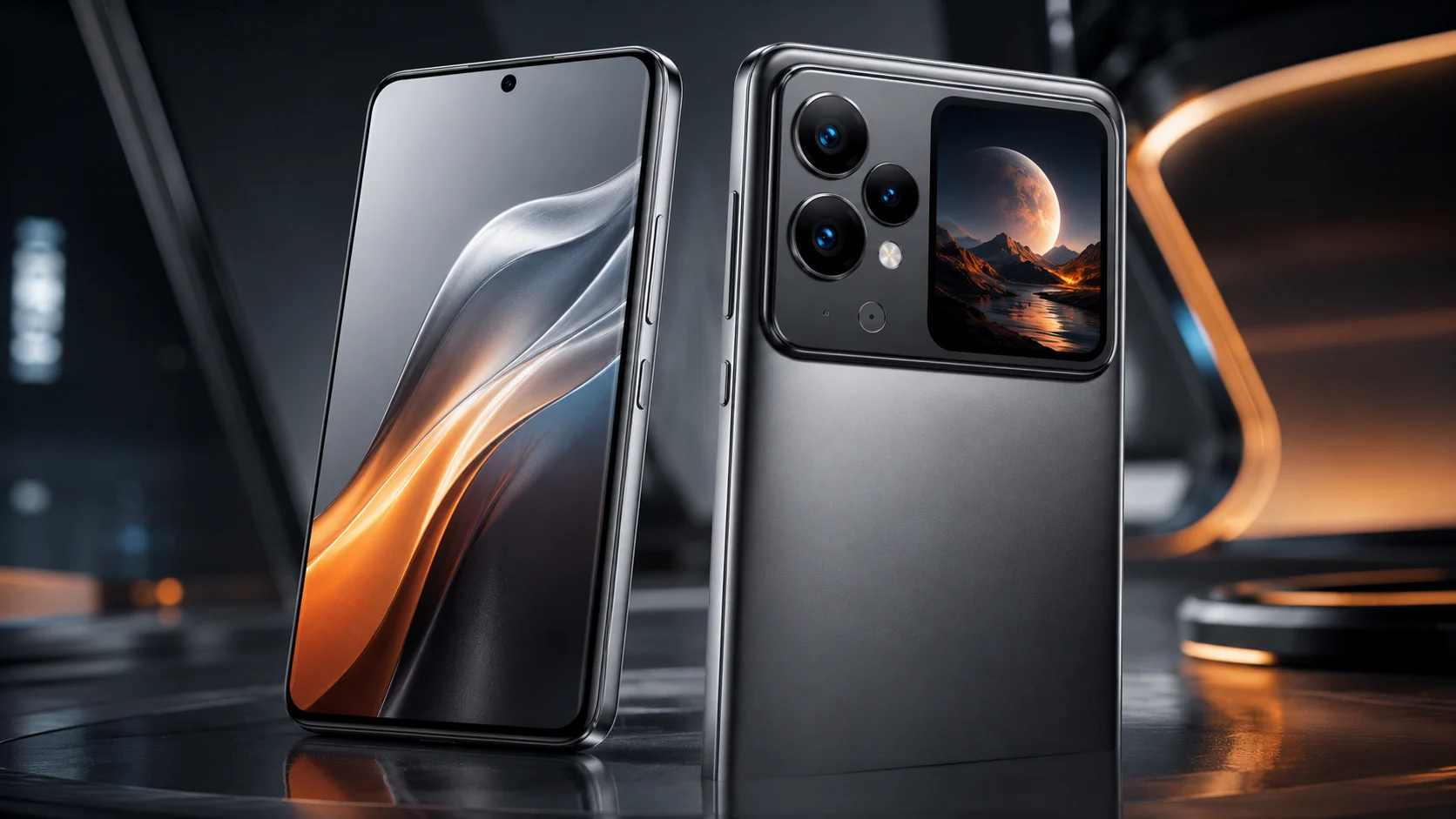
Xiaomi 17T is shaping up to be one of the most watched smartphone stories of the year, not just because it carries Xiaomi’s performance-focused T-series identity, but because the conversation around its two new display experiences points to a bigger shift in how flagship-style phones are being designed. The modern phone battle is no longer only about faster chips, louder marketing, or bigger camera bumps, because users now judge a device by how naturally it fits into their daily rhythm. A phone has to be a camera, entertainment screen, gaming machine, productivity tool, travel companion, and personal dashboard without feeling heavy or complicated. That is why the idea of the Xiaomi 17T arriving with a fresh dual-screen direction feels important, even before every official detail is locked in. It hints at a smartphone category where the display is not just a surface for apps, but the center of the entire user experience.
The timing also matters because consumers are becoming harder to impress. A few years ago, a higher refresh rate or a brighter AMOLED panel could make a launch feel exciting on its own. Now, even midrange phones often offer smooth screens, strong brightness, and reliable battery life, so premium-leaning devices must work harder to justify attention. Xiaomi understands this pressure better than most brands because it built its reputation by pushing high-end features into more reachable price segments. With the Xiaomi 17T, the company appears to be leaning into a more visual, interactive, and future-facing identity that could help the T series stand apart in a crowded global market.
Xiaomi 17T and the New Display Race
The most interesting part of the Xiaomi 17T discussion is how it reflects the new display race happening across the smartphone industry. Brands are no longer treating screens as simple rectangles that only need to be bright, sharp, and smooth. Instead, the screen is becoming a layered experience, where the main panel handles deep work and entertainment while secondary display ideas support quicker interactions. This approach makes sense in a world where users check notifications, frame photos, control music, view timers, and glance at information dozens of times every day. If Xiaomi can turn the two-display concept into something useful rather than decorative, the Xiaomi 17T could feel more practical than many experimental phones that only chase attention.
A dual-display direction also connects with the way people now use their phones in shorter, faster bursts. Not every interaction needs a full unlock, a home screen, and a deep dive into an app. Sometimes users simply want to check battery status, see who messaged them, control a playlist, frame a selfie using the main camera, or glance at travel details without breaking focus. A secondary display can reduce friction when it is designed with clear use cases instead of gimmicks. That is the real challenge for the Xiaomi 17T: the second screen has to feel like a convenience users would miss after trying it, not a spec-sheet trick they forget after launch week.
The main display will still carry most of the pressure because it defines how the phone feels every minute. Buyers will expect a panel that is bright enough outdoors, fluid enough for gaming, accurate enough for photos, and efficient enough to avoid draining the battery too quickly. Xiaomi’s recent premium phones have already pushed strong display technology, so expectations around the Xiaomi 17T display are naturally high. If the device arrives with a refined AMOLED experience, high refresh rate, strong HDR support, and smart brightness control, it can compete confidently against rivals from Samsung, OnePlus, Vivo, Honor, and Google. The bigger question is whether Xiaomi can make both screens feel like one connected system rather than two separate ideas living on the same device.
Why Two Screens Could Actually Matter
Two-screen phones often sound futuristic, but the concept only works when the benefit is obvious. Consumers have seen enough unusual smartphone designs to know that innovation does not always equal usefulness. Some devices create excitement during launch videos but become awkward in real life because software support is weak or battery trade-offs are too obvious. The Xiaomi 17T has a chance to avoid that trap by making the second display serve everyday moments rather than trying to replace the main screen. A smaller companion display can succeed if it focuses on quick glances, camera previews, smart controls, and contextual widgets that save time.
One of the strongest possible uses is photography, especially if Xiaomi continues to connect its premium phones with serious mobile imaging ambitions. A secondary display can help users take higher-quality selfies using the rear camera system instead of relying only on the front camera. That may sound small, but it changes how creators, travelers, vloggers, and casual users capture content. People increasingly want sharper social photos and better video without carrying extra gear, so a rear-screen preview can feel genuinely valuable. For a site like smartphones, this kind of feature is exactly where hardware design and content culture meet.
Another practical angle is battery-friendly interaction. Every time a user wakes the main display to check a simple update, the phone uses more power than necessary. A smaller screen can handle lightweight tasks with less visual overload and potentially lower energy use, depending on how Xiaomi tunes the hardware and software. This matters because battery anxiety is still one of the most common smartphone frustrations, even as charging speeds improve. If the Xiaomi 17T can combine fast charging, strong endurance, and smarter screen behavior, it could feel more polished in daily life than a phone that only wins benchmark charts.
The second screen could also support personalization, which has become a major smartphone trend. Users want devices that feel expressive, not just powerful. Lock screen widgets, always-on display themes, dynamic wallpapers, and smart notification cards have already shown that people enjoy customizing small visual spaces. A compact rear or companion display can become another identity layer if Xiaomi gives users enough control without making the interface messy. The Xiaomi 17T could therefore appeal to both practical users and style-focused buyers who want their phone to look alive even when it is not being actively used.
The T-Series Identity Is Changing
Xiaomi’s T series has usually been about delivering flagship energy without always carrying the highest flagship price. That identity matters because many buyers want speed, camera strength, and premium design, but they do not always want to pay ultra-premium prices. The Xiaomi 17T has to continue that tradition while also feeling fresh enough for a market that has moved quickly. A phone can no longer survive only by being “almost flagship” because competitors have learned the same formula. Xiaomi now needs a stronger story, and a dual-display design could become the visual hook that gives the device its own personality.
The challenge is balance. If Xiaomi makes the Xiaomi 17T too expensive, it risks losing the value-driven appeal that made the T line attractive. If it plays too safe, the phone may disappear among many capable Android devices launching around the same period. This is why display innovation is such a strategic move. Screens are immediately visible, easy to understand, and central to nearly every use case, so a strong display story can make a phone feel new even before users explore deeper hardware details. Done well, the two-display concept can communicate innovation faster than processor names or sensor sizes.
There is also a branding advantage in making the Xiaomi 17T feel visually linked to Xiaomi’s broader premium ecosystem. Smartphone buyers pay attention to design language, especially when brands create recognizable camera modules, screen layouts, and software themes. A second display can become part of that design language if it is integrated cleanly instead of looking like an afterthought. The phone should not feel like a prototype sold too early; it should feel intentional, durable, and ready for normal users. That distinction could decide whether the Xiaomi 17T becomes a memorable model or just another short-lived headline.
Performance Still Has to Back the Hype
Even with two new screens taking the spotlight, performance will remain a major part of the Xiaomi 17T conversation. A visually ambitious phone cannot afford lag, heat issues, or inconsistent software behavior because those problems become more noticeable when the design promises a premium experience. Users expect the T series to handle gaming, multitasking, photography, video editing, and heavy daily use without slowing down too quickly. Xiaomi will need to pair the display experience with a capable processor, efficient thermal design, fast storage, and enough memory to keep apps responsive. If the hardware underneath feels strong, the dual-display idea becomes more convincing because the phone can support it without compromise.
Gaming is especially important because high-refresh displays are now a core selling point for performance phones. Mobile gamers want stable frame rates, responsive touch input, strong brightness, and battery management that does not collapse during long sessions. The Xiaomi 17T could attract this audience if the main screen delivers smooth motion and the software keeps performance consistent under pressure. A secondary display might even support quick tools, game status, or background controls if Xiaomi builds smart gaming features around it. Still, the core gaming experience will depend on heat control and optimization more than marketing language.
Productivity users will look at the device differently. They will care about how the display handles reading, writing, video calls, split-screen work, and fast switching between apps. If the Xiaomi 17T offers a clean, bright, and comfortable main screen, it could become a strong everyday work phone for users who live inside messages, documents, dashboards, and browser tabs. The second display could help with quick reminders, timers, notifications, and camera framing during content work. This is where Xiaomi has to show that its design choices are not only for tech fans but also for people who use their phones as serious daily tools.
Camera Culture Could Be the Real Winner
The smartphone camera race has changed because people no longer take photos only to save memories. They use phones to build personal brands, run small businesses, document travel, publish short videos, review products, and communicate visually every day. That makes the Xiaomi 17T especially interesting if its second display improves how users shoot with the rear cameras. A rear preview can help creators frame themselves more accurately, use better lenses, and produce sharper content without relying on guesswork. In a creator-driven market, that kind of practical imaging upgrade can matter more than another abstract camera buzzword.
Xiaomi has spent years building credibility in mobile photography, especially by emphasizing color, contrast, portrait style, and more serious camera tuning. The Xiaomi 17T camera experience will likely be judged not only by megapixels but by how natural photos look in daily conditions. Users want skin tones that do not feel artificial, night shots that are bright without being weird, and video that stays stable while moving. A second display can make the camera system feel more flexible, but the image processing still has to deliver. If Xiaomi gets both right, the device could become a strong option for creators who want flagship-style imaging without moving into ultra-premium territory.
There is also a social angle that brands sometimes underestimate. People enjoy phones that make content creation feel easier in public, especially when recording quick clips or taking group shots. A companion display can make rear-camera selfies less awkward because users can see composition before tapping the shutter. It can also help when recording short-form videos, checking framing, or capturing travel moments without carrying a separate monitor or camera accessory. The Xiaomi 17T could turn this into one of its strongest lifestyle advantages if the feature is smooth, fast, and reliable.
Software Will Decide the Experience
Hardware may create the headline, but software will decide whether the Xiaomi 17T feels great after the first week. A second display needs thoughtful software because users should not have to dig through confusing settings to understand what it does. Xiaomi has to make the feature obvious, customizable, and stable while keeping battery use under control. The best version of this experience would include clear widgets, smart notification controls, camera preview tools, music controls, charging animations, and useful glanceable information. The worst version would feel crowded, inconsistent, or dependent on features that only work in a few apps.
This is where HyperOS becomes a major part of the story. Xiaomi’s software direction has been moving toward a broader ecosystem experience, connecting phones with tablets, wearables, smart home products, and other devices. The Xiaomi 17T could benefit from that ecosystem if the display features are tied into real daily workflows. Imagine using the smaller screen for smart home status, quick device controls, travel reminders, or camera tools while the main screen stays focused on deeper tasks. That type of integration would make the phone feel smarter without needing to shout about artificial intelligence in every menu.
Software updates will also shape long-term trust. Buyers are becoming more aware of update policies, security patches, and whether a phone will feel fresh two or three years later. A unique display feature needs continued support because abandoned features age badly and make users feel like early adopters were left behind. Xiaomi can strengthen the Xiaomi 17T by showing that its display software will improve over time, not just ship as a launch-day novelty. In a market where hardware cycles move fast, software confidence can become a serious competitive edge.
Market Impact: A Signal to Android Rivals
The Xiaomi 17T could also pressure Android rivals to think more creatively about mainstream flagship design. Foldables have already shown that consumers are open to new screen formats, but they remain expensive and not everyone wants the weight, crease, or durability questions. A dual-display slab phone offers a different path because it can feel familiar while still adding something new. If Xiaomi proves that a secondary display can be useful in a more accessible performance phone, other brands may respond quickly. That would turn the Xiaomi 17T from a single-device launch into a signal for the next wave of Android experimentation.
The move also reflects how difficult it has become to differentiate smartphones. Most premium Android phones now share similar ingredients: OLED screens, fast charging, big camera modules, high refresh rates, and clean glass-metal designs. Consumers can recognize quality, but they may struggle to explain why one phone feels more exciting than another. A well-executed dual-display concept gives Xiaomi a clearer talking point that normal buyers can understand. The Xiaomi 17T does not need to reinvent the entire smartphone to stand out; it only needs to make the screen experience feel more useful, more personal, and more memorable.
This could be especially important in markets where Xiaomi has a strong value-performance reputation. Buyers in competitive regions often compare features aggressively before choosing a device, and visible innovation can influence purchase decisions. If the Xiaomi 17T offers strong display hardware, competitive cameras, fast charging, and a polished design at a sensible price, it could become one of the more talked-about Android options in its segment. The dual-screen angle gives retailers, reviewers, creators, and everyday users something easy to demonstrate. In a crowded launch calendar, that kind of instant visual identity is valuable.
Practical Buyer Insight Before the Launch
For buyers watching the Xiaomi 17T, the smartest approach is to focus less on hype and more on how the two-screen setup works in real situations. A second display should make common actions faster, not simply look interesting in photos. Users should look for camera preview quality, notification behavior, customization options, always-on features, battery impact, and whether third-party apps can make use of the extra screen space. It is also worth checking how durable the design feels, especially if the secondary display sits near the camera area. A beautiful feature matters less if users feel nervous about scratches, drops, or repair costs.
Battery life should be another priority. A phone with two displays needs smart power management because users will not accept weaker endurance just for a flashier design. Xiaomi often competes strongly on charging, but fast charging should not become an excuse for average battery optimization. The Xiaomi 17T will feel much more convincing if it can last through a full day of mixed use while keeping both display experiences responsive. Buyers should also pay attention to heat during gaming, video recording, navigation, and hotspot use because those real-life scenarios reveal more than polished launch claims.
Camera testing will also be essential. If the second display improves rear-camera selfies and video framing, users should compare results against the front camera and against rival phones in the same price range. The feature becomes meaningful only if the main camera system produces noticeably better content and the preview experience feels smooth. Buyers who create content regularly may find this extremely useful, while users who rarely shoot selfies or videos may care more about the main screen, battery, and performance. That is why the Xiaomi 17T may appeal differently depending on lifestyle, not just spec preferences.
The Bigger Trend Behind Xiaomi 17T
The bigger trend behind the Xiaomi 17T is that smartphones are becoming more ambient. Instead of demanding full attention every time, the best devices are learning how to provide small pieces of information at the right moment. Wearables already do this with notifications, health metrics, and quick controls, but phones still carry the deepest computing power and best cameras in most people’s lives. A secondary display can bring some of that ambient convenience back to the phone itself. If Xiaomi understands this direction, the Xiaomi 17T could feel aligned with how people actually live, not just how brands want them to use technology.
This ambient trend also connects to artificial intelligence, even if the display feature does not need to be branded as AI to be useful. Smarter phones will increasingly decide which information deserves attention and which interactions should stay lightweight. A small secondary display could show contextual reminders, live translations, travel alerts, meeting timers, or camera suggestions without forcing users into full-screen mode. The Xiaomi 17T could become more powerful over time if Xiaomi connects display behavior with smarter system-level prediction. That would make the second screen feel less like hardware decoration and more like a natural extension of the phone’s intelligence.
There is also a design culture shift happening. People want devices that look premium but still feel playful, personal, and different. Minimalist rectangles have dominated smartphones for years, and while they are practical, they can also feel predictable. A dual-display design gives Xiaomi room to create a more recognizable silhouette and a more expressive back panel. If the Xiaomi 17T manages to look refined rather than busy, it could satisfy users who want innovation without sacrificing elegance.
Possible Risks Xiaomi Needs to Avoid
The biggest risk for the Xiaomi 17T is overcomplication. Smartphone users like innovation, but they do not want features that add confusion to basic tasks. Xiaomi needs to make the second display intuitive from the first setup screen, with simple explanations and useful default widgets. If users need long tutorials to understand the feature, many will ignore it. The best smartphone features usually feel obvious after one try, and that should be the goal here.
Another risk is durability perception. Any extra display creates new questions about protection, repairability, and long-term reliability. Xiaomi will need strong materials, thoughtful placement, and clear software safeguards to prevent accidental taps or unnecessary screen wear. Buyers may also want reassurance that cases and accessories will support the design without hiding its best feature. The Xiaomi 17T can overcome these concerns if the build feels mature and if early hands-on impressions show that the second display is practical rather than fragile.
Pricing could be the final pressure point. The T series has power because it often attracts users who want premium features without paying the highest flagship prices. If the dual-display upgrade pushes the Xiaomi 17T too far upward, it could face tougher comparisons against established flagship models. Xiaomi needs to protect the value story while still presenting the phone as advanced. That balance will determine whether the device feels like a smart buy or a cool idea with a difficult price tag.
Conclusion: A Display-First Android Moment
The Xiaomi 17T feels important because it points toward a more display-first future for Android phones. The idea of two new screen experiences is not exciting simply because it sounds different; it is exciting because it could make daily phone use faster, more visual, and more flexible. If Xiaomi connects the main display, secondary display, camera system, battery, and software into one polished experience, the device could stand out in a year full of capable but familiar smartphones. The real success of the Xiaomi 17T will depend on whether its dual-display concept solves real user problems instead of only creating launch-day buzz. If Xiaomi gets that balance right, this phone could become one of the clearest signs that the next phase of smartphone innovation is happening right on the screen.