
Oura Ring 5 Makes Smart Rings Feel Mainstream
 Vortixel
14 minutes read
Vortixel
14 minutes read
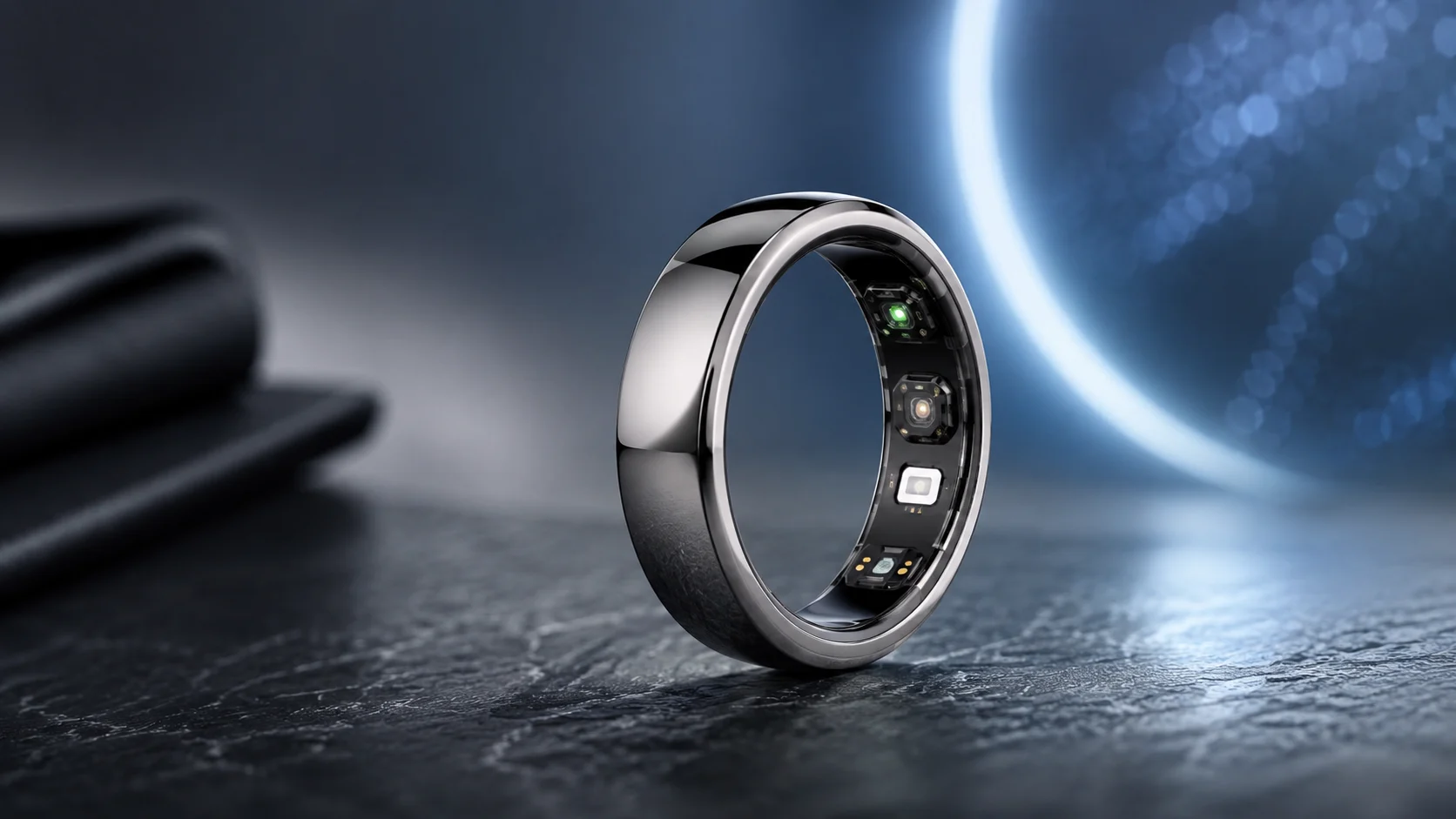
The Oura Ring 5 arrives at a strange moment for wearable tech, when people want more health data but less hardware shouting from their bodies. Smartwatches are still everywhere, fitness bands still do the job, and phones still collect half of our daily behavior without asking for attention. Yet the smart ring category has been quietly building a different kind of momentum, one that feels less like a gadget flex and more like a lifestyle shift. The latest Oura model leans directly into that shift by getting thinner, lighter, and more jewelry-like while still promising deeper wellness tracking. That combination is exactly why the Oura Ring 5 feels less like another niche device and more like a sign that smart rings are finally moving into the mainstream.
For years, wearables have been trapped in a design trade-off. If a device wanted to track sleep, workouts, heart metrics, stress, recovery, and long-term wellness patterns, it usually needed a screen, a bulky body, or a strap that stayed visible all day. The ring format flips that expectation because it hides its intelligence inside an object people already understand. A ring does not need to interrupt your outfit, buzz on your wrist, or turn every glance at your hand into a mini notification session. With the Oura Ring 5, that quiet approach becomes the main story, because the device is not just trying to be smarter than before; it is trying to disappear into daily life.
Oura Ring 5 Pushes Smart Rings Into a Sleeker Era
The headline upgrade around the Oura Ring 5 is its smaller profile, and that matters more than it sounds. In wearable tech, size is not just a spec sheet detail because comfort decides whether people actually keep wearing the device. A tracker that feels annoying at night will eventually end up on a nightstand, no matter how advanced its sensors are. A ring that feels too thick can make typing, lifting, sleeping, or even grabbing a coffee cup feel slightly awkward. By making the design thinner and more discreet, Oura is attacking the biggest emotional barrier that has kept smart rings from feeling completely normal.
This is also where the category starts to look different from smartwatches. A smartwatch has to balance fitness tracking, apps, alerts, calls, maps, payments, and style in one visible rectangle. A smart ring has a narrower mission, but that focus may actually be its advantage. It can track the body without pretending to replace the phone, and it can stay on the finger while avoiding the digital noise that makes many users feel overloaded. The Oura Ring 5 takes that idea further by making the hardware feel closer to modern jewelry than a miniaturized fitness device.
Why Thin Design Matters More Than Raw Specs
In gadget culture, it is easy to chase the loudest upgrades: brighter screens, faster chips, bigger batteries, and more aggressive marketing language. The smart ring market works differently because the best upgrade is often the one users stop noticing. A thinner smart ring can make the difference between wearing it for a week and wearing it for an entire year. That is especially important for sleep tracking, where consistency is everything and a device has to be comfortable enough to survive every night. The Oura Ring 5 understands that the future of wellness tech depends less on looking futuristic and more on feeling effortless.
This subtle design strategy also says a lot about where the wearable market is heading. Consumers are becoming more selective about the devices they allow onto their bodies, especially as every gadget asks for attention, data, charging time, and subscription loyalty. A slimmer ring feels like a response to that fatigue because it promises tracking without turning the user into a walking dashboard. It also fits a growing trend where health tech is expected to blend with fashion, not fight against it. For a website audience following Wearable Devices, the Oura Ring 5 is a clear example of how design is becoming as important as sensor performance.
The Smart Ring Is Becoming a Health Companion
The biggest promise behind the Oura Ring 5 is not simply that it tracks more data. The real promise is that it can turn quiet signals from the body into useful daily context. Smart rings are naturally positioned for this because the finger can provide steady access to pulse-related signals, temperature changes, sleep patterns, and recovery trends. That kind of passive tracking works best when users do not have to start a session, check a screen, or remember to log every detail manually. When the device stays on long enough, the data becomes less about isolated numbers and more about patterns that tell a story over time.
This is where Oura has built much of its identity. The brand is not trying to compete only as a workout tracker for people chasing personal records every weekend. It is also trying to appeal to users who want to understand sleep quality, readiness, stress, recovery, and long-term changes in their bodies. That broader wellness positioning makes the Oura Ring 5 feel different from traditional fitness devices. It is not just asking how hard you trained; it is also asking whether your body is ready for the day you are about to have.
A Smaller Ring With Bigger Wellness Ambitions
The move toward a smaller body would be less impressive if it came with obvious compromises. For smart rings, miniaturization is difficult because the device still needs sensors, a battery, wireless connectivity, durable materials, and enough structural strength to survive daily wear. Every millimeter matters when the product is wrapped around a finger instead of stretched across a wrist. That makes the Oura Ring 5 interesting as a product story because it shows how wearable engineering is moving away from bulky visible devices and toward smaller ambient computers. It is the kind of shift that sounds simple in marketing but requires real discipline in hardware design.
Battery life is another key part of the equation. A wearable that needs constant charging can quickly break the habit loop that makes health tracking valuable. Users may forgive charging a phone every day because phones are essential, but a health ring has to earn its place through convenience. If a ring can last several days between charges, it becomes easier to wear through sleep, workouts, travel, and regular routines without overthinking it. That practical comfort is one reason the Oura Ring 5 feels like a more mature version of the smart ring idea.
The Rise of Screenless Wearables
One of the most interesting things about the Oura Ring 5 is what it does not have. It does not have a display fighting for attention, a grid of apps, or a stream of notifications pulling users away from whatever they are doing. That screenless design may become more valuable as people grow tired of being constantly reachable and constantly measured in public. A smart ring still collects data, but it does not demand that the user interact with it every few minutes. In a world already full of screens, the absence of one can feel like a feature rather than a limitation.
This is especially important for wellness products because the goal is not always to create more engagement. Sometimes the goal is to reduce friction so the user can focus on living while the device quietly gathers context in the background. A smartwatch can be powerful, but it can also turn health into another feed to check. A smart ring creates a different rhythm because the app becomes the place for reflection, not constant interruption. The Oura Ring 5 benefits from that philosophy by making the hardware feel calm, minimal, and intentionally low-profile.
How Oura Ring 5 Fits the AI Health Trend
The next stage of wearables will not be defined only by sensors. It will be defined by interpretation, and that is where AI-driven wellness features become more important. Users do not just want a pile of charts showing heart rate, sleep stages, temperature movement, and activity trends. They want plain-language insight that explains what those signals might mean and what they can do next. The Oura Ring 5 enters the market at a time when AI health coaching, personalized recommendations, and predictive wellness alerts are becoming central to the value of wearable devices.
This does not mean a smart ring should replace medical care or pretend to diagnose every condition. The better opportunity is more realistic and more useful. A wearable can help users notice patterns earlier, understand how lifestyle choices affect recovery, and make small adjustments before problems become bigger. When paired with thoughtful software, the Oura Ring 5 can become less of a passive tracker and more of a personal health companion. That direction also explains why smart rings are gaining attention beyond the usual gadget crowd.
Fashion Is Now Part of the Gadget Strategy
Wearable tech used to treat fashion like a bonus feature, but that approach does not work when the product is worn every day. People may tolerate an ugly device for a workout, but they are less likely to wear it to dinner, to work, or while sleeping beside someone. Smart rings are especially personal because rings already carry meaning as accessories, gifts, symbols, and style choices. The Oura Ring 5 has to compete not just with other gadgets but with actual jewelry sitting in a drawer. That makes finish, shape, thickness, and comfort central to the product’s appeal.
This fashion angle also helps explain why the smart ring category could grow beyond hardcore tech fans. A person who does not want a smartwatch may still be open to a ring that looks clean, premium, and quiet. The device can blend into a wardrobe instead of defining it. That matters for users who care about health tracking but do not want their wrist dominated by a screen or their outfit shaped around a gadget. The Oura Ring 5 is strongest when it feels like wearable tech for people who do not want their wearable tech to look too technical.
What This Means for Smartwatch Competition
The Oura Ring 5 does not need to kill the smartwatch to succeed. In fact, many users may eventually wear both because each device serves a different role. A smartwatch is better for quick interactions, workout controls, notifications, calls, navigation, and visible progress during activity. A smart ring is better for low-friction tracking, sleep comfort, recovery trends, and subtle health monitoring. The real competition is not about replacing one form factor completely; it is about deciding which device owns the most trusted health data on the body.
That data ownership question is huge. If a ring becomes the device users wear most consistently, it may collect the most complete picture of their daily and nightly patterns. This gives smart rings a strategic advantage even without a screen. The device that stays on during sleep, travel, work, rest, and exercise can become the foundation for more personalized insights. The Oura Ring 5 is important because it strengthens the argument that the most powerful wearable may not be the one users look at most often.
Practical Reasons Users May Upgrade
For existing Oura users, the upgrade question will likely start with comfort. If the new model feels noticeably thinner and easier to wear, that alone could be enough for people who already rely on ring-based tracking. Better comfort can improve consistency, and consistency improves the usefulness of long-term health data. Users who found previous smart rings slightly bulky may see the Oura Ring 5 as the version that finally solves the everyday wear problem. In a category this intimate, comfort is not a minor upgrade; it is the product experience.
For new buyers, the decision may come down to whether they want a health tracker without adopting the smartwatch lifestyle. Some people do not like wrist wearables, some already wear traditional watches, and others simply want fewer screens in their day. A smart ring gives those users a way into health tracking without changing their relationship with notifications. It also makes sleep tracking feel more natural because there is no watch face pressed against the wrist overnight. That is where the Oura Ring 5 could win users who never saw themselves as wearable tech people.
The Subscription Question Still Matters
No modern wearable conversation is complete without talking about subscriptions. Hardware may get people interested, but software access often defines the long-term cost of ownership. Oura has built much of its value around app-based insights, trend analysis, readiness scores, sleep breakdowns, and wellness features that depend on ongoing service. For some users, that model makes sense because health data becomes more useful when it is interpreted over time. For others, the idea of paying extra after buying premium hardware can still feel frustrating.
This is one of the biggest challenges facing the Oura Ring 5. The device has to convince people that its insights are not just interesting but useful enough to justify the full ecosystem. That means the app experience, coaching language, trend detection, and feature reliability matter just as much as the ring itself. If the software feels personal, clear, and actionable, the subscription becomes easier to understand. If it feels like a locked door around basic data, the hardware’s elegance may not be enough to win over skeptical buyers.
Smart Rings Are Entering Their Phone Moment
The smart ring market today feels similar to early phases of other consumer tech categories. At first, the product seems niche, expensive, and slightly unnecessary to people outside the enthusiast bubble. Then the design improves, the use case becomes clearer, competitors arrive, and the category starts to feel obvious in hindsight. The Oura Ring 5 may not be the only smart ring that matters, but it is one of the devices pushing that transition forward. It shows that smart rings are no longer just about proving the concept; they are about refining the experience.
This matters because category maturity usually begins when products stop asking users to forgive awkwardness. Early adopters may tolerate bulk, limited features, weird charging habits, or rough app experiences because they enjoy being first. Mainstream users are different because they expect the device to work smoothly, look good, and make sense immediately. A thinner, more polished smart ring moves the category closer to that mainstream expectation. The Oura Ring 5 is not just selling a new gadget; it is selling the idea that health tracking can become almost invisible.
Impact on the Wider Gadget Industry
The arrival of the Oura Ring 5 also sends a signal to the broader gadget industry. Consumers are not only asking for more powerful devices; they are asking for devices that fit more gracefully into real life. That pressure is changing how companies think about product design, wellness software, battery life, and long-term user trust. The best gadgets of the next few years may be the ones that become less visually dominant while becoming more contextually useful. Smart rings are a perfect example because they move technology closer to the body while making it less obvious to everyone else.
This could influence everything from AI wearables to health sensors, earbuds, smart glasses, and even clothing-based tech. The lesson is clear: people want intelligence, but they do not always want another screen or another device demanding attention. They want technology that understands the moment, respects personal style, and works in the background until it has something meaningful to say. The Oura Ring 5 captures that mood better than many louder gadgets. It points toward a future where the smartest device may be the one that feels least intrusive.
Who Should Consider Oura Ring 5?
The Oura Ring 5 makes the most sense for users who care about sleep, recovery, stress awareness, and long-term wellness patterns more than on-screen workout controls. It is also a strong fit for people who already wear a traditional watch and do not want to replace it with a smartwatch. Anyone who dislikes sleeping with a wrist device may find the ring format more comfortable and easier to keep on consistently. The ring may also appeal to users who want health tracking that looks more like jewelry than gym equipment. In other words, this is not just a gadget for athletes; it is a gadget for people who want quieter health awareness.
However, it may not be the perfect device for everyone. Users who want a display, live workout stats on the wrist, app notifications, music controls, or navigation tools will still get more from a smartwatch. People who dislike subscriptions should also think carefully about the total cost before buying into the ecosystem. Ring sizing is another practical detail because a smart ring has to fit well for both comfort and sensor accuracy. The Oura Ring 5 may be sleek, but it still requires buyers to understand what kind of wearable experience they actually want.
Final Thoughts on Oura Ring 5
The Oura Ring 5 feels important because it makes the smart ring category easier to understand at a glance. It is thinner, more refined, and more aligned with the way people actually want to use health technology in daily life. Instead of trying to become another screen, it focuses on comfort, consistency, and quiet intelligence. That makes it one of the clearest examples of where wearable tech is heading: smaller devices, stronger insights, and less visual noise. For users who want health data without turning their wrist into another phone, the Oura Ring 5 may be the smart ring that finally makes the category feel grown up.
The bigger story is not only about one ring getting thinner. It is about a shift in consumer technology from attention-hungry devices to ambient tools that support people without constantly interrupting them. The Oura Ring 5 shows how a gadget can become more powerful by becoming less obvious. That is a rare move in an industry that often equates innovation with bigger screens and louder features. If smart rings continue in this direction, they may become one of the most important wearable categories of the next decade.