
Removable Batteries Are Making a Serious Comeback
 Vortixel
16 minutes read
Vortixel
16 minutes read
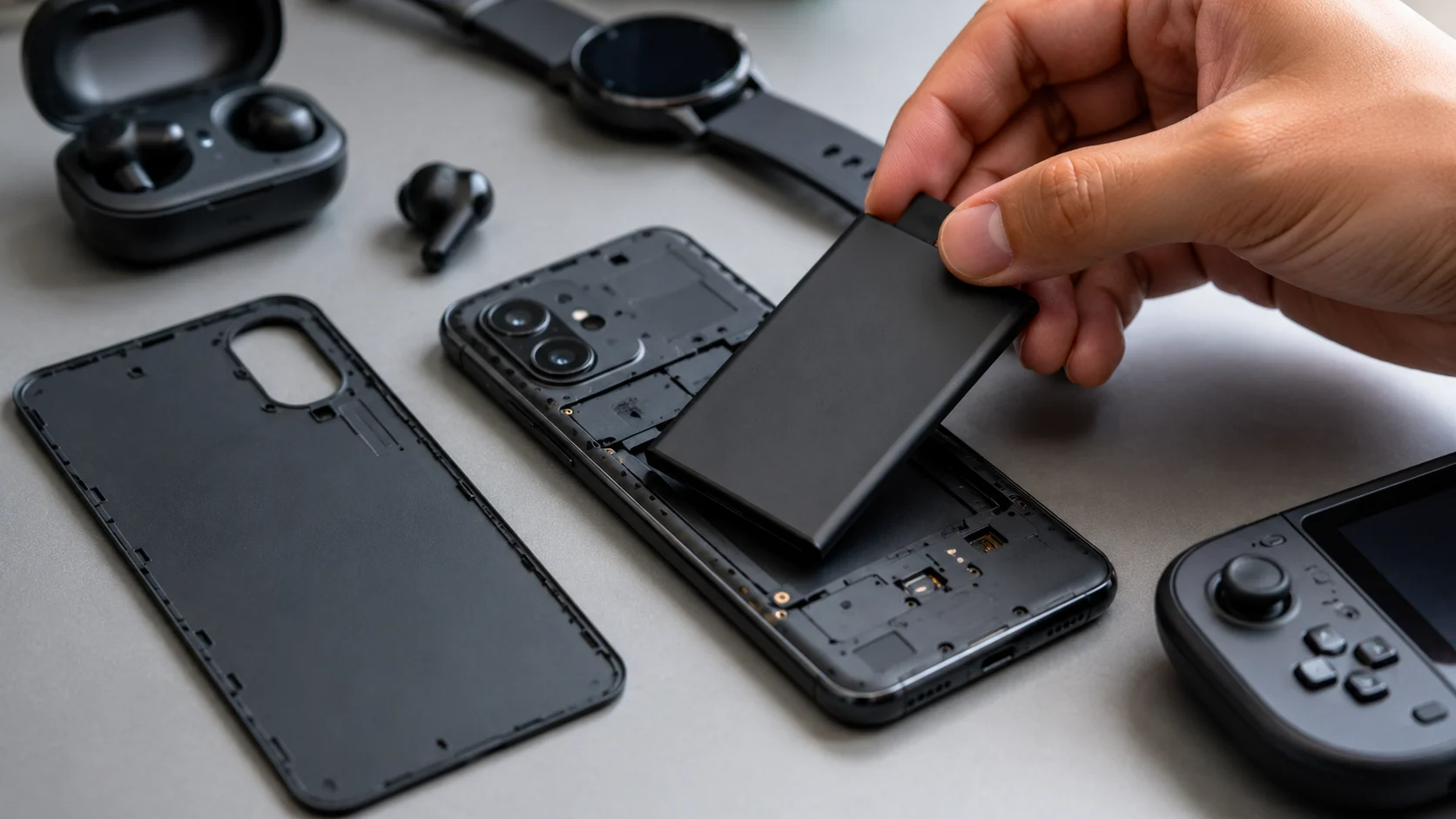
The comeback of removable batteries feels like one of those tech plot twists that nobody had on their 2026 bingo card, yet it suddenly makes perfect sense. For years, gadgets became thinner, sleeker, shinier, and harder to repair, while users quietly accepted that a dying battery meant either paying for service or buying a new device. Now the conversation is shifting in a big way, because the industry is being pushed toward longer-lasting products, easier repairs, and less electronic waste. This is not just nostalgia for the old days when people could pop open a phone cover and swap a battery in seconds. It is a deeper reset in how brands, regulators, repair advocates, and everyday users think about ownership in the modern gadget era.
The timing is important because gadgets have reached a point where performance is no longer the only thing that matters. Most smartphones, headphones, handheld consoles, tablets, smartwatches, and laptops are already powerful enough for daily life, so people are starting to care more about durability, repairability, and value over time. A phone that lasts five years but loses battery health after two years creates a frustrating gap between hardware potential and real-world usability. That gap is exactly where removable batteries are becoming relevant again, especially as global attention moves toward sustainability and right-to-repair rules. The old idea of replacing a battery yourself is being reintroduced as a modern feature, not a retro compromise.
Why Removable Batteries Are Back in the Spotlight
The return of removable batteries is being driven by a mix of regulation, consumer frustration, and environmental pressure. For a long time, sealed designs were treated as the premium standard because they helped devices look seamless, feel solid, and resist water more effectively. That design philosophy worked for branding, but it also made basic maintenance feel unnecessarily complicated for regular users. When a battery degraded, many people were pushed into replacement cycles that benefited sales but hurt wallets and the planet. Now the industry is being forced to rethink whether a glued-in battery should still be the default for every portable device.
The biggest reason this topic is heating up is that repairability is no longer a niche concern for hobbyists. It has entered mainstream tech culture because almost everyone has dealt with a device that still works fine except for battery life. A laptop may still be fast, earbuds may still sound great, and a phone may still take excellent photos, but battery decline slowly turns good hardware into daily frustration. This creates a weird situation where users do not always upgrade because they want a new product; they upgrade because one component has become weak. User-replaceable batteries directly challenge that cycle by making one of the most common failure points easier to fix.
There is also a cultural shift happening around gadget ownership. People are less impressed by devices that are beautiful for one year but disposable after a short lifespan. Younger buyers in particular are more comfortable questioning whether expensive tech should be locked down, difficult to repair, or dependent on official service channels for simple fixes. At the same time, budget-conscious consumers are holding onto devices longer because flagship prices have climbed so high. That makes battery replacement a practical issue, not just an ethical debate, and it explains why the comeback of removable batteries feels surprisingly current.
The Sealed Gadget Era Changed Everything
To understand why this comeback matters, it helps to remember how sealed gadgets became dominant in the first place. Early mobile phones often had removable back covers, replaceable batteries, expandable storage, and designs that invited users to open them. As smartphones became thinner and more advanced, brands moved toward sealed glass-and-metal bodies that looked cleaner and felt more premium. This design shift helped create stronger water resistance, tighter internal layouts, and more polished products. The trade-off was that users lost direct control over one of the most important parts of the device.
At first, many people accepted the trade-off because modern smartphones felt futuristic compared with older plastic models. A sealed phone looked more expensive, survived splashes better, and gave companies more room to engineer compact internal components. But over time, the downside became obvious as batteries aged and replacement became less convenient. Instead of buying a new battery and installing it at home, users often had to book appointments, mail devices away, or pay service fees that made repair feel less attractive. That inconvenience quietly trained people to replace entire gadgets instead of maintaining them.
This same pattern spread beyond phones into earbuds, smartwatches, gaming handhelds, tablets, wireless speakers, and even some laptops. The more devices became sealed, the more battery aging became a hidden cost of ownership. Wireless earbuds are one of the clearest examples because their tiny batteries can degrade while the speakers, chips, and charging cases still work. Many users simply replace them because battery service is too difficult or unavailable. That is why the movement toward removable batteries feels bigger than smartphones alone; it touches almost every category in consumer technology.
What This Means for Smartphones
Smartphones are the emotional center of this debate because they are the gadgets people rely on most. A phone battery affects work, travel, banking, messaging, entertainment, navigation, and even personal safety during emergencies. When battery health drops, the entire phone feels older even if the processor, camera, display, and software are still usable. That is why the idea of making phone batteries easier to replace has such strong appeal. It promises a future where keeping a device longer does not require technical confidence or expensive repair anxiety.
Still, the comeback of removable batteries does not necessarily mean every future smartphone will look like an old-school handset with a loose back cover. Modern devices have different engineering demands, including water resistance, wireless charging, advanced cameras, structural rigidity, and extremely compact internal designs. Brands may respond with smarter battery access systems rather than fully casual pop-off backs. That could mean pull-tab adhesives, easier screws, included tools, clearer repair guides, or modular internal layouts. The future may not be about returning to the exact past, but about making modern premium phones less hostile to repair.
This is where the smartphone industry will face a real design challenge. Companies have spent years marketing sleek sealed bodies as signs of quality, so they will need to make repairable design feel premium too. A device that is easier to open cannot feel cheap, fragile, or outdated if brands want mainstream buyers to accept it. The winners will be the companies that combine durability, water resistance, and repairability without making users feel like they are sacrificing style. If that balance works, removable batteries could become a selling point instead of a compromise.
The Bigger Impact on Gadgets Beyond Phones
The most interesting part of this trend is that it reaches far beyond smartphones. Laptops, wireless headphones, portable speakers, gaming controllers, handheld consoles, e-readers, cameras, and smart home devices all depend on batteries that slowly wear out. In many of these products, battery replacement has been treated as an afterthought, even when the rest of the hardware can last for years. That creates a massive opportunity for brands that want to stand out through practical longevity. A gadget that is easy to maintain can become more attractive than one that only looks good on launch day.
For earbuds and headphones, this shift could be especially meaningful because audio products often age differently from phones. A good pair of headphones can stay useful for a long time if the drivers, frame, and software remain solid. The weak point is usually battery life, especially in compact wireless models that go through frequent charge cycles. If brands make batteries easier to replace, premium audio gear could feel less disposable and more like a long-term investment. That would change how buyers judge value in the Technology category, especially for products that already cost hundreds of dollars.
Gaming tech could also benefit because handheld gaming devices and wireless controllers face heavy battery use. Gamers often keep hardware for years, but battery wear can make portable play less reliable over time. A replaceable battery system would make these devices easier to maintain, resell, and pass down. It could also reduce downtime because users would not need to ship devices away for basic service. For a generation that treats handheld gaming as both entertainment and lifestyle tech, battery access could become a surprisingly important feature.
Why Brands May Not Love This Shift
Even though removable batteries sound great for users, brands may not fully embrace the shift without pressure. Sealed designs give manufacturers more control over repairs, service pricing, product cycles, and accessory ecosystems. If users can keep devices longer with affordable battery replacements, upgrade cycles may slow down. That does not mean innovation stops, but it does mean companies have to compete harder on meaningful improvements rather than relying on natural battery aging to push replacements. For businesses built around yearly or two-year upgrade habits, this is a serious strategic change.
There are also legitimate engineering concerns that companies will likely raise. Making a battery easier to access can affect internal space, waterproofing, structural design, and manufacturing complexity. In ultra-thin devices, every millimeter matters, and adding user-friendly access mechanisms can create design trade-offs. Brands will argue that many users still want slim bodies, strong water resistance, and premium materials. The challenge is that those arguments are harder to accept when people feel locked out of basic repair for products they fully own.
The likely result is a middle path where companies comply while trying to preserve as much design control as possible. Some devices may use batteries that are technically user-replaceable but still require patience, tools, and careful steps. Others may lean into serviceable design as a brand identity, especially if repairability becomes a marketing advantage. Premium brands will probably avoid making devices feel old-fashioned, while value-focused brands may promote easy battery replacement as a money-saving feature. Either way, the industry will have to talk about repairability more openly than it has in the past decade.
The Sustainability Story Is Hard to Ignore
The environmental argument behind removable batteries is simple but powerful. If a device is thrown away mainly because the battery has degraded, that is a design failure with real waste consequences. Modern gadgets contain metals, plastics, glass, chips, adhesives, rare materials, and packaging that require energy and resources to produce. Replacing an entire product because one battery is tired creates unnecessary electronic waste. Easier battery replacement can extend product life and reduce the pressure to constantly manufacture new devices.
This matters because electronic waste is not just a recycling issue. Many devices are not recycled properly, and even when recycling happens, it does not erase the environmental cost of production. Keeping a gadget useful for one or two extra years can have a meaningful impact when multiplied across millions of users. It also encourages a different relationship with technology, where maintenance becomes normal instead of rare. In that sense, removable batteries are part of a bigger movement toward sustainable gadget ownership.
There is also a fairness angle in the sustainability conversation. Not every user can afford to replace a phone, laptop, or wearable just because the battery no longer lasts all day. When repair is expensive or inconvenient, lower-income consumers are often pushed into worse choices, including buying cheap replacements or living with unreliable devices. Easier battery access can make technology more affordable over time by lowering the cost of keeping products alive. That makes repairability both an environmental issue and a consumer rights issue.
The Right-to-Repair Movement Gets a Boost
The comeback of removable batteries is closely connected to the rise of right-to-repair culture. For years, repair advocates have argued that users should have access to parts, tools, manuals, and designs that make maintenance realistic. Their point is not that every person must repair every device at home. The point is that people should have options beyond expensive official service or full replacement. Battery access is one of the clearest examples because batteries are expected to wear out over time.
Right-to-repair momentum has already changed how people discuss tech products. Reviewers increasingly mention repair scores, parts availability, software support, and long-term durability alongside camera quality or benchmark results. Buyers are starting to notice whether a company supports products after launch or treats them as short-term fashion items. This shifts the definition of a good gadget from “best specs today” to “best experience over several years.” In that broader scoring system, user-replaceable batteries can become a major advantage.
The movement also puts pressure on brands to be more transparent. If a device claims to be repairable, users will want to know how easy the process really is, how much parts cost, and whether replacement batteries remain available over time. A repair-friendly design means little if parts disappear after two years or cost almost as much as a new product. The next phase of gadget reviews may need to test repair claims as seriously as display brightness or camera performance. That could make the gadget market more honest and more user-focused.
What Buyers Should Watch Before Upgrading
For everyday buyers, the return of removable batteries creates a new checklist before upgrading. Instead of only asking how fast a device is or how good the camera looks, users should ask how long the product can realistically stay useful. Battery replacement cost, part availability, software support, and repair difficulty should all matter. A cheaper gadget may become expensive if the battery cannot be serviced easily. A premium device may become a better value if it can be maintained for many years.
- Check battery replacement options before buying, especially for phones, laptops, earbuds, and handheld gaming devices.
- Look for long software support because a replaceable battery matters more when the device remains secure and updated.
- Compare repair costs instead of only comparing launch prices, since ownership value depends on what happens after year two.
- Watch for real repairability, not just marketing language that sounds user-friendly but still requires difficult service steps.
This does not mean users should avoid every sealed device immediately. Many current gadgets still offer excellent performance, strong battery life, and good service programs. But the direction of the market is changing, and buyers who care about long-term value should pay attention now. A device purchased today may be competing with more repairable alternatives very soon. That makes battery access one of the most important hidden specs in modern gadget buying.
How This Trend Could Change Gadget Reviews
Gadget reviews have traditionally focused on performance, design, display quality, cameras, battery life, and price. Those things still matter, but the comeback of removable batteries could push reviewers to judge devices over a longer timeline. A phone with excellent day-one battery life may not be as impressive if replacing the battery later is expensive or difficult. A slightly thicker device may become more appealing if it is easier to maintain. The definition of premium could shift from “sealed and shiny” to “beautiful, powerful, and built to last.”
This is especially important for websites that cover Gadget Reviews, Smartphone trends, and Wearable Devices. Readers increasingly want practical advice that helps them avoid regret, not just launch-day hype. A review that ignores repairability may feel incomplete as consumers become more aware of battery lifespan. Future buying guides may rank devices based on total cost of ownership, not only raw specs. That would make the gadget conversation more useful, especially for readers who want smarter purchases rather than constant upgrades.
The shift may also create a new kind of competition between brands. Companies could start advertising battery replacement as a feature, just like fast charging or camera zoom. Some may introduce modular repair kits, official battery subscriptions, or certified repair partnerships. Others may try to satisfy rules quietly without making repair a core part of the brand story. The brands that communicate clearly and honestly will likely earn more trust from users who are tired of disposable-feeling tech.
The AI Era Makes Battery Longevity Even More Important
Another reason removable batteries matter now is that gadgets are entering a more AI-heavy phase. Phones, laptops, wearables, earbuds, and smart glasses are increasingly expected to run intelligent features in the background. These features can make devices more helpful, but they also put more pressure on batteries. As on-device AI grows, battery health will become even more central to the user experience. A gadget that loses battery capacity quickly may struggle to support the next wave of smart features, even if its chip is still capable.
This creates a practical connection between AI Innovation and repairable hardware. The future of gadgets is not only about smarter software; it is also about whether the physical device can support that software for years. If AI features become part of daily workflows, users will expect devices to stay reliable throughout long days. Replaceable batteries can help keep older devices relevant as software evolves. That makes battery access a foundation for the next generation of smart, sustainable tech.
Wearables show this challenge clearly because health tracking, sleep monitoring, gesture controls, and AI-powered recommendations all depend on consistent battery performance. A smartwatch or smart ring becomes less useful if battery degradation forces users to charge too often or skip overnight tracking. Many wearable devices are small and difficult to repair, which makes battery aging a major long-term weakness. If the industry can solve replaceability in compact wearables, it could unlock a more sustainable future for personal health tech. That would be a major win for users who want smart devices without short lifespans.
Will Removable Batteries Really Go Global?
The big question is whether the comeback of removable batteries will stay limited to certain markets or reshape global gadget design. In theory, companies could create different versions of products for different regions. In practice, designing separate hardware platforms is expensive, complex, and inefficient for global brands. If one major region demands easier battery replacement, many companies may decide it is simpler to adjust designs broadly. That is how a regional rule can quietly influence gadgets sold around the world.
There is precedent for this kind of global ripple effect in tech. When major markets set strong standards, companies often adapt their global supply chains rather than build completely separate product families. Consumers outside those regions may benefit even if their local laws never change. This could happen with battery access if manufacturers redesign internal layouts, adhesives, battery modules, and repair documentation at scale. The result may be a worldwide improvement in repairability that starts as compliance but becomes normal design.
However, the transition will probably be uneven. Some categories will adapt faster than others because replacing a laptop battery is easier than redesigning tiny earbuds or ultra-thin smartwatches. Some brands will move early to capture positive attention, while others will wait until deadlines force action. There may also be debates over what counts as easy enough for regular users. Still, the direction is clear: the sealed-battery era is no longer untouchable.
Conclusion: The Old Feature Feels New Again
The return of removable batteries is more than a nostalgic throwback to older phones. It is a sign that the gadget industry is being pushed to build products that last longer, waste less, and respect users more. For years, sealed designs made tech feel futuristic, but they also made repair feel distant and controlled. Now the pressure is moving in the opposite direction, toward devices that can stay useful after the first battery begins to fade. That shift could change how people buy, review, repair, and value their gadgets.
The most exciting part is that this trend does not require users to reject modern design. The best outcome is not a return to bulky devices with cheap covers, but a smarter generation of gadgets that balance beauty, durability, and repairability. If brands get it right, removable batteries could become one of the most practical upgrades of the decade. They could help smartphones last longer, make wearables less disposable, improve gaming tech value, and reduce unnecessary electronic waste. The era of sealed-everything is not ending overnight, but the idea that users should be able to replace a dying battery is finally becoming mainstream again.