
Pixel Watch 5 Leak Signals Global Launch
 Vortixel
17 minutes read
Vortixel
17 minutes read
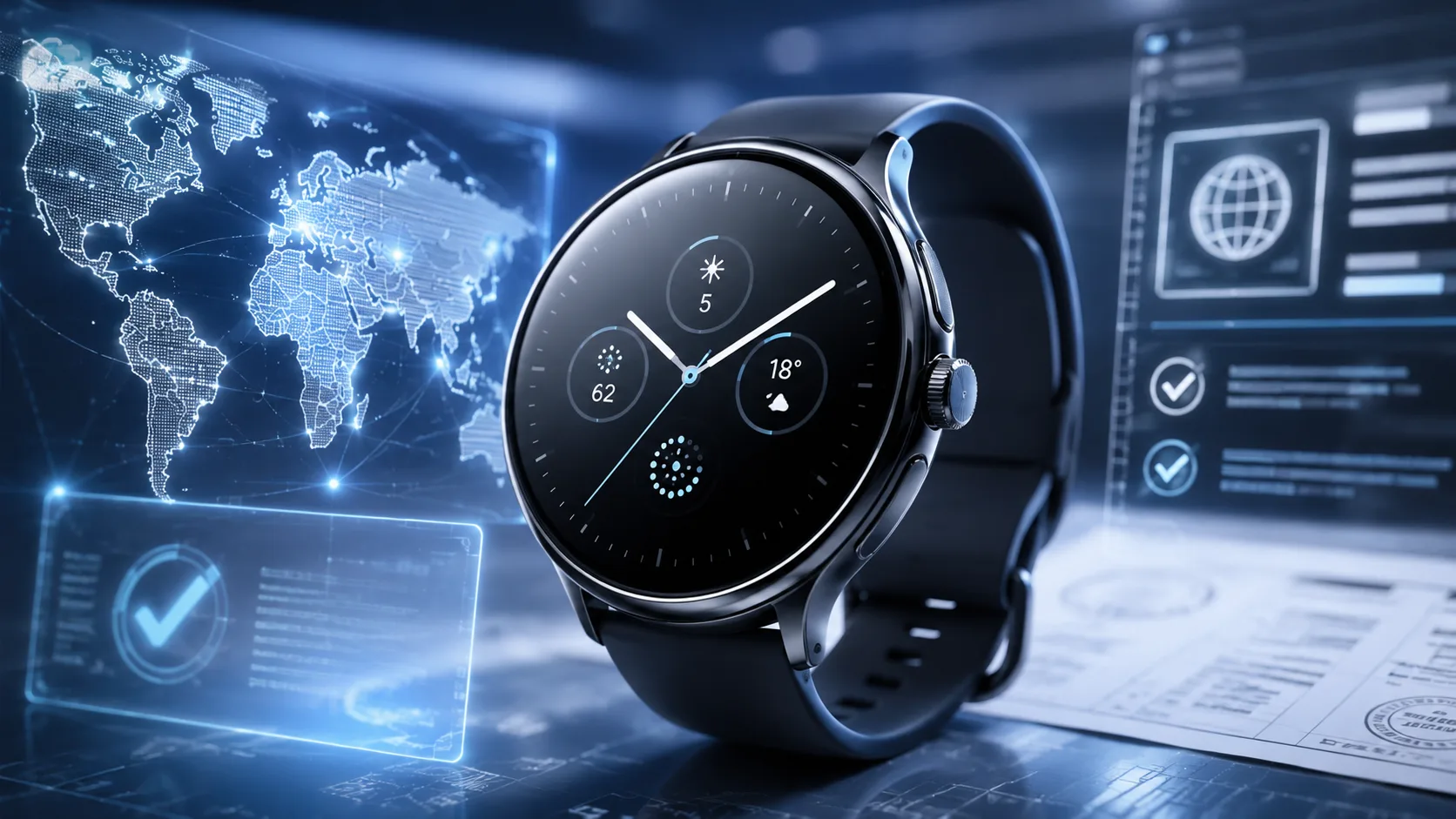
The Pixel Watch 5 leak is starting to feel less like random noise and more like the early soundtrack to Google’s next big wearable launch. After months of quiet speculation, the smartwatch has now appeared through international certification activity, giving the tech world one of its clearest signs yet that Google is moving its next-generation watch closer to market. Certification listings are never as flashy as a keynote teaser or a glossy promo video, but they matter because they usually show that a device has entered a more serious pre-launch stage. For gadget fans, this is the moment when a product stops being just a rumor and starts becoming something with model numbers, regional approvals, and a realistic launch window. That is why the latest Pixel Watch 5 leak has become a major conversation across the wearable tech space.
What makes this leak interesting is not only that the Pixel Watch 5 appears to be moving through global certification channels, but also that the device is arriving at a time when smartwatches are being asked to do much more than count steps. Users now expect a wearable to track sleep, help manage stress, support workouts, handle payments, mirror key phone features, and increasingly work as an AI-powered assistant on the wrist. Google already has a strong foundation with its Pixel Watch lineup, but the market has become brutally competitive. Apple keeps tightening its ecosystem, Samsung continues to expand its Galaxy Watch strategy, and smaller brands are pushing hard on battery life and health tracking. In that context, the Pixel Watch 5 is not just another refresh; it is a test of how serious Google is about owning the future of Wear OS smartwatches.
Why the Pixel Watch 5 Leak Matters Now
The timing of the Pixel Watch 5 leak matters because certifications often show up when a product is moving from internal development toward wider release preparation. These listings typically do not reveal every feature, and they almost never give away the full marketing story. Still, they can confirm that a device exists in multiple model variations, that it is being prepared for international availability, and that the company behind it is clearing regulatory steps before launch. For the Pixel Watch 5, the appearance of several model identifiers points toward Google preparing more than one version of the wearable. That strongly suggests a familiar strategy built around size options and connectivity choices.
This is important because Google’s smartwatch approach has been evolving from a cautious first step into a more confident hardware rhythm. The original Pixel Watch introduced Google’s vision for a rounded, polished, deeply Android-friendly wearable. Later generations improved performance, health tools, and battery confidence while strengthening the connection between Pixel phones, Fitbit services, and Wear OS. Now the Pixel Watch 5 appears to be heading toward the stage where Google can refine instead of reinvent. That kind of maturity can be powerful, especially if the company focuses on the features regular users actually notice every day.
The leak also lands during a broader shift in how people think about wearables. A few years ago, a smartwatch was often treated like a phone accessory with fitness extras. Today, it is closer to a personal dashboard that sits on the body all day and quietly collects context about movement, rest, alerts, habits, and health patterns. That means the Pixel Watch 5 will be judged on more than looks. It will need to feel useful in real life, not just impressive in a spec sheet.
What Global Certification Suggests About the Watch
Global certification activity usually points to a device entering a practical launch pipeline, but it does not mean every detail is final or public. In the case of the Pixel Watch 5, the appearance of multiple model numbers suggests Google may be preparing several configurations. The most obvious explanation is that the watch could come in two case sizes, with each size offered in Wi-Fi-only and cellular variants. That would line up with how premium smartwatches are usually sold, because some users want a lighter, more affordable model while others want LTE freedom for runs, commuting, and travel. Nothing is officially confirmed until Google says it, but the pattern is easy to read from a product strategy perspective.
A two-size strategy is especially important for a watch because comfort is not optional. A smartphone can be a little too large and still work for many people, but a watch has to sit on the wrist all day without becoming annoying. If Google continues with compact and larger size options, it can serve users who want a subtle everyday wearable and users who prefer a bigger screen with more battery room. That balance matters for fitness tracking, maps, message previews, and glanceable AI features. The Pixel Watch 5 leak therefore hints at a product that may continue Google’s attempt to make its wearable feel personal rather than one-size-fits-all.
Certification also reinforces the idea that the Pixel Watch 5 is being prepared for a broad audience, not a limited experiment. A global rollout matters because the wearable market depends heavily on ecosystem trust. Buyers want to know that accessories, repairs, software updates, bands, and cellular support will not feel like afterthoughts in their region. Google has spent years building hardware credibility through Pixel phones, earbuds, tablets, and watches. A stronger international launch would help the Pixel Watch 5 feel like a core Google product rather than a niche add-on.
Design Expectations: Familiar, Polished, and Safer
One of the biggest questions around the Pixel Watch 5 is whether Google will dramatically change the design or continue refining the same rounded identity. Based on the direction of recent leaks and Google’s existing design language, a familiar look seems very possible. That is not necessarily a bad thing, because the Pixel Watch line already has one of the most recognizable smartwatch silhouettes in the Android world. Its smooth circular face, minimal case styling, and soft glass curve give it a different personality from the more mechanical feel of many competitors. The challenge is making that design more practical without losing what makes it distinctive.
Google does not need to chase a radical redesign just to look new. Many successful wearables improve through small changes that users feel but do not immediately see in marketing images. Thinner bezels, better durability, improved haptics, brighter display output, refined charging, and more comfortable bands can all make a watch feel much better. If the Pixel Watch 5 keeps the same general look while solving pain points, that would be a smart move. A wearable is intimate hardware, and users often prefer dependable comfort over loud experimentation.
The bigger design story may be durability. Modern smartwatches are worn in gyms, rain, kitchens, offices, airports, and sometimes open water. Users expect them to survive scratches, sweat, impact, and everyday accidents without becoming fragile jewelry. If Google can improve resistance while keeping the premium look, the Pixel Watch 5 could become easier to recommend to active users. That matters for the wearable devices category, where trust often comes from how confidently a device handles real life.
The Real Battle Is Battery Life
For all the excitement around sensors, apps, and AI, battery life may still be the biggest deal for the Pixel Watch 5. A smartwatch can have a beautiful display and advanced features, but if users are constantly worrying about charging, the experience starts to feel limited. Google has improved its wearable formula over time, yet battery expectations keep rising across the entire market. Some users want a full day with sleep tracking included, while others want multi-day endurance without turning off the features they bought the watch for. The Pixel Watch 5 will need to answer that pressure clearly.
This is where hardware efficiency and software optimization become just as important as battery size. A more efficient wearable chip, smarter background processing, better display power management, and improved health tracking algorithms could all help extend real-world use. The goal should not simply be a bigger number on a product page. The goal should be confidence, where users can leave home in the morning, track a workout, receive notifications, use navigation, monitor sleep that night, and still not feel trapped by a charger. That kind of reliability is what turns a smartwatch from a cool gadget into a daily habit.
Battery life is also linked to trust in health features. If users skip sleep tracking because they need to charge at night, the watch loses part of its value. If they disable always-on display, workout tracking, or cellular to preserve power, the product feels compromised. Google has to find a balance between intelligence and endurance. The Pixel Watch 5 could stand out if it makes fewer users think about battery at all.
Health Tracking Could Define the Upgrade
Health tracking has become the emotional center of the smartwatch market. People may buy a watch for notifications or style, but they often keep using it because it helps them understand their body. Google’s connection with Fitbit gives the Pixel Watch series a strong advantage here, especially for sleep insights, activity tracking, heart data, and wellness trends. The Pixel Watch 5 has a chance to deepen that identity if it improves sensor accuracy, daily readiness insights, stress tracking, and workout recognition. For many buyers, better health tracking would matter more than a slightly faster app launcher.
The most valuable health features are the ones that explain information clearly. Raw numbers can be useful, but most users want guidance that feels understandable and actionable. If the Pixel Watch 5 can show why sleep quality dropped, how recovery is trending, whether stress patterns are changing, or how workouts are affecting energy levels, it becomes more than a passive tracker. It becomes a coach that fits into normal life. That is the direction wearables need to move in if they want to stay relevant beyond fitness enthusiasts.
There is also a privacy angle that Google cannot ignore. Smartwatches collect sensitive data, and users are becoming more aware of how personal that information is. Heart rate, sleep, stress, location, and activity patterns reveal a lot about someone’s daily life. Google will need to keep building confidence around data handling, controls, and transparency. A stronger Pixel Watch 5 health experience should not only be smarter; it should also feel respectful and secure.
AI on the Wrist Is the Bigger Trend
The Pixel Watch 5 is arriving in an era where AI is becoming the main story across nearly every gadget category. Phones are getting smarter assistants, laptops are adding local AI features, earbuds are becoming translation and productivity tools, and watches are slowly moving beyond simple notifications. For Google, this is a natural advantage because its ecosystem already leans heavily into AI services. The question is whether the Pixel Watch 5 can make AI feel useful on a tiny screen. That is harder than it sounds, because wrist-based AI needs to be fast, brief, and deeply contextual.
A smartwatch is not the place for long conversations or complex workflows. It is the place for quick answers, subtle reminders, smart summaries, and tiny decisions that save time. Imagine a watch that can summarize an incoming message thread, suggest a quick reply based on context, remind you to leave early because traffic changed, or explain your recovery status in plain English after a bad night of sleep. Those are the kinds of AI features that could actually belong on the wrist. If Google brings more intelligent, practical assistant behavior to the Pixel Watch 5, the device could feel meaningfully different even without a dramatic design shift.
The challenge is performance and battery balance. AI features can be power-hungry, and wearables have far less thermal and battery headroom than phones. Google may need to rely on a mix of on-device processing, phone-connected intelligence, and cloud support to make the experience smooth. Users will not care where the intelligence runs if the result feels instant and reliable. They will care if the watch becomes slower or dies faster because it is trying too hard to be futuristic.
Wear OS Needs a Strong Pixel Watch 5
The Pixel Watch 5 also matters because it represents the health of the broader Wear OS ecosystem. Google does not just sell a watch; it sets the tone for what Android smartwatches can become. When Pixel Watch hardware improves, it gives developers, accessory makers, and users more confidence in the platform. Samsung remains a major force in Wear OS, but Google’s own hardware carries symbolic weight. A strong Pixel Watch 5 would show that Google is still committed to making Wear OS feel modern, polished, and competitive.
Wear OS has improved significantly from its older, messier years, but it still needs consistency. Users want smoother apps, better watch faces, more reliable notifications, stronger fitness integrations, and faster updates. The Pixel Watch line gives Google a controlled device where it can show the best version of that experience. If the Pixel Watch 5 launches with cleaner software, tighter phone integration, and more useful Google services, it could raise expectations for the entire Android wearable market. That would benefit more than just Pixel fans.
The app experience will be especially important. Smartwatch apps have always faced a tough reality because many people do not want to browse menus on a tiny display. The best wearable apps do one or two things extremely well. They open quickly, show the right information, and get out of the way. If Google can make the Pixel Watch 5 feel faster and more direct, Wear OS will feel less like a phone squeezed onto the wrist and more like a platform built for glanceable living.
How the Pixel Watch 5 Could Compete With Apple and Samsung
The Pixel Watch 5 will not launch into an empty room. Apple continues to dominate the premium smartwatch conversation, especially among iPhone users who want a seamless ecosystem. Samsung remains the strongest Android-side rival with multiple watch models, durable designs, and deep Galaxy phone integration. Google sits in a unique middle position because it controls Android, Wear OS, Pixel hardware, Fitbit services, and AI software. That gives the Pixel Watch 5 a chance to compete through intelligence and integration rather than simply matching every spec.
Apple’s strength is ecosystem lock-in and polish. Samsung’s strength is variety and hardware maturity. Google’s strength should be context. A Pixel Watch should understand Google apps, Android notifications, voice input, maps, payments, health data, and AI assistance in a way that feels natural. If the Pixel Watch 5 can make daily moments easier, it does not need to copy Apple or Samsung feature by feature. It needs to become the most useful watch for people already living inside Google’s world.
Price will also shape the competition. Premium wearables are not impulse buys for most people, especially when many already own a working smartwatch. Google needs to make the Pixel Watch 5 feel like a meaningful upgrade, not just a polished repeat. Better battery life, stronger sensors, smarter AI features, and improved durability would help justify the purchase. Without those improvements, some buyers may wait for discounts or stick with older models.
What Buyers Should Watch Before Launch
Anyone interested in the Pixel Watch 5 should pay attention to a few key details as more leaks and official information appear. The first is battery life, because it affects almost every part of the experience. The second is chip choice, since performance and efficiency will influence how smooth the watch feels over time. The third is sensor hardware, especially if Google wants to make health tracking a major upgrade story. The fourth is pricing, because the wearable market is crowded and buyers have plenty of alternatives.
Size and connectivity options will also matter. A smaller Wi-Fi model may appeal to users who want something light, clean, and affordable. A larger cellular model may be better for runners, commuters, and users who want to leave their phone behind more often. Band compatibility is another practical detail because people who already own Pixel Watch accessories will want to know whether they can keep using them. These everyday concerns often matter more after launch than the headline features that dominate early coverage.
Software support should be part of the buying decision too. A smartwatch is not only hardware; it is a long-term service device that depends on updates, app support, and ecosystem improvements. If Google continues pushing Wear OS forward, the Pixel Watch 5 could become better over time. That long-term value is important for users who do not upgrade every year. A watch that receives meaningful updates can stay useful long after the launch hype fades.
The Bigger Impact on Gadget Trends
The Pixel Watch 5 leak fits into a larger gadget trend where wearables are becoming more personal, more intelligent, and more connected to daily routines. The smartwatch is no longer just a mini phone on the wrist. It is becoming a sensor hub, a wellness companion, a notification filter, a payment tool, a navigation shortcut, and potentially an AI assistant that understands context before the user even asks. This is why companies are investing so heavily in wearables despite the category feeling mature. The next wave is not about adding random features; it is about making the device feel quietly essential.
Google has a special role in this shift because it can connect hardware, software, search, maps, health platforms, and AI services. If those pieces come together well, the Pixel Watch 5 could show what the next generation of Android wearables should feel like. If they remain fragmented, the watch may still be good, but it will miss the chance to define the category. That is the pressure behind this launch. Google is not just trying to release another smartwatch; it is trying to prove that its ecosystem can be as seamless on the wrist as it is on the phone.
The impact could also reach app developers and accessory brands. A successful Pixel Watch 5 would create more incentive to build better Wear OS experiences, from fitness apps to productivity tools. More users would mean more attention, more accessories, and stronger platform momentum. That is how a single flagship wearable can influence an entire category. The certification leak may look small, but it points toward a device that could carry much bigger ecosystem consequences.
Practical Insight: Who Should Care About This Leak?
The Pixel Watch 5 leak is most important for three types of people. First, current Pixel Watch owners should care because it gives an early signal that an upgrade path is coming. If they are dealing with battery frustration, performance limits, or aging hardware, they may want to wait before buying another wearable. Second, Android users who have never bought a smartwatch should care because the Pixel Watch 5 could become one of the cleanest entry points into Wear OS. Third, tech buyers comparing Apple, Samsung, Garmin, and Google should care because this launch may shift the balance in premium wearables.
That said, nobody should treat certification leaks as final product confirmation for every feature. They are useful signals, not complete reviews. The smartest move is to watch for official details around battery claims, supported regions, health features, processor information, and software support. It is also worth waiting for real-world testing after launch, because smartwatch performance can vary heavily depending on how people use it. A spec sheet cannot always predict how a watch feels after a week of workouts, sleep tracking, alerts, and charging routines.
For buyers who already like the Pixel ecosystem, the Pixel Watch 5 is shaping up to be one of the most important devices to watch this year. It could make the Pixel lineup feel more complete and more competitive. It could also show whether Google has learned from earlier generations and is ready to deliver a more mature wearable. The leak does not answer every question, but it gives enough reason to pay attention.
Conclusion: Pixel Watch 5 Is Getting Real
The Pixel Watch 5 leak through global certification is not the loudest kind of gadget news, but it may be one of the most meaningful early signs of Google’s next wearable move. Certification activity suggests the device is advancing through the practical steps that usually happen before a wider launch. Multiple model identifiers point toward a familiar mix of sizes and connectivity options, while the broader market context makes this watch feel more important than a simple annual refresh. Google is entering a wearable moment shaped by AI, health tracking, battery pressure, and ecosystem loyalty. The Pixel Watch 5 will need to deliver on all of those fronts if it wants to stand out.
For now, the smartest read is cautious excitement. The Pixel Watch 5 appears to be moving closer, but the most important details still need official confirmation. If Google improves battery life, strengthens health tracking, adds practical AI features, and keeps the design polished, this could become the most complete Pixel Watch yet. If the upgrades are too small, the device may struggle to convince users who already own a recent smartwatch. Either way, the latest Pixel Watch 5 leak makes one thing clear: Google’s next wearable is no longer just a rumor floating around the tech world; it is starting to look like a real product getting ready for the global stage.