
Pixel and iPhone 17 Deals Heat Up June
 Vortixel
15 minutes read
Vortixel
15 minutes read
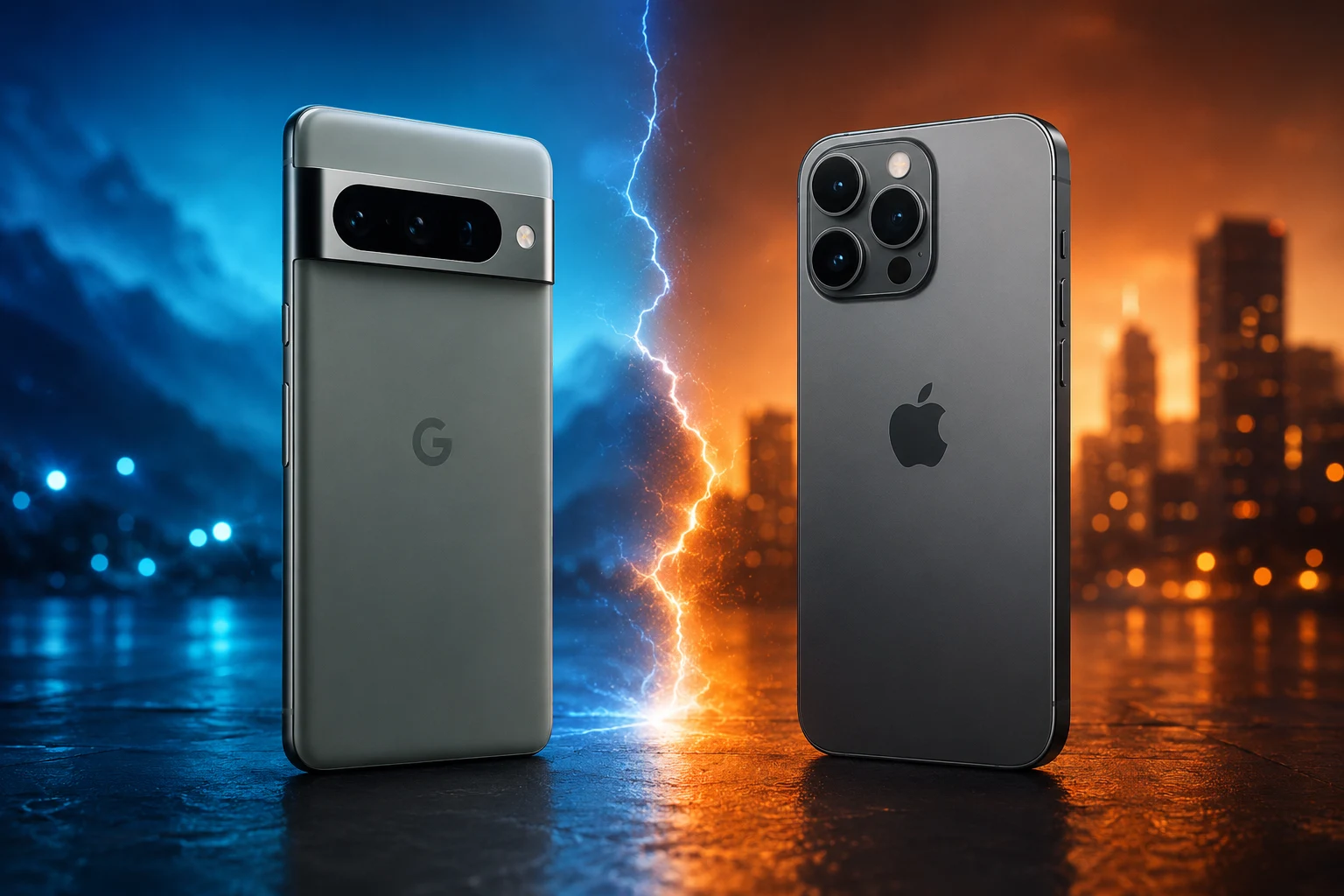
Pixel and iPhone 17 deals are turning June into one of the most intense smartphone shopping moments of the year, and the timing feels almost too perfect. Just when shoppers start thinking about summer upgrades, carriers and retailers begin throwing aggressive trade-in credits, plan bundles, and limited-time discounts into the market. This is not just another routine sale cycle where older devices quietly drop in price while everyone waits for the next launch. This time, Google’s Pixel lineup and Apple’s iPhone 17 family are sitting closer together in the same conversation, forcing buyers to compare not only specs, but also long-term value, ecosystem comfort, camera performance, AI features, and the real cost hidden behind monthly payments. For Gadget Vortixel readers, the bigger story is not simply that phones are cheaper in June, but that the smartphone market is becoming a battlefield where loyalty is being tested harder than ever.
The June discount wave feels different because the modern phone buyer is more skeptical than before. People are no longer impressed by a shiny launch event alone, especially when last year’s flagship still runs fast, shoots clean photos, and handles everyday tasks without drama. A discount now needs to feel meaningful, not cosmetic, because users are paying attention to trade-in requirements, activation fees, contract length, and whether the “free phone” label actually means free. That is why Pixel and iPhone 17 deals have become such a strong SEO-worthy topic: shoppers are actively searching for clarity in a crowded, noisy market. The real question is no longer “which phone is best,” but “which phone makes the most sense after the discount math is finished.”
Why Pixel and iPhone 17 Deals Matter in June
June is a strategic month for smartphone deals because it sits between major tech announcements, summer shopping habits, and the early build-up toward the next holiday sales season. Retailers want attention before back-to-school promotions get crowded, while carriers want to lock customers into premium plans before competitors get louder. For Apple, iPhone 17 deals help keep the newest iPhone family visible and desirable, especially among users who may be holding an iPhone 14, iPhone 15, or iPhone 16 and wondering whether the upgrade is finally worth it. For Google, Pixel discounts are a way to keep pressure on Apple by making camera quality, Android AI features, and clean software feel more affordable. The result is a June phone war where both sides are not only selling hardware, but also selling the feeling that switching or upgrading right now is smarter than waiting.
The Pixel side of the story is built around value, flexibility, and Google’s AI-first identity. Pixel phones have spent years building a reputation for computational photography, fast Android updates, and practical software features that feel useful instead of flashy. When discounts hit, that value message becomes much stronger because buyers can get a flagship-style experience without paying the kind of premium that usually comes with Apple’s ecosystem. Google’s challenge is convincing people that a lower price does not mean a weaker phone, especially when Pixel devices now compete directly in areas like camera processing, spam protection, voice tools, and generative AI workflows. In June, that argument becomes easier because a discounted Pixel can look less like a compromise and more like a smart move.
The iPhone 17 side is powered by brand gravity, ecosystem lock-in, and the simple fact that many buyers still trust Apple as the default premium choice. Even when discounts come through carriers instead of direct price cuts, they can change the psychology of the purchase quickly. A shopper who would normally ignore a new iPhone because of its full retail price may suddenly reconsider when a trade-in credit brings the monthly cost down to something that feels manageable. That is why iPhone 17 promos matter so much in June: they lower the emotional barrier to entry without weakening Apple’s premium image. Apple does not need to look cheap, but its partners can make the device feel more reachable.
The Real Battle Is Not Just Price
At first glance, the June discount battle looks like a simple price war, but that misses the bigger shift happening underneath. Smartphone brands are no longer competing only on megapixels, battery size, or processor speed, because most premium phones already feel fast enough for daily life. The real battle is now about who can make the upgrade feel necessary in a market where consumers are keeping phones longer. Discounts help create urgency, but the deeper selling point is convenience, ecosystem comfort, and the promise that a new phone will make everyday routines smoother. That is where Pixel and iPhone 17 deals become more than shopping news; they become a sign of where the entire smartphone industry is headed.
For Pixel, the strongest angle is how much Google can pack into the experience without making the phone feel complicated. Features like smarter call handling, cleaner photo edits, AI summaries, language tools, and search-powered convenience help Pixel stand out in a market filled with similar glass rectangles. A discount makes those features easier to try, especially for users who are curious about Android but nervous about leaving iMessage, FaceTime, AirDrop, or Apple Watch support behind. Google’s best chance in June is not just to win existing Android users, but to tempt iPhone users who are tired of high upgrade costs. A heavily discounted Pixel can become the phone that makes someone finally ask whether the Apple ecosystem is worth staying locked into.
For iPhone 17, the strongest angle is trust, polish, and continuity. Apple rarely needs to explain why people should care about the iPhone because the product already lives inside a familiar lifestyle loop. Photos sync to iCloud, messages stay blue, AirPods connect instantly, Apple Watch tracks health data, and app support remains consistent across years. When discounts enter that equation, Apple becomes even harder to resist because buyers can stay inside their comfort zone while feeling like they got a deal. That is why the iPhone 17 does not need to beat Pixel on every spec sheet line to win June; it only needs to make upgrading feel safe, smooth, and financially reasonable.
How Carrier Deals Shape the Smartphone War
Carrier deals are the engine behind many June smartphone discounts, but they are also the part buyers need to understand carefully. A phone advertised as free or heavily discounted often depends on trade-ins, eligible unlimited plans, monthly bill credits, new line activations, or a multi-year commitment. That does not make the deal bad, but it does mean the real value depends on whether the plan fits your life. A shopper who already wants a premium unlimited plan may benefit from a huge discount, while someone who prefers a cheap prepaid plan might spend more over time just to chase a lower device price. The smartest buyers in June are not the ones who grab the biggest headline discount, but the ones who calculate total ownership cost before choosing.
This is where Pixel often has an advantage with unlocked-phone shoppers and deal hunters. Pixel devices tend to receive strong discounts from retailers, online marketplaces, and carrier promotions, giving buyers more ways to save without always entering the most expensive plan tier. That flexibility matters for people who want control over their monthly bills or prefer switching carriers when better offers appear. It also helps users who care more about the phone than the bundle, especially if they already have earbuds, a smartwatch, or a tablet and do not need extra devices added to the plan. In a deal-heavy month like June, flexibility can be just as valuable as a flashy discount number.
The iPhone 17, however, plays a different game because carrier partners know Apple devices are powerful customer magnets. A strong iPhone promotion can convince someone to switch networks, add a family line, or commit to a premium plan for several years. That makes carriers more willing to attach aggressive credits, gift cards, device bundles, or upgrade incentives to the iPhone 17 family. The catch is that these offers often reward people who are already comfortable paying for a broader wireless package. For loyal Apple users with older trade-in devices, this can still be a great moment, but it demands careful reading before clicking the checkout button.
Pixel’s Advantage: AI, Camera, and Value
The Pixel lineup has become the phone family most closely associated with practical AI, and that matters more than ever in 2026. Many brands talk about artificial intelligence, but Pixel’s strength is that its features often show up in everyday situations that regular users actually understand. Cleaner photos, smarter replies, call assistance, voice transcription, spam filtering, and image editing tools can feel more useful than abstract promises about future AI. When those features are attached to a discount, the Pixel becomes especially attractive to buyers who want modern software without paying a luxury premium. This makes Google’s phone strategy feel less like a spec race and more like a utility pitch.
Camera performance remains one of Pixel’s biggest emotional selling points. People may talk about processors and refresh rates, but photos are still what make a phone feel personal. Pixel devices are known for producing sharp, balanced, social-ready images with minimal effort, especially in tricky lighting where casual users do not want to manually adjust settings. That matters in June because summer is filled with travel, concerts, food shots, family gatherings, and random moments people want to capture quickly. A discounted Pixel becomes easier to justify when buyers imagine better photos without needing to carry a separate camera or pay flagship launch pricing.
Value is the final piece of Pixel’s June argument, and it may be the most important one. In a market where premium smartphones can feel financially exhausting, Pixel deals give buyers permission to care about price without feeling behind the curve. That is especially relevant for students, creators, freelancers, and young professionals who want a strong camera, reliable battery life, and smart software but do not want their phone bill to eat their budget. Pixel does not need to be the status symbol of the room if it becomes the smartest purchase in the room. That is a powerful position during a month when every brand is trying to look like the better deal.
iPhone 17’s Advantage: Ecosystem and Resale Value
The iPhone 17’s biggest advantage is not only its hardware, even if the device brings expected upgrades in performance, display quality, cameras, battery efficiency, and software experience. Its real power comes from the ecosystem surrounding it. A person who already owns AirPods, an Apple Watch, a MacBook, or an iPad is not just buying a phone; they are buying continuity. That continuity has emotional value because it removes friction from daily life and makes switching feel inconvenient. When June discounts reduce the upfront pain of buying into that ecosystem again, Apple’s position becomes extremely strong.
Resale value is another reason iPhone 17 deals deserve attention. iPhones generally hold value well compared with many Android phones, which makes the long-term cost easier to defend even when the upfront price looks high. A buyer who upgrades every few years may recover more money from an older iPhone trade-in than from many competing devices. This creates a cycle where Apple users keep upgrading within Apple because their current phone helps fund the next one. In June, strong trade-in offers amplify that pattern and make the iPhone 17 feel less expensive than the sticker price suggests.
Apple also benefits from buyer confidence around software support, accessory availability, and app optimization. Even users who are not deep tech fans know that iPhones tend to receive updates for years, work smoothly with popular apps, and get endless accessory options from cases to chargers to mounts. That confidence matters when a shopper is choosing a device they may keep for three, four, or even five years. A June discount does not just make the iPhone 17 cheaper; it makes a long-term purchase feel safer. For many buyers, that peace of mind is worth more than a slightly better deal elsewhere.
What This Means for Everyday Buyers
For everyday shoppers, the June discount war is good news, but it also creates more decision fatigue. There are too many offers, too many plan names, too many trade-in tiers, and too many phrases that sound simple until the fine print appears. The best approach is to start with your actual needs instead of starting with the biggest discount. If you care about Android flexibility, AI tools, fast photo editing, and lower total cost, Pixel deserves serious attention. If you care about Apple services, long-term resale value, premium accessories, and smooth device continuity, the iPhone 17 may still be the better upgrade.
Budget should also be viewed as a long-term number, not just a checkout number. A phone that costs less today can become expensive if it forces you into a plan you do not need. A premium phone that looks expensive can become reasonable if trade-in credits, resale value, and software longevity work in your favor. This is why shoppers should compare unlocked pricing, carrier pricing, plan costs, trade-in value, and upgrade rules before making a final decision. The best June smartphone deal is not the loudest deal; it is the one that still makes sense six months later.
There is also a lifestyle factor that many spec comparisons ignore. Pixel may fit users who enjoy Google services, cloud-first workflows, smart photo tools, Android customization, and experimenting with new AI features. iPhone 17 may fit users who want a polished experience, strong video performance, easy accessory support, and seamless connections with other Apple devices. Neither choice is automatically better for everyone, which is why the June discount battle feels so interesting. It pushes buyers to think less like fans and more like smart consumers.
The Trend: Premium Phones Are Becoming Negotiable
The bigger trend behind Pixel and iPhone 17 deals is that premium smartphones are becoming more negotiable than they used to be. Brands still launch phones with high price tags, but the real market quickly becomes shaped by trade-ins, carrier credits, online discounts, and seasonal promos. That means the official price is only one version of the story, while the actual buying price changes depending on timing and strategy. For consumers, this creates power, because waiting for the right window can unlock meaningful savings. For brands, it creates pressure, because even premium devices now need promotional energy to stay competitive.
This trend also shows how mature the smartphone market has become. In the early smartphone era, each upgrade felt dramatic because screens were improving quickly, cameras were evolving fast, and apps were changing how people lived. Now, improvements are more refined, which means companies need stronger reasons to make people upgrade. Discounts become part of that reason, but they are not enough on their own. The phone still has to promise better photos, smarter software, longer battery life, stronger durability, or a smoother daily experience. June’s deal war proves that even the biggest brands must work harder to turn curiosity into purchases.
For the wider Smartphone category, this discount wave may influence how buyers behave for the rest of the year. People who see strong June deals may become less willing to pay full price during future launches. They may wait for trade-in promos, seasonal events, or carrier bundles before making a move. That could push brands to treat discounts not as rare exceptions, but as part of the normal sales rhythm. In other words, June is not just a shopping moment; it is a preview of how premium phone buying may work going forward.
Practical Buying Tips Before You Upgrade
Before choosing between Pixel and iPhone 17, buyers should make a short personal checklist. First, decide whether you want to stay with your current mobile operating system or are genuinely open to switching. Second, calculate the full cost of the deal, including plan changes, activation fees, taxes, device protection, and how long credits take to apply. Third, check your trade-in device condition honestly, because a cracked screen or battery issue can reduce the value quickly. Fourth, compare storage needs carefully, because a cheaper model with too little storage can become frustrating after a year of photos, videos, games, and apps.
Buyers should also think about timing. June deals can be strong, but not every discount is automatically the lowest price of the year. Some shoppers may get better value during back-to-school events, holiday sales, or major shopping weekends, depending on the device and carrier. However, waiting only makes sense if your current phone still works well and you are not missing features you need now. If your battery is failing, your camera feels outdated, or your device no longer receives reliable updates, a strong June deal can be a practical upgrade window rather than an impulse buy.
Another smart move is to avoid buying based only on monthly payment language. A phone that costs a few dollars per month may still be tied to a long contract or a premium plan that increases your total bill. On the other hand, an unlocked phone with a higher upfront price may give you more freedom and lower monthly service costs. This is especially important for Pixel shoppers who may find strong unlocked discounts and for iPhone 17 shoppers comparing carrier credits against direct purchase options. The cleanest deal is usually the one you can explain to yourself in one simple sentence.
Conclusion: June Belongs to Smart Shoppers
The June battle between Pixel and iPhone 17 is not just about two popular phone families dropping into the same discount conversation. It is about a changing smartphone market where buyers have more leverage, brands have to fight harder, and premium devices need stronger value stories. Pixel and iPhone 17 deals show how Google and Apple are approaching the same pressure from different angles: Google leans into AI, camera value, and flexible pricing, while Apple leans into ecosystem strength, trust, and trade-in power. Both strategies can win, depending on the buyer standing in front of the checkout page. The smartest move is not to pick a side blindly, but to understand which deal fits your budget, habits, and next three years of phone use.
If June proves anything, it is that the best smartphone purchase now belongs to people who compare carefully. A discounted Pixel can be a brilliant choice for users who want modern AI tools, strong photography, and better value without feeling trapped by premium pricing. A discounted iPhone 17 can be just as compelling for users who want a refined ecosystem, long-term support, and high resale value. The winner is not only Google or Apple, because the real winner is the buyer who refuses to be distracted by flashy labels and reads the deal properly. In a month full of bold promotions, the smartest upgrade is the one that still feels right after the hype fades.