OnePlus N6 Battery Makes Power the Main Event
 Vortixel
14 minutes read
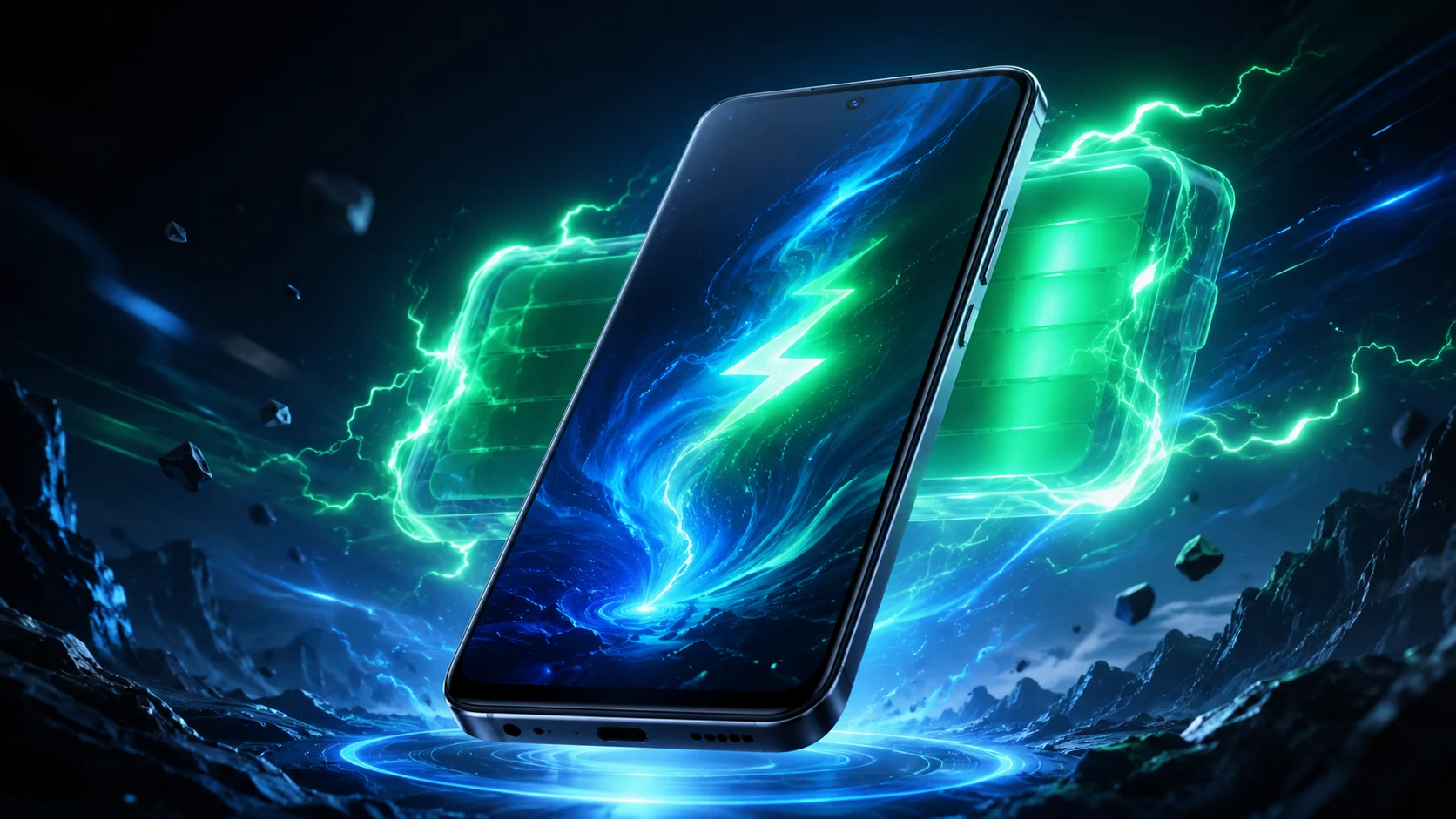
The OnePlus N6 battery story lands at a moment when smartphone fatigue is very real. For years, phone launches have tried to win attention with sharper cameras, brighter screens, thinner bodies, and louder AI promises, but everyday users still keep asking the same basic question: will this thing last until I get home? That is why the OnePlus N6 feels interesting before anyone even talks about benchmarks or camera samples. With an 8,000mAh battery sitting at the center of the conversation, this phone is not trying to whisper its main selling point. It is walking straight into the crowded midrange market and saying that endurance can be just as exciting as raw speed.
That positioning matters because the midrange smartphone space has become one of the most competitive corners of consumer tech. Buyers in this segment are not just looking for something cheap; they want a device that can survive school, work, gaming, streaming, social media, content creation, navigation, and late-night scrolling without feeling like a compromise. OnePlus has spent years building a reputation around performance and clean software, but the N6 seems to push a more practical message. Instead of focusing only on how fast a phone can open apps, it focuses on how long users can stay unplugged. For a generation that lives online almost nonstop, that shift feels more relevant than another tiny spec bump.
Why the OnePlus N6 Battery Is the Main Story
The headline feature is clearly the massive 8,000mAh battery, and that number is not just there for marketing drama. Most mainstream smartphones still sit far below that capacity, especially when brands are chasing slimmer designs and lighter bodies. By putting battery size front and center, the OnePlus N6 changes the way people may judge value in its price range. A bigger battery can mean fewer charging breaks, less battery anxiety, and more confidence for users who treat their phone like a full-time tool. That makes the OnePlus N6 battery a practical feature, not just a flashy line on a spec sheet.
The appeal becomes even clearer when you think about how phones are actually used today. A student might leave home in the morning, attend classes, record notes, stream music, use maps, chat all day, watch videos, play games, and still need enough charge left for the ride home. A gig worker may depend on GPS, mobile data, calls, payment apps, and messaging for hours without easy access to a wall charger. A creator may film short videos, edit clips, check analytics, and upload content while moving between locations. In all of those situations, battery life is not a bonus feature; it is the difference between a phone that supports the day and a phone that interrupts it.
OnePlus appears to understand that the next big smartphone flex may not be about being the thinnest or the most camera-heavy. There is a growing space for phones that feel reliable, tough, and tuned for real-world use rather than showroom perfection. The N6 leans into that space by presenting battery endurance as a core identity. That does not mean design, display, and performance suddenly stop mattering, but it does mean the phone starts from a very practical foundation. In a market where many devices feel similar, making battery life the weapon gives the N6 a clear personality.
A Midrange Phone Built Around Daily Pressure
The OnePlus N6 is especially interesting because it does not arrive as a luxury flagship with an unreachable price tag. It is aimed at buyers who care deeply about value, which makes the battery-first approach even smarter. In the midrange category, users usually have to choose between performance, camera quality, display polish, software support, and battery life. A phone that brings an unusually large battery into that conversation can instantly stand out. It gives people a simple reason to pay attention before they get lost in the usual ocean of model names and nearly identical designs.
This is also where OnePlus can use its brand identity effectively. The company has long been associated with enthusiast-friendly devices, clean Android experiences, and a sense of speed. The N6 does not need to beat every premium phone in raw power to feel meaningful. It only needs to deliver the kind of balance that makes users feel like they got more than expected for the money. If the phone pairs its huge battery with smooth software, a dependable display, and reasonable performance, it could become one of those devices people recommend simply because it makes daily life easier.
The addition of a high-refresh display also fits the modern expectation for midrange phones. A 120Hz panel can make scrolling, animations, and supported games feel smoother, which matters because users notice fluidity quickly. It also helps the N6 avoid the image of being only a “big battery phone” with everything else treated as secondary. That balance is important because battery-focused devices in the past sometimes came with bulky designs or weak overall experiences. The OnePlus N6 needs to prove that endurance can come with polish, not at the cost of it.
Battery Life Is Becoming a Lifestyle Feature
Battery life used to be discussed like a technical specification, but now it has become a lifestyle feature. People do not just want more milliamp-hours because they enjoy big numbers. They want freedom from constantly checking the battery icon before leaving a cafe, joining a meeting, starting a game, or recording a video. The OnePlus N6 taps into that emotional side of phone ownership. It understands that a longer-lasting phone can feel calmer, more dependable, and more ready for messy real life.
This shift is happening because smartphones are carrying more of the day than ever before. Banking, entertainment, messaging, travel, work, learning, photography, shopping, and personal organization are all packed into one device. When that device dies, the inconvenience feels bigger than it did ten years ago. A phone with a massive battery does not just extend screen time; it reduces friction across the entire day. That is why the N6’s battery strategy could connect with users who are tired of planning their routine around chargers.
There is also a cultural angle here, especially for younger buyers. Gen Z users are often described as always connected, but that phrase can sound empty until you look at the way phones move through their lives. A single device may be used for studying, side hustles, group chats, short-form video, gaming, music, personal branding, and instant payments. Running out of power in that context is not just annoying; it can cut off productivity, entertainment, and social connection at the same time. A strong battery promise speaks directly to that reality without needing a complicated marketing explanation.
The Bigger Trend Behind the OnePlus N6
The OnePlus N6 also reflects a wider trend in smartphone design: practical endurance is coming back into focus. For a while, the industry seemed obsessed with shaving off millimeters, reducing weight, and making devices feel impossibly sleek. That approach made phones look premium, but it also created tension around battery size, heat, repairability, and long-term comfort. Now, more buyers seem willing to accept a slightly more substantial phone if it means better battery life. The N6 fits that mood by suggesting that practical power may be the next big form of premium.
This is not just about OnePlus competing with other phone brands on one specification. It is about the midrange market becoming more serious and more demanding. Buyers in this space follow launches, compare specs, read reviews, watch battery drain tests, and know when a brand is cutting corners. A bigger battery is easy to understand, but it also creates higher expectations for charging speed, thermal control, software optimization, and long-term battery health. If the N6 wants to turn attention into trust, the full experience needs to support the big number on the box.
That makes software especially important. A large battery can be wasted if background apps drain power aggressively or if the system is poorly optimized. OxygenOS has usually been one of OnePlus’s strongest identity points, and users will expect the N6 to feel smooth, responsive, and light enough to make the most of its hardware. Good battery life is not only created by capacity; it is also shaped by display behavior, processor efficiency, app management, network performance, and charging habits. The best version of this phone will be one where the battery feels huge in daily use, not just on paper.
What This Means for Gaming, Streaming, and Creators
The OnePlus N6 could be especially appealing to users who treat their phone as an entertainment machine. Mobile gaming, video streaming, and social content creation can drain batteries quickly, particularly when high brightness, mobile data, and high-refresh displays are involved. A larger battery gives users more room to enjoy those activities without constantly negotiating with power-saving mode. For casual gamers, that could mean longer sessions without carrying a power bank everywhere. For streamers and video-heavy users, it could mean more confidence when watching content during travel, breaks, or long commutes.
Creators may find the battery angle even more important because recording and editing content can be brutal on a phone. Filming clips, switching between camera modes, uploading files, checking comments, and using creator tools can create a heavy workload. A phone that lasts longer gives creators more flexibility when they are away from a desk setup. It also reduces the need to stop in the middle of a shoot just to find a charger. In that sense, the N6 is not only a phone for passive consumption; it could also support users who create, publish, and manage their digital presence from the same device.
Still, battery size alone will not automatically make the N6 a gaming beast or a creator-first device. Performance, storage speed, thermal stability, camera processing, microphone quality, and display resolution all matter depending on the use case. The phone’s real strength may be in giving mainstream users more stamina rather than chasing hardcore flagship-level performance. That is not a weakness if the pricing and experience are aligned properly. For many people, a dependable phone that lasts longer is more valuable than a phone that wins benchmarks but needs a charger by dinner.
The Design Challenge of an 8,000mAh Phone
One of the biggest questions around the OnePlus N6 is how it handles the physical reality of such a large battery. Bigger batteries can affect weight, thickness, grip comfort, heat distribution, and overall balance in the hand. A phone can have amazing endurance and still feel awkward if the design is not carefully managed. That is why the N6’s success will depend on more than the capacity number. Users will want to know whether it feels like a normal modern smartphone or like a power bank with a screen attached.
Design is especially important because younger buyers often care about both function and style. A phone can be practical and still needs to look clean, modern, and shareable. OnePlus has usually understood the importance of visual identity, and a flagship-inspired design could help the N6 avoid looking like a purely utilitarian device. The challenge is to make the battery feel like an upgrade rather than a burden. If OnePlus manages that balance, the N6 could make large-battery phones feel more mainstream and less niche.
Durability also becomes part of the story because a phone built for long days should be able to handle long days physically. Users who want huge battery life are often the same users who take their phone everywhere and use it heavily. That means the frame, buttons, display protection, charging port, and thermal design all matter in everyday reliability. A device that promises endurance should not feel fragile. The N6 has a chance to turn battery life into a broader message about toughness and daily confidence.
How OnePlus Could Pressure Rivals
If the OnePlus N6 finds strong traction, rival brands may have to respond quickly. The midrange market moves fast, and one standout feature can shift buyer expectations almost overnight. Once users start seeing 8,000mAh as possible in a modern phone, smaller batteries may feel less impressive unless competitors offer clear advantages elsewhere. That pressure could push more brands to explore larger cells, better charging bundles, and stronger optimization. In the long run, the N6 may help make battery life a more aggressive battleground.
This would be good news for consumers because battery competition is one of the most useful forms of smartphone competition. Faster chips are nice, but many people do not fully use the extra power in daily life. Extra camera modes are fun, but not everyone shoots professional content from a phone. Longer battery life, however, benefits almost everyone. That is why this launch feels relevant beyond OnePlus fans and beyond the Smartphone category itself.
There is also a branding advantage in owning a simple message. In a market full of confusing model names and overlapping specs, “the OnePlus with the huge battery” is easy to remember. That kind of clarity can be powerful, especially online where first impressions move fast. A strong identity makes the phone easier to talk about, compare, and recommend. The N6 may not need to be perfect to create momentum; it just needs to be memorable and genuinely useful.
Practical Buying Insight Before the Hype Wins
For buyers, the OnePlus N6 should be judged with both excitement and caution. The 8,000mAh battery is clearly the star, but a smart purchase decision still needs to look at the full package. Display quality, real charging speed, camera results, software updates, performance under pressure, and comfort in the hand all matter. A large battery can make a phone easier to live with, but it cannot fix every weakness if other areas feel undercooked. The best move is to treat the battery as the beginning of the conversation, not the entire conversation.
Potential buyers should also think honestly about their own usage. If you are a light user who mostly checks messages, browses casually, and charges every night, the huge battery may feel nice but not life-changing. If you travel often, game heavily, stream for hours, use navigation daily, or hate carrying a charger, the N6 becomes much more interesting. Battery-focused phones deliver the most value when they match a real behavior pattern. The N6 looks designed for people who push their phones hard and want fewer interruptions.
It is also worth paying attention to charging habits. A larger battery can take longer to fill if charging speed is not strong enough, but it may also need fewer full charges across the week. That can change the rhythm of ownership in a good way. Instead of constantly topping up throughout the day, users may charge overnight or during a longer break and then stop thinking about it. That mental freedom is part of the value that spec sheets often fail to capture.
Why This Launch Feels Bigger Than One Phone
The OnePlus N6 feels like more than another midrange launch because it speaks to a frustration people understand instantly. Nobody needs a long explanation of why better battery life matters. Everyone has watched their phone drop to five percent at the worst possible moment, whether during a ride, a concert, a meeting, or a late-night trip home. That shared experience gives the N6 a surprisingly emotional hook. It promises less panic, fewer charging rituals, and more time actually using the device.
That is why the phone could connect with users even if they are not hardcore tech fans. A huge battery is easy to explain to a parent, a student, a gamer, a traveler, or someone buying a phone for work. It turns a complex product into a simple promise: this should last longer. In a category often dominated by technical noise, simplicity can be refreshing. OnePlus may have found a way to make a midrange device feel bold without needing to pretend it is a flagship killer.
At the same time, the N6 will still need to prove itself in real-world testing. Battery claims always sound better before reviewers start pushing brightness, cameras, gaming, 5G, and navigation. The difference between a big battery and great battery life comes down to how the full system behaves. If the phone delivers consistently strong endurance without feeling bulky or slow, OnePlus will have a serious talking point. If not, the 8,000mAh figure may become impressive but incomplete.
Conclusion: Battery Becomes the New Flex
The OnePlus N6 arrives with a clear mission: make battery life feel exciting again. Its 8,000mAh capacity gives the phone a strong identity in a market where many midrange devices blur together. More importantly, it addresses a real need for users who rely on their phones from morning to night without wanting to plan every move around a charger. The OnePlus N6 battery is not just a specification; it is the feature that shapes the entire story of the device. If OnePlus backs that promise with balanced performance, smooth software, and comfortable design, the N6 could become one of the most practical smartphone launches of the year.
In the bigger picture, this phone suggests that the next smartphone trend may be less about chasing futuristic gimmicks and more about fixing everyday pain points. AI features, camera tricks, and premium materials will continue to matter, but battery life remains one of the most universal needs in mobile tech. The OnePlus N6 understands that a phone does not have to be the most expensive device in the room to feel powerful. Sometimes, power means lasting through the day, the night, and maybe even the next morning. That is why the N6’s battery-first strategy feels timely, grounded, and potentially very effective.