
Samsung Wide Foldable Could Redefine Phones
 Vortixel
15 minutes read
Vortixel
15 minutes read
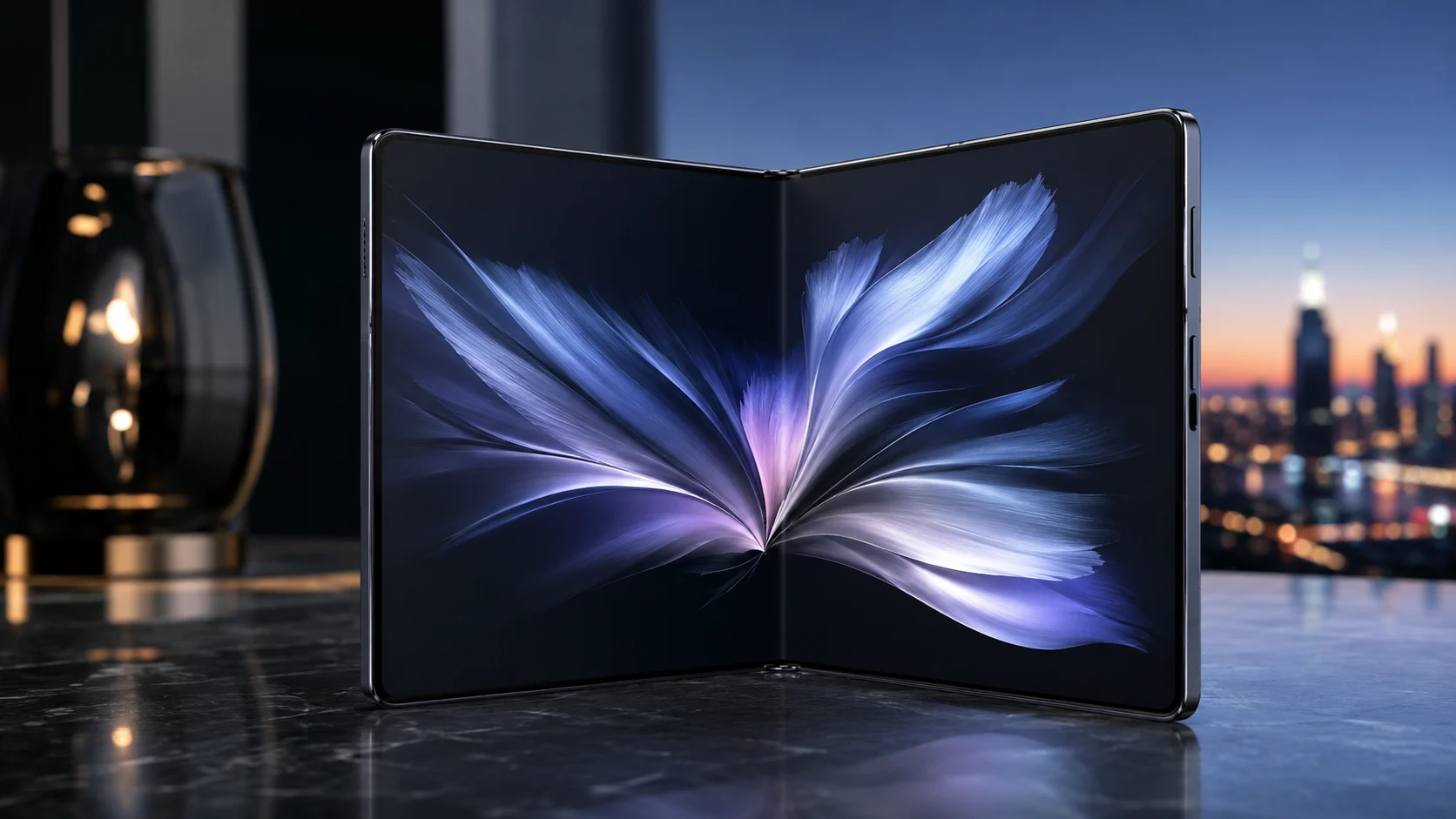
Samsung wide foldable rumors are getting louder, and this time the story feels bigger than another yearly spec bump. For years, Samsung’s book-style foldables have looked futuristic while still asking users to accept a narrow cover screen and a tall inner display that did not always feel natural for everyday apps. Now, the company appears to be preparing a broader foldable design that could make the device feel less like an experimental gadget and more like the phone-tablet hybrid people were promised from the beginning. The possible shift matters because foldables are no longer judged only by their wow factor, hinge engineering, or flex mode tricks. They are being judged by whether someone can use them all day without feeling like they bought a beautiful compromise.
The rumored wider design arrives at a moment when the smartphone market is hungry for a new reason to care. Flat phones are still powerful, cameras keep improving, and AI features are becoming the default pitch across every premium device. But the basic shape of the smartphone has been locked in for so long that even major upgrades can feel familiar after a few weeks. A wider foldable from Samsung could give the category a more practical identity, especially if it makes typing, browsing, multitasking, video watching, gaming, and note-taking feel smoother. That is why the buzz around this device feels less like leak culture noise and more like a turning point for foldables as a mainstream gadget category.
Why the Samsung Wide Foldable Matters Now
The most important thing about a Samsung wide foldable is not simply that it may be wider. It is that width changes how a foldable behaves in your hand, in your pocket, and on your desk. A narrow cover screen can make a foldable feel like two devices fighting each other, where the outside display is useful but cramped, while the inside display is spacious but not always necessary. A broader cover display could make the device feel like a normal flagship phone when closed, which removes one of the biggest daily annoyances from the foldable experience. Once the outside screen becomes genuinely comfortable, opening the device becomes a choice instead of a workaround.
Samsung has spent years leading the foldable conversation, but leadership comes with pressure. Early Galaxy Fold models proved that foldable phones could exist, survive daily use, and attract real buyers beyond tech collectors. Later generations became thinner, brighter, more durable, and more refined, turning the Fold line into a premium productivity device. Still, many users continued to ask for a shape that felt closer to a regular phone when closed and closer to a small tablet when opened. A wide foldable would be Samsung’s clearest answer to that long-running request, and it could make the next generation feel meaningfully different.
The timing also makes sense because the foldable market is no longer a quiet playground. Chinese brands have pushed hard on thinner bodies, larger batteries, faster charging, and more comfortable aspect ratios. Google has been improving its own foldable approach, leaning into Android’s software strength and a more familiar outer-screen shape. Meanwhile, Apple is widely expected to enter the foldable race eventually, which means Samsung can no longer rely only on being first. A wider foldable would let Samsung sharpen its identity before the competition turns foldables into the next premium battleground.
A Wider Screen Could Fix the Fold’s Biggest Friction
The classic complaint about Samsung’s book-style Fold devices has always been the cover screen. It works, it is bright, and it is useful for quick replies, maps, payments, calls, and camera previews. But because it has traditionally been narrower than a typical flagship phone, it can make typing feel tight and some apps feel slightly squeezed. That friction matters because people interact with the outside display dozens or hundreds of times a day. If the new foldable widens that screen, Samsung could finally remove the mental pause users feel before deciding whether to unfold the device.
A better cover screen also changes how the inner screen is perceived. When the outside display is cramped, the inner display feels like a rescue mode for normal tasks, which is not always ideal. When the outside display feels complete, the inner display becomes a bonus space for moments that actually deserve more room. That shift could make the device feel more intentional, because users would open it for reading long articles, editing documents, managing spreadsheets, watching videos, comparing products, or playing games. In other words, a wider design could make the foldable experience less forced and more natural.
The unfolded screen may benefit even more from a wider format. A more balanced display shape can make videos look less awkward, reduce wasted black bars, and create a better canvas for split-screen multitasking. It can also make reading feel more like using a mini tablet instead of stretching a tall phone interface across a larger panel. That matters for a device that costs premium money and is supposed to replace both a phone and a small productivity screen. If Samsung gets the proportions right, the new foldable could become the first Fold-style device that feels equally confident closed and open.
The Design Shift Is Bigger Than a Spec Sheet
Smartphone launches often get reduced to processor names, camera megapixels, display brightness, storage tiers, and battery numbers. Those details matter, especially for a device that sits near the top of the premium market. But with foldables, design is the feature that decides whether the entire product works. A slightly wider body can change typing comfort, app scaling, video framing, one-handed use, and how stable the device feels when opened on a table. That is why the rumored Samsung design shift may be more meaningful than a routine chipset upgrade.
There is also a psychological side to foldable design. Buyers need to feel that the device is not just impressive when shown to friends, but also calm and dependable during boring daily tasks. Checking email in line, typing a message in a rideshare, scrolling through a news feed, adjusting a playlist, and scanning a boarding pass should not require extra thought. A wider cover screen could help the foldable disappear into normal life, which is exactly what futuristic gadgets must do before they become mainstream. The best technology does not constantly remind you that it is unusual.
Samsung also has to balance width with weight, thickness, hinge feel, and pocketability. A wider foldable can become more useful, but it can also become more demanding if it feels too large or heavy. The company’s challenge is to make the device bigger where it matters and still manageable where it counts. That means the hinge must feel solid, the folded body must remain comfortable, and the inner display must justify the extra footprint. If Samsung finds that balance, the new Fold could become a more convincing everyday flagship rather than a niche power-user device.
AI Could Make the New Foldable Feel Smarter
A wider foldable would not arrive in a vacuum, because Samsung’s premium devices are now deeply tied to AI features. Galaxy AI has already pushed tools like live translation, image editing, note summarization, search enhancements, and productivity assistance into the mainstream smartphone conversation. On a wider foldable, those tools could feel more useful because there is simply more room to interact with them. Summaries can sit beside original text, generated edits can be reviewed on a larger canvas, and multitasking can make AI feel like part of the workflow instead of a pop-up trick. That is where foldables may have a real advantage over standard slab phones.
Imagine reading a long report on one side of the screen while an AI summary sits on the other side. Imagine translating a conversation while still keeping notes visible in another window. Imagine editing a photo, comparing versions, and sharing it without jumping between cramped app screens. These scenarios are not science fiction, but they require enough display space to feel comfortable. A Samsung wide foldable could become the kind of device where mobile AI finally feels less like a feature list and more like a daily workspace.
The AI angle also matters because premium phones need stronger reasons to justify their prices. Faster processors and better cameras are expected, but they do not always change behavior. A foldable with a broader display can make AI features more visible, more interactive, and more practical for people who create, study, work, travel, or manage content on the move. That could help Samsung frame the device as more than a luxury phone. It could become a pocket workstation for the AI era, especially for users who already live inside mobile productivity apps.
What This Means for Gadget Buyers
For gadget buyers, the big question is not whether a wide foldable looks cool. It is whether the design solves enough real problems to justify the cost, the learning curve, and the durability concerns people still associate with folding screens. A wider outer display could immediately improve the daily experience, which is the most important win. Better proportions could also make the inner screen more useful for streaming, reading, gaming, and multitasking. If those improvements arrive alongside stronger battery life, a smoother hinge, better cameras, and polished software, the upgrade could feel substantial.
Still, buyers should be smart about the hype cycle. Leaks can show direction, but they cannot prove comfort, durability, battery endurance, camera quality, thermal performance, or long-term crease behavior. Foldables are physical products in a way that regular phones often are not, because the hinge, display layers, weight distribution, and folding feel are central to the experience. A device can look perfect in renders and still feel awkward after a week. That is why hands-on impressions and long-term reviews will matter more than almost any leaked image or early spec sheet.
The decision will also depend on what kind of user you are. If you mostly use your phone for messaging, social media, music, photos, and quick searches, a regular flagship may still make more sense. If you constantly switch between apps, write on the go, watch a lot of video, manage documents, read long content, or want a phone that can double as a mini tablet, the wider foldable could be much more compelling. This is the exact audience Samsung needs to convince if it wants foldables to keep growing. The new design could make that pitch easier because it focuses on usability rather than novelty alone.
Samsung’s Foldable Strategy Is Getting More Competitive
The wider foldable rumor also suggests Samsung may be preparing a more layered foldable lineup. Instead of treating the Fold as one premium device with yearly improvements, Samsung could create clearer options for different types of users. One model could prioritize thinness, familiarity, and refinement, while another could lean into a broader tablet-like experience for productivity and media. That kind of segmentation is normal in regular smartphones, but foldables have been slower to reach that level of variety. A wider model would show that Samsung sees foldables as a mature category with different buyer profiles.
This strategy could become even more important as Apple’s rumored foldable plans keep shaping industry expectations. Whether Apple launches soon or later, its entry would likely bring mainstream attention from users who have ignored foldables until now. Samsung knows this, and it has every reason to strengthen its foldable identity before that moment arrives. A wider Fold could signal that Samsung is not waiting to react. It is trying to define the next shape of premium phones before its biggest rival joins the game.
The broader industry impact could be significant. If Samsung’s wide foldable performs well, other Android brands may lean further into comfortable outer screens and tablet-like inner formats. App developers could also feel more pressure to optimize for foldable layouts, especially if more users adopt wider devices. Accessories, cases, stands, keyboards, styluses, and productivity workflows could evolve around this new shape. Foldables need ecosystem momentum, and Samsung still has the scale to push that momentum forward.
Gaming, Streaming, and Creator Workflows Could Win
A wider foldable could be especially interesting for gaming and entertainment. Mobile games often suffer on awkward aspect ratios, where controls, maps, and menus can feel stretched or cramped. A more balanced unfolded display could make games feel closer to a handheld console experience, especially with cloud gaming and controller accessories. Streaming could also benefit if the screen shape reduces wasted space and makes landscape viewing feel more natural. For a gadget site like Vortixel, this is where the story becomes more than smartphone news and moves into the future of mobile screens.
Creators could also get a better mobile workspace from a wider foldable. Editing short videos, reviewing thumbnails, checking analytics, writing captions, managing cloud files, and responding to brand emails are all possible on current phones, but they often feel cramped. A wider foldable gives creators more room to work without immediately reaching for a laptop. That does not mean it replaces a full desktop setup, but it could reduce the number of moments when a phone feels too small. For creators who travel, commute, or work in short bursts, that flexibility can be valuable.
Students and professionals may see similar benefits. Reading PDFs, marking up notes, joining video calls, comparing references, and drafting documents all become easier when the screen has room to breathe. Samsung already has strong software foundations for multitasking, floating windows, and app pairs, so a wider design could unlock more of what the company has been building for years. The hardware and software story would finally feel aligned. That alignment is what foldables need if they want to move from premium curiosity to serious productivity tool.
The Risk: Bigger Does Not Automatically Mean Better
There is one obvious risk in the wide foldable idea: bigger screens can create bigger compromises. If the device becomes too wide when closed, it may lose the pocket-friendly advantage that still matters for a phone. If it becomes heavier, users may enjoy the bigger display at home but resent carrying it all day. If the battery does not keep up, the larger screen could become a drain instead of a benefit. Samsung has to make the device feel balanced, because foldables are judged by comfort as much as capability.
Pricing will also be a major factor. Foldables already sit in the ultra-premium zone, and a new design can easily become more expensive if Samsung adds advanced materials, larger panels, stronger hinges, or higher storage tiers. The company must convince buyers that the wider design is not just a premium tax. It has to feel like a practical upgrade that changes how people use their phone every day. Otherwise, the device could win attention online while still staying out of reach for mainstream buyers.
Durability remains another challenge. Samsung has improved foldable resilience across generations, but consumers still worry about inner screen protection, dust, hinge wear, crease visibility, and repair costs. A wider panel may raise new questions about pressure points and long-term reliability. Samsung will need clear messaging around materials, water resistance, hinge improvements, display protection, and service options. The more ambitious the design becomes, the more confidence buyers will need before spending flagship money.
How It Fits Into the Smartphone Trend Cycle
The smartphone industry is in a strange place right now. Performance is excellent across premium devices, cameras are already strong enough for most people, and AI is becoming less of a surprise with every launch. That makes hardware design more important again. A wider foldable gives Samsung a visual and practical story that a normal slab phone cannot easily copy. It also gives the company a stronger reason to talk about mobile computing instead of just mobile photography.
This is why foldables remain one of the most interesting categories in smartphone technology. They challenge the assumption that a phone must always be a single flat rectangle. They also force software makers to think harder about responsive layouts, multitasking, adaptive controls, and context-aware interfaces. A wide foldable could accelerate those changes because it makes the screen format feel more useful for more people. The better the hardware gets, the more pressure apps will face to support it properly.
Samsung’s broader gadget ecosystem could also strengthen the appeal. A foldable works best when it connects smoothly with earbuds, watches, tablets, laptops, cloud services, and smart home controls. If the new wide Fold launches with deeper Galaxy AI features and stronger ecosystem continuity, it could become the center of a connected workflow. That is valuable because users do not buy premium devices in isolation anymore. They buy into habits, services, accessories, and the feeling that everything works together with less friction.
Practical Insight: Who Should Watch This Launch Closely?
The people who should watch this launch most closely are not only tech fans. Mobile creators, remote workers, students, executives, travelers, gamers, and early adopters all have reasons to care. A wider foldable could make sense for anyone who wants a phone that can become a larger workspace without carrying a second screen. It may also appeal to users who liked the idea of previous Fold models but hated the narrow outer display. For those people, the new shape could solve the exact problem that kept them from buying earlier versions.
Current Fold owners should be especially thoughtful. If they love the inner display but rarely use the cover screen for serious tasks, the wider model could be a meaningful upgrade. If they already feel comfortable with Samsung’s current format, the new design may not be an automatic must-buy. The key question is whether the new proportions change daily behavior. A foldable upgrade is worth more when it changes how often you use the device open, closed, and in between.
Regular flagship owners should also pay attention, even if they are not ready to buy a foldable yet. This kind of design shift can influence the broader phone market over time. Features that begin in expensive experimental devices often become normal once production improves and demand grows. A better wide foldable could push the entire industry toward more flexible screen ideas, smarter multitasking, and more hybrid mobile devices. Even if you skip the first version, the direction matters.
Conclusion: Samsung’s Wider Fold Could Be the Real Reset
The rumored Samsung wide foldable feels important because it targets the core issue foldables have carried for years. People do not need another futuristic phone that looks amazing in a launch video but feels slightly awkward during normal life. They need a foldable that works like a great phone when closed and a useful tablet when opened. A wider design could bring Samsung closer to that goal by improving comfort, media viewing, multitasking, AI workflows, and overall confidence. If the company nails the balance, this could be the foldable that makes the category feel less experimental and more inevitable.
There are still real questions around price, durability, battery life, cameras, weight, and final branding. Those details will decide whether the device becomes a breakout hit or another premium option for a smaller group of power users. But the direction is exciting because it shows Samsung may be listening to what foldable buyers have wanted for years. Wider does not automatically mean better, but smarter proportions can completely change how a device feels. For the next chapter of foldable phones, that may be the upgrade that matters most.