
Affordable MacBook Pro Redesign Is Coming
 Vortixel
14 minutes read
Vortixel
14 minutes read
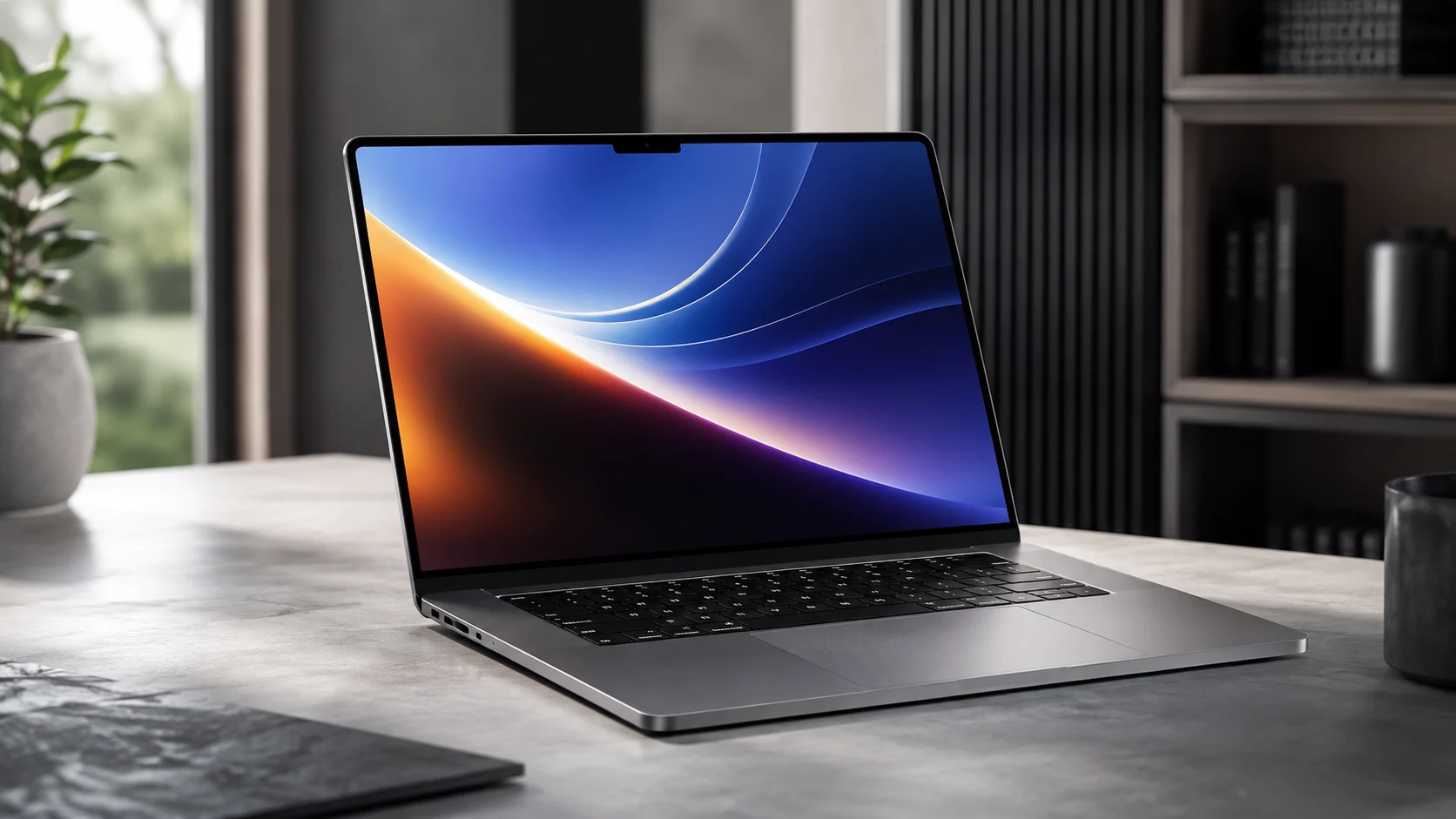
Apple’s most affordable professional laptop may finally be ready to stop looking like the quiet sibling in the MacBook family. A new report suggests the entry-level model could receive a noticeable visual refresh as part of Apple’s next wave of hardware launches. That makes the rumored affordable MacBook Pro redesign more interesting than a routine processor update, especially for buyers who have watched the same basic chassis remain familiar for several generations. The laptop is expected to preserve the practical appeal of a MacBook Pro while gaining enough visual distinction to feel genuinely new. Nothing has been officially announced, but the possibility already raises important questions about price, performance, ports, display technology, and where the device will sit in Apple’s increasingly crowded Mac lineup.
The timing matters because buying a MacBook Pro has become a more complicated decision than it once was. Apple now sells machines aimed at students, everyday users, mobile professionals, developers, editors, and creative workers who may all have very different ideas about what the word “Pro” should mean. At the lower end of the lineup, the base MacBook Pro has often acted as a bridge between the lighter MacBook models and the more powerful configurations equipped with higher-tier chips. It offers the design language, display quality, battery life, and connectivity associated with the Pro family without immediately forcing buyers into the most expensive processors. A redesigned version could make that middle position clearer and potentially turn the entry model into one of Apple’s most strategically important laptops.
Why the Entry-Level MacBook Pro Needs a New Look
The current MacBook Pro design is still functional, polished, and recognizable, but it no longer delivers the same sense of novelty it did when the shape first appeared. Its squared aluminum body, thin display borders, camera cutout, large trackpad, and familiar keyboard arrangement have become standard elements of Apple’s modern laptop identity. That consistency is useful because professional users generally prefer dependable tools over dramatic experiments. However, a product can remain excellent while still beginning to feel visually settled, particularly in a market where competitors are introducing thinner frames, new materials, dual-screen concepts, and increasingly flexible form factors. A refresh could therefore be less about fixing a bad design and more about preventing a successful one from feeling frozen in time.
The entry-level model also faces a branding challenge that does not affect the more expensive MacBook Pro versions in quite the same way. High-end buyers usually choose a Pro or Max-class chip because their workloads demand sustained performance, more memory, stronger graphics, or support for multiple external displays. Base-model buyers are often balancing different priorities, including affordability, battery life, display quality, portability, and the desire to keep a laptop for many years. That makes visual identity more influential because these shoppers may compare the machine directly with a MacBook Air rather than with a mobile workstation. A more distinctive exterior could help Apple communicate why the entry-level Pro exists without relying only on benchmark charts and technical specifications.
Affordable MacBook Pro Redesign Could Reshape the Lineup
The rumored affordable MacBook Pro redesign arrives at a moment when Apple appears increasingly willing to create narrower product categories. Instead of selling one basic laptop and one professional laptop, the company has developed several layers differentiated by chip, size, display, cooling, port selection, and price. This strategy gives buyers more choice, but it can also make the lineup harder to understand at a glance. A redesigned entry-level Pro could become the clearly defined option for users who want premium hardware and professional flexibility without paying for maximum computing power. The success of that approach will depend on whether the design communicates meaningful value rather than simply adding cosmetic differences.
Apple must also avoid making the machine so attractive that it undermines the MacBook Air or pushes customers away from more expensive Pro configurations. Product segmentation is a delicate exercise because every improvement changes the value of the models sitting above and below it. Give the affordable Pro a thinner body, excellent display, long battery life, generous ports, and a competitive price, and the Air may suddenly look less compelling. Remove too many features, however, and the Pro label may begin to feel like branding rather than a promise of professional capability. The ideal redesign would create a clear personality: more capable and expandable than the Air, but lighter and less specialized than the flagship MacBook Pro models.
What the New Design Might Actually Change
A visual refresh can mean many things in Apple’s world, ranging from new colors to a completely reworked enclosure. The most realistic possibility is a refined version of the existing form rather than a radical departure from the aluminum notebook formula. Apple could adjust the thickness, weight distribution, display borders, hinge construction, speaker placement, or underside ventilation while maintaining the overall professional aesthetic. Even small physical changes can have a noticeable effect when users carry a laptop every day, open it in meetings, and spend hours working around its keyboard and screen. A machine that feels slightly lighter, more balanced, and easier to hold could deliver a meaningful upgrade without needing a futuristic new shape.
The display area will likely attract the most attention because it defines the first impression of a modern laptop. Thinner bezels could make the screen feel larger without increasing the overall footprint, while a revised camera housing might reduce the visual impact of the current cutout. Apple could also improve brightness, efficiency, color performance, or refresh behavior, although premium display upgrades may remain reserved for higher-priced models. The company has historically used screen technology as a major divider between product tiers, so expectations should remain realistic. Buyers should focus not only on whether the display looks new in promotional images, but also on whether it improves everyday reading, editing, video playback, outdoor visibility, and battery consumption.
Color may become another tool for separating the entry model from the rest of the Pro lineup. Professional MacBooks have traditionally stayed within conservative shades because neutral finishes appeal to workplaces and creative studios. Yet Apple has shown that affordable hardware can use color to feel approachable without looking childish or disposable. A carefully selected blue, darker silver, muted green, or warm neutral option could give the laptop personality while preserving its premium image. New colors would not transform performance, but they could make the model more memorable and help younger buyers see it as a personal device rather than another nearly identical silver rectangle.
Performance Still Matters More Than the Finish
A redesign will attract attention, but the processor inside the laptop will determine whether it deserves long-term enthusiasm. Entry-level MacBook Pro buyers increasingly expect smooth video editing, software development, multitasking, photo processing, music production, and light gaming from a machine that may serve as their primary computer. Apple silicon has made strong performance per watt feel normal, which means each new generation must improve without sacrificing battery life or thermal stability. The base chip does not need to match the most expensive configurations, but it should provide enough headroom to remain comfortable through several years of operating system updates and increasingly demanding applications. A visually modern laptop paired with overly conservative memory or storage would quickly lose its appeal.
Cooling will be one of the most important hidden details behind any thinner or lighter redesign. A MacBook Pro is expected to sustain performance for longer periods than a fanless ultraportable, particularly during exports, code compilation, rendering, and other continuous workloads. Reducing the enclosure size can make heat management more difficult unless Apple improves the internal layout, fan design, processor efficiency, or thermal materials. The company has considerable control because it develops the chip, operating system, and hardware together, but physics still places limits on what a slim chassis can achieve. Buyers comparing models should eventually look beyond short benchmark bursts and pay attention to how the redesigned machine performs after ten, twenty, or thirty minutes of heavy use.
Memory configuration could become the detail that decides whether the affordable model feels generous or frustrating. Modern browsers, creative applications, local development tools, and AI-assisted software can consume memory rapidly, even when the processor itself remains capable. Apple’s unified memory architecture is efficient, but efficiency does not eliminate the need for sufficient capacity. A strong base configuration would give buyers confidence that they are purchasing a professional laptop rather than paying extra immediately to avoid an obvious limitation. Storage deserves similar scrutiny because a lower starting price can become less meaningful when the cost of reaching a practical capacity is unusually high.
Ports Could Define Whether It Really Feels Pro
Port selection is one of the clearest ways Apple can distinguish an entry-level MacBook Pro from a MacBook Air. Professionals regularly connect cameras, external drives, monitors, audio interfaces, memory cards, wired networks, and charging equipment, often while working away from a permanent desk. A laptop that requires several adapters may remain technically capable while becoming less convenient in real situations. Keeping multiple high-speed USB-C or Thunderbolt ports, a dedicated charging connection, a headphone jack, and useful display support would strengthen the machine’s professional identity. Removing connectivity to create a thinner silhouette would risk turning the redesign into a step backward for the people most likely to appreciate the Pro label.
External display support is another specification that can appear minor until it disrupts an actual workflow. Developers, financial professionals, designers, editors, and remote workers frequently use two or more screens to manage complex projects. Apple has sometimes differentiated base chips by limiting the number or arrangement of external displays they can drive, which can surprise buyers who assume every MacBook Pro handles a multi-monitor desk equally well. A refreshed model would benefit from clearer, more flexible display support that matches the expectations created by its name. This is the type of practical improvement that may generate less excitement than a thinner bezel, but it can make a much larger difference over the laptop’s lifespan.
The Price Question Is Bigger Than Ever
The word “affordable” is relative when discussing Apple hardware, and buyers should not expect a redesigned MacBook Pro to become a budget laptop overnight. Its purpose would more likely be to provide the lowest-cost route into the Pro family while retaining enough premium features to justify its position above mainstream models. Component prices, memory demand, supply conditions, and new display technology can all influence the final number. Apple may also use storage and memory tiers to preserve an appealing advertised price while encouraging many customers to select more expensive configurations. The true value will therefore depend on the usable configuration most people need, not simply the smallest price shown on the product page.
A higher starting price could still make sense when the laptop offers substantial improvements in durability, display quality, battery life, and long-term performance. Many buyers keep a MacBook for five years or longer, which changes the way upfront cost should be evaluated. Spending more on adequate memory, storage, and connectivity can be reasonable when it delays replacement and reduces dependence on external accessories. However, long ownership should not become an excuse for pricing basic upgrades far above their practical value. The redesigned model will feel genuinely accessible only when its standard configuration is useful without forcing buyers into an immediate series of expensive additions.
How It Could Affect the Laptop Market
An appealing entry-level MacBook Pro could pressure premium Windows laptop makers to rethink what they offer at similar prices. The competition is no longer based only on processor speed because buyers also compare battery life, screen quality, build materials, speakers, webcams, keyboards, ecosystem features, and resale value. Windows manufacturers have responded with excellent OLED displays, advanced touchscreens, lightweight designs, repairable components, and broader gaming support. Apple’s advantage remains the integration between its hardware, software, chips, and other devices, but competitors continue to improve their own ecosystems. A strong redesign would intensify that contest and could encourage better standard configurations across the premium laptop category.
The machine could also influence the growing market for AI-focused personal computers. Laptop brands are placing greater emphasis on neural processing hardware, local assistants, image generation, transcription, coding tools, and automated workflows. Apple will need to show that the affordable Pro has enough processing capability and memory to support these features without becoming outdated quickly. Marketing claims about AI will matter less than whether the tools save time, protect user privacy, and work consistently without constant cloud access. Readers following broader developments in technology should watch how much of Apple’s future software experience remains available on the base model rather than being restricted to its most expensive chips.
Who Should Consider Waiting for It
Students, junior developers, freelance creators, and professionals using older Intel-based Macs may have the strongest reasons to watch the redesign. These users often need more flexibility than a basic ultraportable provides, but they may not require the extreme performance of a Max-class chip. A refreshed entry model could offer a balanced package for writing, coding, research, editing, design work, communication, and occasional demanding projects. Waiting may be sensible when an existing laptop still functions reliably and the purchase is not urgent. The possibility of a new enclosure, improved display, updated chip, and revised connectivity creates enough uncertainty that buying the current base model immediately could lead to regret for some shoppers.
People with heavy professional workloads should approach the rumor differently. Video editors working with complex timelines, 3D artists, engineers, scientists, and developers running large local environments may still benefit more from higher-tier processors and larger memory configurations. A redesigned entry model may look similar to those machines while delivering a very different level of sustained performance. The most attractive appearance in the lineup does not automatically make it the best tool for every task. Buyers should define their workload first, estimate how it may grow, and then choose the configuration that supports that reality rather than purchasing according to design alone.
Current MacBook Air owners may have the least obvious reason to upgrade unless they specifically need more ports, active cooling, or a higher-end display. Apple silicon laptops remain fast for everyday work, and a visual refresh does not make an existing machine suddenly ineffective. Upgrading makes more sense when the current computer regularly reaches memory limits, struggles with sustained workloads, lacks needed external display support, or has developed battery and storage constraints. The redesigned Pro could be an excellent next step, but only when its benefits solve a problem the user actually experiences. Skipping a generation is often the smarter move when the existing laptop continues to meet real needs.
What Buyers Should Check Before Ordering
Once Apple reveals the final product, the base memory and storage capacities should be the first specifications buyers examine. Those numbers affect multitasking, application performance, file management, and the useful life of the laptop more than a new finish or slightly thinner chassis. Shoppers should also confirm how many external displays are supported, what ports are included, and whether all ports operate at the same speed. Battery claims should be compared with independent testing because web browsing, video streaming, coding, and creative exports place very different demands on a computer. Finally, buyers should calculate the total cost of the configuration they actually want rather than judging value from the advertised starting price.
Repairability and long-term service options deserve attention as well, even though they rarely dominate launch presentations. A thinner design can make internal components harder to access, and tightly integrated hardware may increase the cost of certain repairs. Apple’s service network and software support are major advantages, but accidental damage, battery replacement, and storage limitations can still affect ownership. Buyers who travel frequently or depend on the laptop for income may find extended coverage worthwhile, while others may prefer to set aside money for potential repairs. The best purchasing decision considers not only the excitement of launch day but also the less glamorous realities of using the machine for several years.
A Redesign Can Signal More Than New Styling
Apple rarely changes the physical identity of a major product without using the moment to reposition it. A redesigned entry-level MacBook Pro could indicate that the company sees greater demand for professional features at a more approachable level. It may also reflect a broader shift toward laptops that handle creative work, local AI tasks, gaming experiments, and productivity within one portable device. The distinction between consumer and professional computing has become less rigid because students edit video, creators write code, office workers manage media, and independent developers run businesses from lightweight machines. A thoughtfully redesigned model could respond to that reality by offering professional flexibility without demanding workstation-level spending.
The greatest risk is that the refresh focuses on appearance while leaving the value equation unchanged. A slimmer body and new colors may generate strong launch-day attention, but buyers quickly notice limited memory, small storage, restricted ports, or expensive upgrades. Apple has the opportunity to make the base Pro feel complete rather than intentionally unfinished. That means balancing design ambition with practical specifications and preserving the thermal performance that separates a Pro laptop from a fanless alternative. The strongest version of this product would not simply photograph well; it would remain satisfying after years of deadlines, travel, updates, and demanding projects.
The Bottom Line
The rumored affordable MacBook Pro redesign could become one of Apple’s most meaningful laptop updates if it improves both identity and everyday usefulness. A refreshed appearance would help the entry model feel less like a reduced configuration of a more expensive machine and more like a deliberate product for a growing class of mobile professionals. Yet design alone will not determine its success, because memory, storage, sustained performance, ports, display support, battery life, and final pricing will shape the actual ownership experience. Buyers who can wait should avoid making decisions based solely on rumor images or isolated specifications and instead evaluate the complete package after official details and independent testing arrive. If Apple combines a modern design with a sensible base configuration, the new entry-level MacBook Pro could become the rare premium laptop that feels aspirational without drifting completely beyond reach.