iPhone Fold Launch Could Sell Out Instantly
 Vortixel
17 minutes read
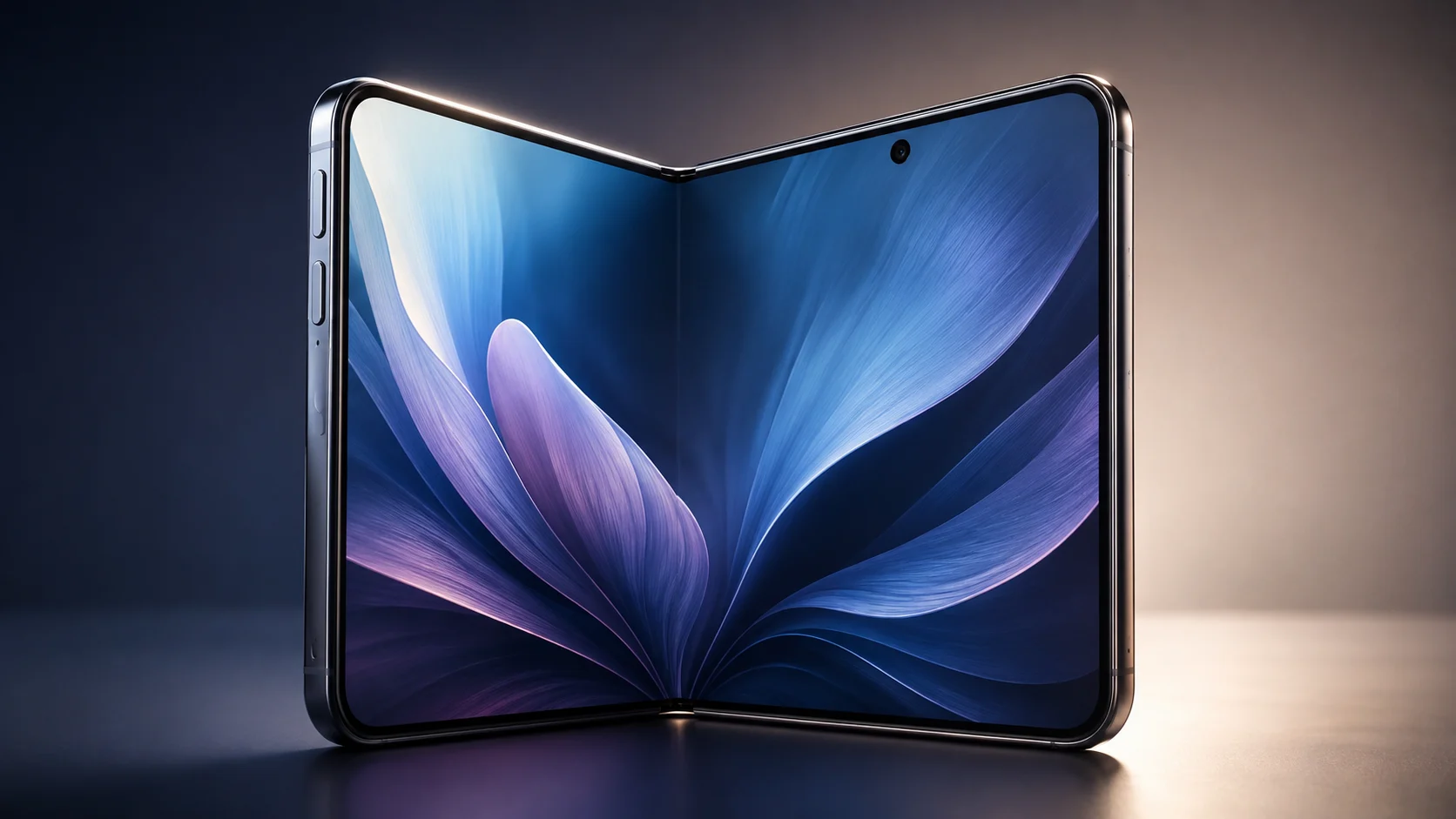
The first iPhone Fold launch may become one of those rare technology moments when the buying experience feels more like chasing concert tickets than ordering a smartphone. Apple has not built its reputation by being first to every product category, but it has repeatedly shown that arriving late can create even more attention when the final product feels polished. After years of rumors, prototypes, supply-chain clues, and endless fan-made renders, the idea of a foldable iPhone is reportedly moving closer to an actual commercial release. Early production estimates suggest that the first wave of devices could be far smaller than the number of people ready to buy one. That imbalance is why analysts now believe the phone could disappear from digital shelves almost immediately after preorders begin. For Apple fans who have waited years for this moment, launch day may become a test of speed, patience, and willingness to pay.
The expected shortage is not necessarily a sign that Apple has underestimated the appeal of its first folding phone. Building a reliable foldable device is significantly more complicated than producing another conventional slab-style smartphone with familiar components. The display must bend thousands of times without developing obvious damage, the hinge has to remain smooth and strong, and the body must still feel premium when it is both open and closed. Apple also faces unusually high expectations because customers will compare the product not only with other foldables, but with the durability and consistency of traditional iPhones. Any weakness in the screen, hinge, software, camera system, or battery could dominate the conversation around an extremely expensive launch. Limited early supply may therefore reflect the challenge of making enough units that meet Apple’s quality standards rather than a lack of ambition.
Why the iPhone Fold Launch May Sell Out
The most direct reason the iPhone Fold launch could sell out is that initial shipments are expected to be unusually tight. Recent industry estimates have suggested that only around 500,000 to 1 million units may be available during the earliest stage of production, even though total shipments could rise substantially later in the year. That would be a small opening supply for a product connected to one of the world’s largest and most loyal smartphone customer bases. A limited number of devices would not need to attract every iPhone owner to create immediate shortages. It would only need to capture wealthy early adopters, technology enthusiasts, professional users, collectors, and Apple customers who normally upgrade to the most expensive model available. Once those groups begin ordering at the same time, estimated delivery dates could move from launch week to several weeks later within minutes. :contentReference[oaicite:0]{index=0}
The psychology of scarcity could make the situation even more intense. When consumers hear that a major new Apple device will be difficult to find, uncertainty often increases demand instead of reducing it. Buyers who might normally wait for reviews may decide to preorder because they fear losing access for months. Resellers may also enter the market, purchasing units with the expectation that desperate customers will pay more than the official retail price. Social media posts showing delayed shipping windows can add another layer of urgency, especially during the first hours of availability. In that environment, the perception of a sellout can help create the conditions for an actual sellout.
Apple has experienced this type of launch pressure before, most notably when it introduced the iPhone X in 2017. That phone brought major design and technology changes, including an edge-to-edge OLED display, Face ID, and a dramatically different visual identity. Production challenges limited availability, while the novelty of the device pushed preorder demand far beyond the inventory many customers could access immediately. The rumored foldable iPhone could follow a similar pattern because it represents another major break from the standard iPhone formula. Analysts have directly compared the potential rollout with the iPhone X era, warning that advanced components may restrict the early production ramp. The difference this time is that online hype moves faster, international demand is broader, and buyers already understand how quickly limited Apple products can disappear. :contentReference[oaicite:1]{index=1}
Apple Is Entering a Market That Already Exists
Apple will not enter the foldable phone category as a pioneer. Samsung, Google, Honor, Motorola, Oppo, Xiaomi, and other manufacturers have already spent years experimenting with flexible displays and different folding formats. Those companies helped solve many of the problems that once made foldable phones feel fragile, awkward, or unfinished. Modern foldables are thinner, more durable, and more useful than the early models that looked like public prototypes. Their software has also improved, with better multitasking, stronger app support, and more practical ways to use a large internal display. Apple can study those successes and failures instead of forcing its customers through the roughest stage of the category’s development.
That late arrival may actually strengthen the excitement surrounding the device. Many consumers have been curious about foldable phones but unwilling to leave iOS, iMessage, FaceTime, AirDrop, Apple Pay, and the broader Apple ecosystem. A Samsung foldable might have impressive hardware, but switching platforms can mean changing years of habits, purchases, subscriptions, accessories, and communication patterns. The first folding iPhone would remove that platform barrier for customers who want a flexible display without abandoning Apple services. It could also convince people who previously saw foldables as experimental Android products that the format has finally become mainstream. Apple does not need to invent the category to reshape how the broader public perceives it.
The foldable smartphone market is already expected to grow strongly as Apple prepares to enter it. Research firms have forecast a major increase in foldable shipments during 2026, with Apple’s arrival acting as one of the most important growth drivers. The company could quickly capture a large share of revenue even if it ships fewer devices than established competitors because its model is expected to sit at the top of the premium market. A high average selling price would give Apple a powerful financial position and encourage component suppliers to invest more aggressively in foldable technology. Competitors would also face pressure to improve their own hardware, software, warranties, and pricing. The result could be a faster evolution of the entire category rather than a simple battle between individual phones. :contentReference[oaicite:2]{index=2}
A Price That Changes the Meaning of Premium
The rumored price may be the most controversial part of the story. Current estimates place the first foldable iPhone somewhere around $2,300 to $2,500, which would make it far more expensive than a typical flagship phone. At that level, the device would compete not only with other smartphones but also with laptops, tablets, professional cameras, and complete home office setups. Apple would effectively be asking customers to view the product as two premium devices combined into one portable design. The cost could reduce mainstream adoption, but it may not prevent an early sellout when the initial inventory is so limited. A product does not need to be affordable to everyone when the company only has enough units for a small group of highly motivated buyers. :contentReference[oaicite:3]{index=3}
The expected pricing also suggests that Apple may position the phone above the Pro Max rather than beside it. Some reports have referred to the device as an iPhone Ultra, a name that would communicate a new top tier without relying entirely on the folding mechanism. That branding could help Apple sell the product as its most advanced mobile device instead of presenting it as an unusual side project. It would also give the company room to highlight premium materials, exclusive software features, larger storage options, and specialized accessories. Buyers who already choose the most expensive iPhone configuration may see the foldable as a natural next step. The real challenge will be proving that the experience delivers more than a dramatic screen and a higher price.
Price becomes especially important after the launch hype fades. Early adopters often accept compromises because they value novelty, status, and access to new technology, but mainstream customers usually demand clearer practical benefits. A $2,500 phone must feel useful throughout the day, not only impressive during demonstrations. It must replace enough tablet tasks to justify its size while remaining comfortable enough to serve as a regular phone. It must also survive daily use without making owners constantly worry about the internal screen or hinge. The first preorder sellout may reveal strong excitement, but sustainable demand will depend on whether ordinary users believe the device improves their lives.
What the Foldable iPhone Needs to Get Right
The hinge will be one of the most closely examined parts of the device. A good hinge must open smoothly, hold the screen at useful angles, resist dust and debris, and remain consistent after years of movement. It must also allow the phone to close without leaving a large gap that makes the device feel unfinished. Apple customers are used to precise hardware, so even a small amount of wobble or uneven movement could become a major review topic. The company may need to balance thinness with durability rather than chasing the lightest possible design. A beautiful foldable that feels delicate would struggle to justify an ultra-premium position.
The internal display will matter just as much as the mechanism supporting it. Consumers will expect a visible crease to be minimal, especially after years of competitors trying to reduce the line running through the center of folding screens. Brightness, color accuracy, touch response, durability, and support for high refresh rates will all shape the first impression. The screen must also remain readable outdoors and comfortable during long sessions of reading, editing, browsing, or watching video. Apple may apply its usual display calibration strengths, but flexible panels bring different engineering limits than standard OLED screens. The company will be judged against both the best foldables and the best conventional iPhones at the same time.
Battery life could become another difficult compromise. A larger internal screen encourages heavier use, while a thinner folding body limits the space available for battery cells. Apple will need efficient processors, intelligent software management, and a carefully designed dual-cell layout to keep the device running through a full day. Customers paying more than $2,000 will not be impressed by a phone that needs an afternoon recharge whenever the larger display is used seriously. Fast charging would help, but Apple has traditionally been more conservative than some Android rivals in charging speed. The strongest solution would be efficiency that makes the device dependable without requiring owners to change their habits.
Software Could Decide Whether It Feels Special
Hardware may attract attention, but software will determine whether the foldable format becomes genuinely useful. When the device is closed, it needs to behave like a complete iPhone rather than a limited secondary screen. When opened, it should immediately offer more space, smarter layouts, and stronger multitasking without forcing users to learn an entirely different operating system. Apps must transition smoothly between displays without restarting, losing position, or showing awkward empty areas. Apple could borrow interface ideas from the iPad while preserving the simplicity and familiarity of iOS. The best version of the product would feel like an iPhone that naturally expands rather than two separate devices joined by a hinge.
Multitasking may become the feature that most clearly separates the foldable from a Pro Max. A larger screen should allow two apps to appear side by side, make drag-and-drop interactions easier, and provide more room for messaging, documents, maps, photos, and video. Professionals could review a file while answering email, travelers could compare schedules while keeping a map open, and creators could edit content with larger controls. Apple will need to make those capabilities intuitive because most iPhone owners are not used to managing multiple app windows on a phone. Complicated gestures or hidden features would weaken the value of the expanded screen. The device must make advanced tasks feel obvious enough that people discover them naturally.
Developers will play a major role in how quickly the experience becomes convincing. Popular apps need layouts that take advantage of the wider canvas instead of simply stretching phone interfaces across more pixels. Apple can encourage adoption with strong development tools, clear design guidelines, and early access for major software partners. The company’s control over both hardware and operating systems gives it an advantage when coordinating these changes. However, smaller developers may need time to redesign their apps, especially if the first device reaches a relatively limited audience. The launch experience could therefore be polished in Apple’s own apps while third-party support improves gradually over the following months.
The Real Meaning of an Immediate Sellout
An immediate sellout would create powerful headlines, but it would not automatically prove that the foldable iPhone is a permanent success. When initial supply is restricted, even moderate demand can look enormous because the available inventory disappears quickly. Apple could sell every early unit and still need months of broader sales data to understand the size of the long-term market. Holiday shopping, launch excitement, collector behavior, and resale activity may temporarily inflate demand. Analysts have suggested that the clearer test could arrive in late 2026 or early 2027, when production improves and the first wave of enthusiasm begins to settle. At that point, sales will show whether customers truly want the product or simply wanted to experience Apple’s newest category first. :contentReference[oaicite:4]{index=4}
There is also a difference between selling out because demand is extraordinary and selling out because supply is unusually low. Apple’s marketing machine will benefit from either outcome, since unavailable products often appear more desirable. Still, investors, suppliers, developers, and competitors will look beyond preorder status to shipment volume, customer satisfaction, return rates, and production growth. A successful first month is useful, but a successful first generation requires reliable manufacturing and a growing customer base. Apple will need to increase supply without allowing quality to drop as factories move from cautious early production to higher volumes. That transition may be harder than creating the launch-day excitement itself.
The phone’s resale market could make early demand harder to measure. Scarce Apple devices often appear on third-party marketplaces at extreme markups shortly after launch, especially when official delivery dates move several weeks into the future. Some buyers may place orders with no intention of using the product, hoping instead to profit from customers who missed the preorder window. This activity can exaggerate the appearance of organic consumer demand and create frustration for genuine buyers. Apple may use purchase limits, delivery controls, and account-based restrictions to slow large-scale reselling. Even then, a first-generation foldable with limited production is likely to become one of the most targeted technology products of the year.
How the Launch Could Reshape Smartphone Trends
The biggest impact may extend far beyond Apple’s sales numbers. Once Apple enters the category, accessories, apps, services, and media attention will begin treating foldables as a more central part of the smartphone market. Case manufacturers will experiment with hinge protection, charging accessories will adapt to new dimensions, and developers will rethink layouts for screens that change size. Retail stores may give foldables more visible display space because customers will want to compare the hardware in person. Mobile carriers could create special financing plans to make the high price feel more manageable. Readers following broader technology trends may see the launch as the moment foldables move from a premium niche toward a recognized mainstream category.
Samsung may feel the most immediate competitive pressure because it has spent years building leadership in book-style foldables. Apple’s arrival could validate Samsung’s early investment while also threatening its position among premium buyers. The competition may push Samsung to improve camera systems, reduce thickness, strengthen software support, and offer more aggressive trade-in deals. Google and other Android brands will face similar pressure to explain why their foldable experiences are better, more open, or more affordable. Apple will no longer be absent from comparisons, so every major foldable launch will be measured against the iPhone. Consumers could benefit from faster innovation even when they never plan to purchase an Apple device.
The launch could also affect conventional flagship phones. If the foldable becomes Apple’s most expensive and visually distinctive model, the Pro Max may begin to look less like the ultimate iPhone and more like the practical premium choice. Apple could use that separation to build a clearer product ladder, with standard models for mainstream users, Pro devices for performance-focused buyers, and the foldable for customers seeking the most advanced design. Other manufacturers may follow with more specialized ultra-premium devices rather than relying on one flagship shape. This would make the smartphone market more diverse after years of increasingly similar glass rectangles. The risk is that companies may focus on expensive experimental models while offering fewer meaningful improvements at ordinary price levels.
Practical Advice for Potential Buyers
Anyone seriously planning to buy the first foldable iPhone should prepare before preorders open. Apple account information, payment details, shipping addresses, trade-in data, and preferred configuration should be checked in advance rather than entered during the busiest minutes of the launch. Buyers may also need to decide which storage option and color they want before seeing final availability, because hesitation could lead to a much later delivery date. Using the Apple Store app and website on separate devices may provide a backup if one platform experiences delays. Carrier preorder systems could offer another option, although their inventory and promotional terms may differ. Following iPhone Fold launch coverage closely will be important because the announcement date and actual sales date may not be identical.
Potential buyers should also think carefully before treating the first generation as an automatic upgrade. First-generation hardware often introduces exciting ideas while revealing problems that later models solve more elegantly. Repair costs, insurance pricing, case options, durability testing, and long-term battery performance may remain unclear during the preorder window. The safest decision could be waiting for independent reviews, teardown analysis, and real-world testing, even if that means accepting a later delivery date. A sellout does not reduce the financial risk of spending roughly the price of a premium laptop on a new phone design. Customers should buy because the larger folding screen solves a real need, not because scarcity makes the device feel impossible to resist.
AppleCare coverage may be especially important for a device with an expensive flexible display and a complex hinge. Owners should examine the cost of accidental damage protection, service fees, replacement procedures, and coverage periods before completing the purchase. They should also consider how the phone will fit into daily routines that involve pockets, bags, dust, beaches, gyms, and frequent travel. Foldables have improved dramatically, but moving components still create different risks than traditional phones. A protective case may reduce those risks while making an already thick device feel bulkier. The ideal buyer will accept those trade-offs because the open-screen experience provides enough value to justify them.
The Wait May Become Part of the Story
Shipping delays could become one of the defining stories of the launch. If preorders exceed the earliest inventory, delivery estimates may quickly move from the first release day into later weeks or even the holiday season. That timeline would frustrate buyers, but it would also keep the product in the news as customers share order updates and unboxing posts over a longer period. Apple stores could receive small batches that create lines and repeated stock checks, bringing back a style of launch excitement that has become less common for annual phone updates. The company may prefer a smooth supply chain, but visible demand can strengthen the cultural importance of a new device. In this case, waiting for the phone may become part of the ownership experience.
Apple must be careful not to let scarcity become disappointment. Customers may tolerate a few weeks of waiting for a revolutionary product, but patience can disappear when delivery dates repeatedly change or communication remains unclear. A delayed device also gives competitors more time to promote alternatives that are available immediately. Buyers who become tired of waiting could choose a Samsung, Google, or Honor foldable instead, particularly if reviews suggest Apple’s first model has predictable compromises. The company will therefore need accurate inventory estimates and realistic shipping promises. Artificial urgency may help marketing, but unreliable fulfillment can damage the premium trust Apple depends on.
Conclusion: A Sellout Is Only the Beginning
The first iPhone Fold launch appears positioned to become one of Apple’s most important hardware events in years. Limited early production, intense curiosity, ecosystem loyalty, and a long period of anticipation could combine to push the device into immediate sellout territory. Its rumored price of more than $2,000 will make it inaccessible to many consumers, but the earliest inventory may still be too small to satisfy the buyers who can afford it. Launch-day shortages would create dramatic headlines and confirm that Apple can generate excitement around a new smartphone form factor. However, the real success of the device will depend on durability, software, battery life, practical usefulness, and demand after production catches up. Selling every first unit will be a powerful opening scene, but building the future of the iPhone will require much more than winning preorder day.