
Tecno Bezel-Free Phone Pushes Screen Design
 Vortixel
14 minutes read
Vortixel
14 minutes read
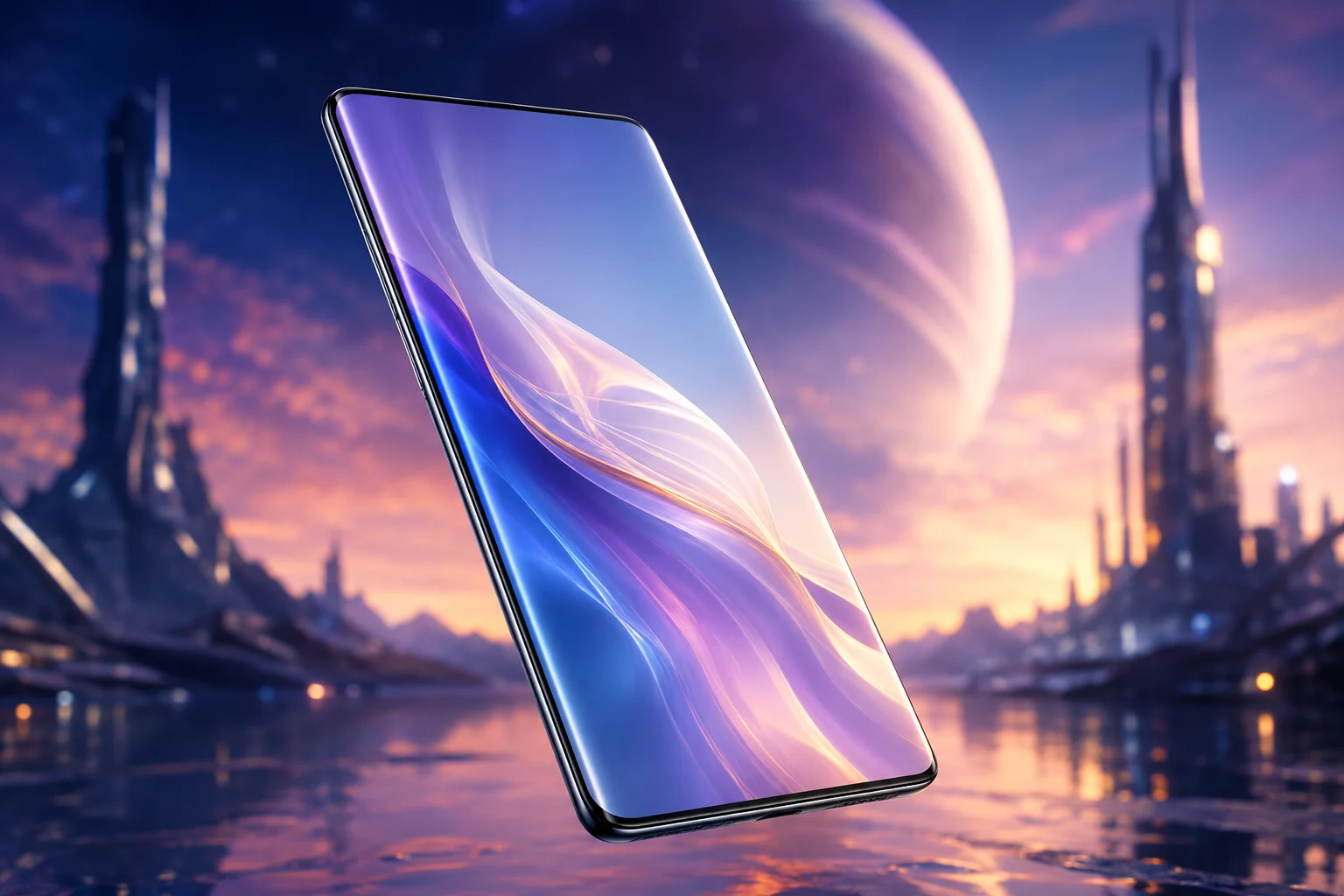
The idea of a Tecno bezel-free phone sounds like the kind of future smartphone dream that has been floating around tech shows for years, but this time the conversation feels different. Tecno is no longer just the brand people mention when they talk about value phones in emerging markets or flashy concept devices built for attention. It is now stepping into one of the hardest design battles in mobile hardware: making a phone that feels almost entirely like screen. The chase is not only about shaving a few millimeters from the edges, because modern users already expect thin bezels, clean frames, bright panels, and immersive displays. The bigger story is about whether Tecno can turn a dramatic visual idea into something that actually feels useful, durable, affordable, and ready for everyday life.
For years, the smartphone industry has moved in tiny visual steps rather than massive leaps. First came taller screens, then notches, then punch-hole cameras, then curved edges, and now foldables and experimental under-display technology are trying to keep the wow factor alive. A nearly bezel-free phone sits right at the center of that evolution because it promises a device that feels less like a gadget and more like a window. That matters in an era when people stream video, edit photos, scroll social feeds, read news, play games, and video call from the same slab of glass all day. Tecno’s push toward this design goal shows how even brands outside the traditional premium circle are trying to define what the next mainstream smartphone could look like.
Why the Tecno Bezel-Free Phone Idea Hits Now
The timing around the Tecno bezel-free phone concept is important because smartphone design has started to feel a little too safe. Flagship phones are powerful, cameras are sharp, batteries are better, and displays are smooth, but many devices still look like cousins wearing different cases. Consumers can tell when brands are improving specs without changing the feeling of using the product. That is why bezel-free design remains such a sticky idea in the gadget world, even though it is technically difficult to pull off. It gives people something instantly visible, something they can understand before reading a spec sheet, and something that makes a phone feel new in the hand.
Tecno has been building a reputation for eye-catching hardware experiments, and that strategy fits the current moment. Instead of competing only by processor speed or camera megapixels, the brand is leaning into form factor, display engineering, and bold industrial design. That is smart because the midrange and upper-midrange phone segments have become brutally competitive. A phone with a near-borderless display can create emotional impact before the user even opens the camera app or tests gaming performance. In a market where attention is currency, a clean front face with almost no visual interruption can become a strong identity.
The bigger reason this matters is that screen design shapes how people feel about a device every single time they unlock it. Bezels may seem like a small detail, but they influence immersion, symmetry, weight balance, and the sense of quality. When the frame fades away, the content becomes the star, whether that content is a movie, a game, a group chat, or a photo gallery. For Gen Z users especially, a phone is not only a communication tool; it is also a camera, wallet, entertainment hub, work screen, and personal style object. A bezel-free design speaks directly to that lifestyle because it turns the device into something more visual, more expressive, and more modern.
The Real Challenge Behind a Borderless Display
A bezel-free phone may look simple from the outside, but the engineering behind it is anything but simple. The front camera still needs somewhere to go, the display drivers need space, the touch layer must remain accurate, and the frame must survive drops, pressure, heat, and daily abuse. Smartphone makers also need to control accidental touches, because a screen that stretches too close to the edge can become annoying if it responds when your palm simply rests on it. The dream is a phone that looks like pure display without making the user feel like they are handling fragile concept art. That balance is where the real battle happens.
Under-display camera technology is one possible path, but it comes with compromises that the average user can notice. Hiding a camera under pixels can reduce the sharpness and clarity of selfies, especially in low light or tricky indoor conditions. Software can help restore image quality, but software cannot fully erase the physics of light passing through a screen layer. That creates a tough decision for brands like Tecno: should the phone prioritize visual purity, or should it protect camera quality at all costs? A successful bezel-free smartphone cannot simply look futuristic in product photos; it also needs to handle video calls, selfies, facial unlock, and social content without feeling like a downgrade.
Durability is another major pressure point. Thin borders leave less room for shock absorption, and consumers are already nervous about expensive phones cracking after one bad fall. A phone with almost no visible bezel must still have a strong frame, reliable glass protection, and smart structural design around the display. This is especially important for markets where users often keep phones for several years rather than upgrading every cycle. If Tecno wants the design to move beyond concept buzz, the phone has to feel tough enough for pockets, bags, scooters, desks, crowded commutes, and daily drops.
A Design Move Bigger Than Looks
The most interesting thing about Tecno’s bezel-free ambition is that it is not only about aesthetics. A bigger uninterrupted screen changes how the phone behaves as a media device, especially for people who watch short videos, stream shows, or use their phone as a portable gaming machine. The more the screen fills the front, the more immersive the experience becomes, even if the actual diagonal measurement does not increase dramatically. That means Tecno can potentially make a phone feel larger without making it uncomfortable to hold. For a generation that wants compact convenience and big-screen energy at the same time, that is a serious design advantage.
There is also a productivity angle that should not be ignored. A nearly borderless display gives more visual room for split-screen apps, document viewing, messaging while browsing, and creative editing. It can make maps easier to read, timelines easier to scrub, and photos easier to judge before posting. This is where the story moves beyond the hype of “all-screen” marketing and into actual daily use. If Tecno can combine the look with smart software behavior, palm rejection, strong brightness, and fluid refresh rates, the screen could become more than a flex; it could become the main reason people enjoy the phone.
Gaming is another area where the design could land hard. A thin-bezel display can make mobile games feel more cinematic, especially titles with rich environments, fast motion, or competitive layouts. The challenge is that gamers also need grip space, cooling, speakers, battery endurance, and reliable touch response. A pretty screen does not matter much if the phone overheats, drops frames, or registers accidental touches during intense sessions. This is why the display design has to work together with the full hardware package, not just sit there as a beautiful front panel.
Tecno’s Place in the Global Smartphone Race
Tecno’s move is also interesting because of where the brand sits in the global market. It has a strong presence in regions where buyers are highly practical, price-aware, and demanding about battery life, camera performance, storage, and durability. That background could actually help Tecno approach bezel-free design differently from luxury-first brands. Instead of treating it only as a premium trophy feature, Tecno may have to ask how this design can reach more people without pushing prices into unreachable territory. That kind of pressure can force more efficient innovation, which is exactly what the smartphone market needs.
For a long time, the most futuristic phone designs were associated with brands sitting at the top of the price ladder. Foldables, curved panels, titanium frames, satellite messaging, and advanced display technology often arrived first as expensive features for early adopters. Tecno’s presence in this conversation disrupts that pattern because it suggests that visual innovation does not have to belong only to the usual flagship giants. The brand has shown that it understands spectacle, but the next step is proving that spectacle can become practical. If it gets that right, Tecno could push competitors to rethink how fast premium design ideas should move into more accessible categories.
This is especially relevant for readers following the Smartphone category because the market is entering a phase where design identity matters again. Many phones already have capable chips, fast charging, high refresh rate displays, and camera systems that are good enough for most people. Once the basics become strong across price points, brands need new ways to stand out. A near-bezel-free phone creates a visual signature that people can recognize immediately. That kind of recognition can be powerful in a crowded retail shelf, a TikTok review, or a quick comparison between devices online.
The Trend Toward Invisible Hardware
The bezel-free dream is part of a larger trend in consumer tech: hardware trying to disappear. Laptops are getting thinner, earbuds are getting smaller, smart rings are replacing some watch functions, and wearables are becoming less obvious. In smartphones, this means fewer interruptions, cleaner lines, hidden sensors, thinner frames, and more software-driven experiences. The best version of this trend makes technology feel natural instead of loud. Tecno’s idea fits neatly into that future because a phone with almost no bezel is basically a device trying to step back and let the content take over.
However, invisible hardware can become a problem when design goes too far. Removing visible parts sometimes means sacrificing ports, buttons, repairability, thermal space, or comfort. Consumers may love the look at first, then complain when the phone becomes harder to fix, easier to damage, or more expensive to protect. The most mature version of bezel-free design will not be the one that removes everything just to make a point. It will be the one that knows what to hide, what to keep, and what to improve quietly in the background.
This is where Tecno has a chance to learn from older smartphone experiments. Curved screens looked premium, but some users disliked accidental touches and expensive repairs. Pop-up cameras delivered clean displays, but moving parts raised durability questions and eventually faded from the mainstream. Foldables created new excitement, but they also introduced crease anxiety, higher prices, and long-term reliability concerns. A near-bezel-free phone will need to avoid becoming another beautiful idea that feels less convenient after the honeymoon period.
What Users Should Actually Care About
For everyday buyers, the key question is not whether Tecno can make a phone that looks almost borderless. The key question is whether that design makes daily use better. Users should care about brightness outdoors, touch accuracy near the edges, camera quality, battery life, drop protection, speaker placement, and whether cases can protect the phone without ruining the look. A thin bezel is exciting, but a reliable screen is more important than a dramatic screen. The best gadget design always wins by disappearing into daily life, not by creating new friction.
Content creators should watch the camera situation closely. If Tecno uses an under-display camera, the quality of front-facing video and selfies will matter a lot. Social platforms are unforgiving because compressed video already reduces detail, and weak source footage only makes that worse. If the phone uses a different sensor solution, the company will need to explain how it keeps the display clean while maintaining camera performance. Either way, this feature cannot be treated as a side note because modern phone buyers use the front camera constantly.
Mobile gamers should look beyond the screen-to-body ratio and check the full performance stack. A borderless panel can look amazing, but gaming depends on chipset power, cooling design, RAM management, touch sampling, battery capacity, and software optimization. If the edges are too sensitive, competitive games can become frustrating. If the phone is too thin without enough thermal control, performance may dip during long sessions. The dream version is a device that feels cinematic while still staying practical for long gameplay, streaming, and multitasking.
How This Could Shape Future Tecno Phones
Tecno does not need to release a perfect bezel-free phone immediately for this idea to matter. Concept technology often works like a preview of where a brand wants to go. The first version may influence display choices, camera placement, frame design, software gestures, and visual identity across future models. Even if the most extreme design remains limited at first, parts of it can trickle down into more affordable devices. That is how many once-premium features became normal in the smartphone world.
The company could use this design direction to strengthen its image as a bold innovator rather than only a value-focused manufacturer. That shift is important because brand perception can be just as valuable as hardware specs. When buyers believe a company is pushing forward, they become more willing to consider its phones alongside bigger names. Tecno has already shown that it wants to be noticed on the global stage, and a bezel-free concept gives it a clean story to tell. The question now is whether that story can survive real-world pricing, production, and user expectations.
There is also potential for this design to influence Tecno’s software experience. Edge-to-edge screens need thoughtful gestures, better accidental-touch prevention, smart one-handed modes, and interface elements that do not feel cramped near the corners. A beautiful display can be weakened by clumsy UI decisions, especially when apps are not optimized for unusual screen shapes or edge behavior. Tecno can use this moment to refine not only its hardware language but also how its phones feel in motion. That would make the bezel-free idea more complete and more believable.
The Market Impact Could Be Bigger Than Expected
If Tecno manages to make a convincing bezel-free phone, the impact could reach beyond its own lineup. Competing brands may feel pressure to make cleaner front designs available at lower prices. That could speed up the spread of under-display camera improvements, slimmer display driver packaging, stronger glass solutions, and better palm-rejection software. In the past, smartphone trends often moved from luxury flagships down to mainstream devices over several years. Tecno could help shorten that timeline if it proves that bold display design can work outside the most expensive segment.
Retail marketing would also change because a phone like this is easy to show. Some features need explanation, but a nearly all-screen front sells itself visually. A customer can look at it for three seconds and understand why it feels different. That matters in online shopping, where thumbnails and short videos influence buying decisions quickly. It also matters in offline stores, where shoppers often compare phones side by side and react emotionally before digging into specs.
Still, Tecno will need to manage expectations carefully. If the company oversells the design and users discover compromises, the backlash could arrive fast. Modern gadget fans are excited by innovation, but they are also skeptical because they have seen many concept ideas fade away. A strong launch would need honest positioning, clear use cases, and enough polish to make the design feel ready. The safest path is not to promise a perfect future, but to show a better screen experience that people can actually trust.
Practical Buying Insight for Gadget Fans
If a Tecno bezel-free model reaches the market, early buyers should avoid judging it only by press images or hands-on clips. The phone needs to be tested under everyday conditions, including sunlight, low-light selfies, video calls, typing, gaming, navigation, and case use. It is also worth checking repair pricing, screen replacement availability, and whether the design makes accessories harder to find. A futuristic phone can be exciting, but ownership costs still matter. Smart buyers should treat the display as the headline, then inspect everything around it before deciding.
The sweet spot would be a phone that delivers visual drama without forcing users to babysit it. That means strong glass, good grip, stable performance, and camera quality that feels normal rather than compromised. It also means the device should not depend on one gimmick while ignoring basics like software updates, speakers, haptics, and battery endurance. Tecno has the opportunity to make something that looks ambitious but still respects practical users. That combination could be more powerful than simply being first or flashiest.
For now, the best way to understand Tecno’s move is to see it as a signal. The smartphone industry is not finished experimenting with the front of the phone, even after years of punch holes, notches, and foldable screens. Brands are still searching for the cleaner, more immersive slab that people imagined when the first modern touch phones changed everything. Tecno is placing itself inside that search with confidence. Whether the final product becomes a mass-market hit or a design stepping stone, the direction is worth watching closely.
Conclusion: The Screen Race Is Not Over
The Tecno bezel-free phone story matters because it brings excitement back to a part of smartphone design that many people had started to take for granted. Bezels may be small, but the effort to remove them touches almost every part of a phone, from camera engineering and durability to software gestures and gaming comfort. Tecno’s ambition shows that the next big phone conversation may not be only about AI features, camera zoom, or charging speed. It may also be about how close a device can get to becoming pure screen without losing the practical details that make people love using it every day. If Tecno can turn the dream into a balanced real-world product, the bezel-free race could become one of the most interesting smartphone trends to follow.