
Google Pixel Tag Could Redefine Android Tracking
 Vortixel
18 minutes read
Vortixel
18 minutes read
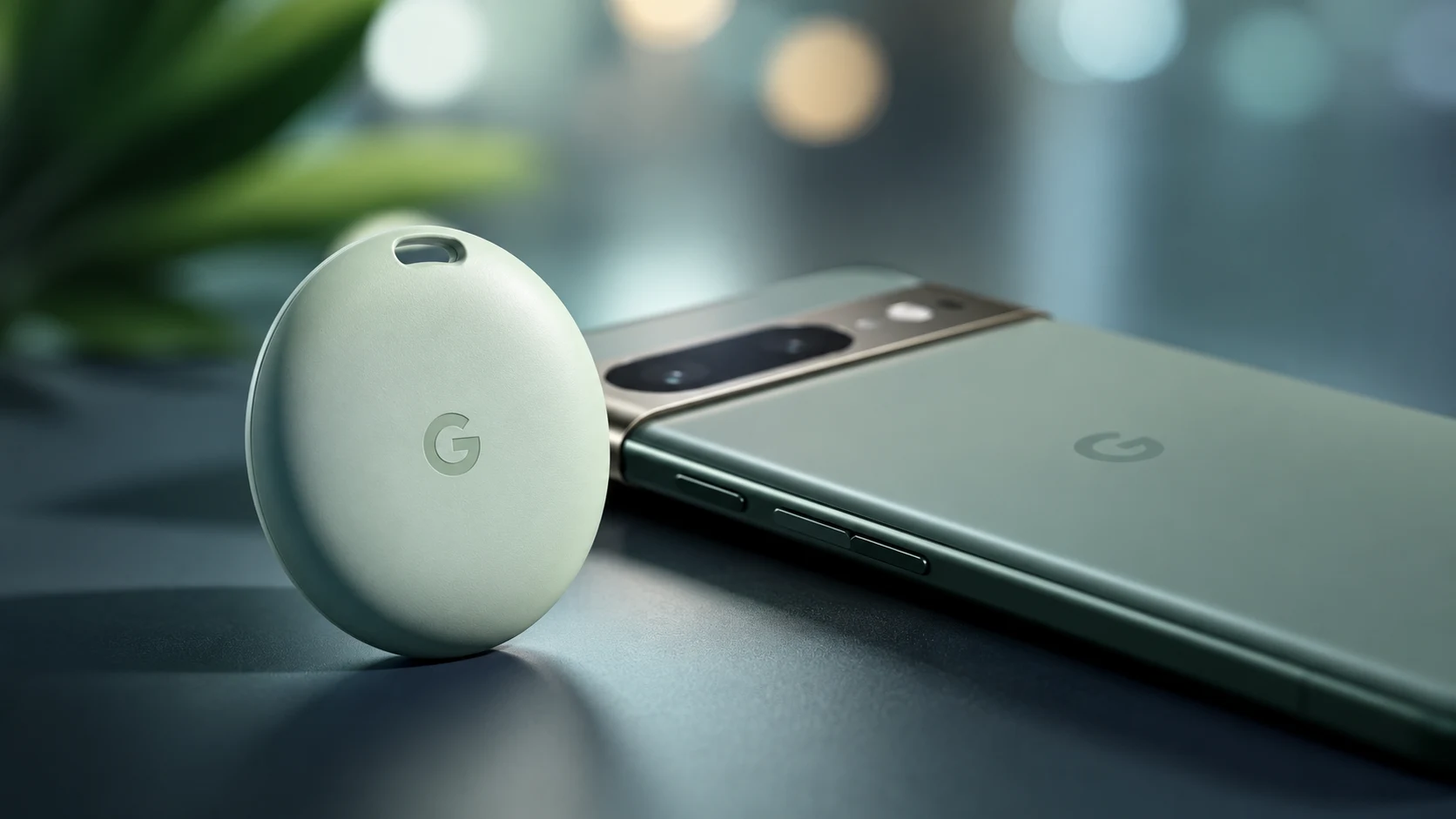
For years, losing a backpack, suitcase, or set of keys has revealed a strangely obvious gap in the Android ecosystem. Apple users could attach an AirTag to almost anything, open the Find My app, and rely on a tightly integrated network of nearby devices to help locate it. Android users had alternatives, but the experience often depended on which phone brand they owned, which third-party tracker they purchased, and whether every feature worked as advertised. Now, a leaked Google Pixel Tag suggests Google may finally be ready to offer its own answer. The small tracker could turn a basic accessory into one of the most important pieces of Google’s expanding hardware strategy.
The timing makes the leak especially interesting. Google has spent years building the infrastructure needed to compete in item tracking, including a crowdsourced location network, privacy protections, and support for more precise short-range finding. What it has not offered is a first-party tracker carrying the Pixel name. That absence has made Google’s tracking platform feel complete on paper but unfinished in stores. A Pixel-branded tag could connect those pieces and give everyday Android users a clear product to buy without researching a maze of compatibility details. It would also place Google in direct competition with one of Apple’s most recognizable accessories.
The Google Pixel Tag Leak Changes the Story
The leaked device appears to be a compact item tracker reportedly called the Google Pixel Tag. Early images show a small, rounded body with a slightly elongated shape rather than a perfect circle. A retail listing also described a built-in speaker intended to help users find nearby belongings by sound. The device is expected to connect with Google’s Find Hub network, the updated identity of the platform previously known as Find My Device. Google has not officially confirmed the tracker, its specifications, its price, or its release schedule, so every leaked detail should still be treated as provisional.
Even with that uncertainty, the leak feels more substantial than a vague rumor. A product image, a recognizable name, and retailer language describing how the tracker works create a clearer picture than an anonymous claim on social media. The listing presents the device as a lightweight and durable tool for finding keys, wallets, bags, and luggage. It also emphasizes privacy, suggesting that Google understands tracking accessories cannot be marketed only around convenience. People want to know that a tag can locate their property without becoming a device that secretly follows someone else. That tension between usefulness and safety will define how the product is received.
The appearance of the Pixel name is also meaningful. Google could have launched a generic Find Hub Tag or revived the Nest brand for the accessory, but Pixel signals a closer relationship with its smartphones and wearable devices. It suggests the tracker may be presented as part of a unified personal hardware ecosystem rather than a background Android service. That approach mirrors the way Apple positions AirTag as an extension of the iPhone experience. It also gives Google a chance to make location tracking feel simple, visual, and consumer-friendly. For buyers, a recognizable name may matter almost as much as the technology inside.
Why Google Has Waited So Long
Creating a Bluetooth tracker is not especially difficult compared with building a flagship smartphone. The real challenge is creating the network that makes the tracker useful after it leaves Bluetooth range. A lost tag needs nearby phones to detect its signal and securely relay its approximate location to the owner. Apple entered this category with an enormous advantage because its global base of iPhones, iPads, and Macs already supported a mature Find My network. Google had to transform Android’s much more diverse ecosystem into something that could provide similarly broad coverage without exposing users to unnecessary tracking risks.
Android is used by many manufacturers, each with different hardware, software schedules, battery policies, and regional footprints. That variety is one of the platform’s biggest strengths, but it makes coordinated features more complicated. Google needed a system that could operate across phones from Pixel, Samsung, Motorola, Xiaomi, OnePlus, and many other brands. It also needed to work quietly in the background without draining batteries or revealing the identities of participating devices. Building the network before launching a first-party tracker was therefore the more cautious approach. The Pixel Tag leak may indicate Google now believes the foundation is strong enough to support a mainstream product.
The company has already expanded the platform beyond simple phone recovery. Find Hub can help users locate compatible devices, accessories, and third-party tracking tags through nearby Android hardware. Google has also added support for Ultra Wideband technology, which can provide directional guidance and more precise distance measurements when both the phone and tracker contain compatible hardware. Location information on the network is designed to be encrypted, reinforcing the idea that participating devices should not learn who owns the missing item. These upgrades make a first-party tracker more practical than it would have been several years ago. They also raise expectations for what the Pixel Tag should deliver at launch.
Pixel Tag Versus Apple AirTag
The inevitable comparison is not really about the shape of the trackers or the volume of their speakers. It is about whether Google can match the smoothness of Apple’s complete experience. AirTag benefits from deep integration with the iPhone, straightforward setup, Precision Finding on supported devices, separation alerts, and access to a huge global network. Apple also sells accessories specifically designed to attach AirTags to keys, bags, bikes, and luggage. A Pixel Tag will need more than a similar list of components to feel competitive. It must make the entire process, from pairing to recovery, almost invisible to the user.
Google does have one potential advantage: the scale and variety of Android. A successful Find Hub network could draw signals from an enormous range of phones across many price levels and regions. In markets where Android dominates, that reach could make a Google tracker especially useful. However, theoretical network size does not automatically guarantee strong real-world coverage. Participation settings, background behavior, software updates, and regional availability can all affect how frequently a lost tag is detected. Google will need to demonstrate that its massive ecosystem behaves like one reliable network rather than a collection of loosely connected devices.
The Pixel Tag could also offer a different kind of flexibility. Apple’s accessory works best when everyone involved uses Apple products, while Google has an opportunity to support a broader range of Android hardware. A person might use a Pixel phone today and switch to a Motorola, Samsung, or OnePlus device next year without replacing every tracker. That cross-brand portability could become one of the strongest reasons to choose Find Hub-compatible accessories. Google must ensure the best features are not artificially restricted to Pixel phones, though some advanced capabilities may naturally require specific hardware. The balance between broad Android support and exclusive Pixel benefits will reveal how open Google wants the ecosystem to be.
The Features That Could Decide Its Success
A built-in speaker is one of the few features directly suggested by the leaked retail description. It may sound basic, but audible finding is essential when a tracker is nearby but hidden under clothing, inside a couch, or buried at the bottom of a bag. The speaker needs to be loud enough to hear in a busy room without making the tracker excessively thick. Google must also protect it against water, dust, and everyday impacts because tags are frequently attached to items that receive rough treatment. A polished design will matter, but durability will determine whether owners trust the device while traveling. The best tracker is the one people can forget about until they actually need it.
Ultra Wideband support may be even more important. Standard Bluetooth can estimate whether a tag is close, but UWB can potentially show a more precise distance and direction. That creates the arrow-style experience people expect from modern premium trackers. Google added UWB functionality to Find Hub before this leak, making it reasonable to expect the company’s own tracker to take advantage of the technology, although the leaked material has not confirmed it. Without UWB, the Pixel Tag could still function well as a network tracker, but it would struggle to feel like a true flagship rival to AirTag. Precision is one of those features that appears unnecessary until someone is searching for a passport minutes before leaving for the airport.
Battery design will also shape the product’s appeal. A replaceable coin-cell battery would let users maintain the tracker for years with minimal cost. A rechargeable battery could reduce disposable waste but would create another device that people must remember to charge. Google may choose a sealed battery for durability, though that could shorten the useful life of the product. Buyers will want a clear low-battery warning and enough endurance to avoid frequent maintenance. Whichever approach Google selects, battery convenience should be treated as a central feature rather than a specification hidden near the bottom of the product page.
Attachment is another practical issue that tech companies sometimes underestimate. AirTag’s smooth disc design requires a separate holder for most keychains and bags. Competing Android trackers often include a hole or built-in loop, making them easier to attach without an accessory. The leaked Pixel Tag image suggests a compact form, but it is not yet clear whether the body includes an attachment point. Google could generate additional accessory sales by requiring a holder, but a built-in loop would make the product more immediately useful. That small design choice could influence reviews more than a flashy software feature.
Privacy Cannot Be a Secondary Feature
Item trackers have always carried a difficult contradiction. The same technology that helps someone find stolen luggage can be misused to monitor another person without consent. Industry safeguards have improved, including alerts for unknown trackers moving with a user and methods for making suspicious tags produce a sound. Still, no protection is perfect, especially when different phone platforms, tracker brands, and software versions interact. Google cannot launch a major first-party tracker and treat anti-stalking features as a footnote. Privacy must be visible in setup, advertising, support pages, and the everyday behavior of the device.
The leaked product language reportedly highlights security and personal data protection, which is a necessary signal rather than proof of a complete solution. Users will need clear explanations of how location reports are encrypted, how long data is retained, and which devices can access a tag. Someone who finds an unknown Pixel Tag should have a simple method for identifying it, disabling it, or obtaining safety instructions. Android and iPhone users should both receive timely warnings when an unfamiliar tag appears to be traveling with them. The system must also avoid overwhelming people with false alerts, because frequent unnecessary warnings can cause users to ignore the one notification that matters. Safety features work only when people understand and trust them.
Google will face close scrutiny because its business already touches location data through Maps, Android, advertising, and other services. Even if the tracking network uses strong encryption, some buyers may remain skeptical about adding another location-aware product to their lives. The company should address that concern directly instead of hiding behind technical language. Transparent controls, understandable privacy settings, and independent security testing could make a meaningful difference. Google also needs a rapid process for investigating abuse reports and patching vulnerabilities. A tracker that wins on convenience but loses public trust will never become a truly mainstream accessory.
Why the Pixel Brand Needs This Accessory
Google’s hardware ambitions have expanded far beyond a single smartphone released once a year. The Pixel family now represents a broader attempt to create a recognizable ecosystem around phones, watches, earbuds, tablets, smart-home devices, and artificial intelligence. Yet ecosystems are often defined by small connections rather than major products. A tracker attached to someone’s keys may be used more frequently than a premium camera mode or experimental AI feature. It gives the smartphone another practical job and encourages users to remain inside the same service network. In that sense, the Pixel Tag could be strategically more valuable than its modest price suggests.
The accessory could also help Google make Find Hub easier to understand. Software networks are difficult to market because consumers cannot hold them, compare their designs, or display them in a store. A first-party tracker turns the platform into a tangible product with a clear purpose. When someone sees Pixel Tag packaging next to a Pixel phone, the relationship becomes obvious. That visibility could also benefit third-party manufacturers whose trackers use the same network. Google would effectively be advertising the entire Find Hub ecosystem every time it promotes its own tag.
This is why the product fits naturally within Gadget Reviews rather than being dismissed as a minor phone accessory. A well-designed tracker reflects the quality of the broader ecosystem behind it. It tests Google’s hardware design, network reliability, privacy engineering, customer support, and ability to create simple consumer experiences. Failure in any one of those areas could make the tag frustrating when it is needed most. Success, however, would give Android users a default choice that feels as obvious as buying an AirTag for an iPhone. Google has spent years trying to make Pixel synonymous with the best version of Android, and this accessory could extend that promise to location tracking.
The Android Tracker Market Is Already Crowded
Google is not entering an empty category. Several manufacturers already sell trackers compatible with Android or Google’s location network, while Samsung operates its own established SmartThings Find ecosystem. Motorola, Chipolo, Pebblebee, Tile, and other companies have developed different combinations of replaceable batteries, rechargeable designs, card-shaped trackers, loud speakers, and attachment options. Some products may remain better for specific use cases even after a Pixel Tag arrives. A slim wallet card, for example, can fit places where a rounded tracker cannot. Google’s challenge is therefore not simply to become the first Android option but to become the easiest recommendation.
A first-party device could create new pressure on those partners. Google controls Android, Find Hub, and the Pixel hardware line, giving it an integration advantage that independent manufacturers cannot fully reproduce. If the Pixel Tag receives exclusive features or better placement inside Android, competitors may worry that the platform owner is favoring its own accessory. On the other hand, a successful Google launch could expand awareness of the category and increase demand for every compatible tracker. Third-party brands could then compete through lower prices, specialized shapes, stronger durability, or longer battery life. The healthiest outcome would be a larger ecosystem in which Google establishes a reliable baseline without limiting innovation.
Samsung remains a particularly important rival because its Galaxy phones represent a huge portion of the premium Android market. SmartTag products benefit from deep integration with Samsung devices and a large installed base of Galaxy users. Google may argue that Find Hub offers broader compatibility across Android brands, while Samsung can emphasize control over its own hardware and software. Consumers could soon face a familiar ecosystem decision: choose the tracker designed for one manufacturer or the tracker intended for Android as a whole. That competition may improve features quickly, but it could also confuse buyers who assume every Android tracker works equally well with every phone.
Pricing Will Send a Strong Message
Google has not confirmed how much the Pixel Tag might cost. The most obvious strategy would be to price it close to Apple’s AirTag and other popular premium trackers. That would frame the device as a direct alternative rather than a budget experiment. Google could also sell discounted multipacks because many households want tags for several keys, bags, and suitcases. Bundle pricing with a Pixel phone, smartwatch, or earbuds could make the tracker an easy ecosystem add-on. A free promotional tag with selected phone preorders would introduce Find Hub to thousands of users who might not purchase a tracker separately.
Accessories can become expensive once holders, key rings, and protective cases are added. Google should avoid making the base product feel incomplete without another purchase. Including an attachment loop or a simple holder would improve the value proposition immediately. The company could still offer premium accessories in different materials and colors for users who want them. It may also encourage third-party case makers to build a wide selection before launch. AirTag developed a massive accessory market, and Google will need similar support if it wants Pixel Tag to appear on backpacks and luggage around the world.
What Android Users Should Watch Before Buying
The leak may be exciting, but potential buyers should wait for several questions to be answered. The first is whether the product supports UWB precision finding or relies mainly on Bluetooth and network location. The second is whether those precision features work across multiple Android brands or only with selected Pixel models. Battery type, water resistance, attachment design, speaker volume, and regional network availability will also matter. Google must clarify how unknown-tracker warnings operate across Android and iOS. A recognizable logo should not replace careful evaluation of the features people actually need.
- Network coverage: Check whether Find Hub operates fully in your country and whether crowdsourced finding is enabled by default.
- Phone compatibility: Confirm which Android versions and hardware features are required for setup and precision finding.
- Battery maintenance: Compare replaceable and rechargeable designs based on how often you are willing to service the tracker.
- Attachment options: Include the cost of a holder or key ring when comparing the final price.
- Privacy controls: Review unknown-tracker alerts, sharing permissions, and instructions for disabling an unfamiliar device.
Current owners of compatible third-party tags should not assume the Pixel model will automatically make their devices obsolete. A tracker’s usefulness depends heavily on its shape, battery, attachment method, and the reliability of the network it uses. If an existing product already works through Find Hub, a Google-branded tag may deliver a more polished setup without changing the fundamental location network. It may also introduce new capabilities that later become available to partner products through software updates. Waiting for independent testing will reveal whether Google’s hardware offers a meaningful advantage. Early excitement should be balanced with the reality that trackers are practical tools, not status gadgets.
A Small Gadget With a Much Bigger Impact
The most important consequence of Pixel Tag may be the normalization of item tracking across Android. Many Android users know AirTag exists but have never explored the alternatives available for their own phones. A product placed prominently in Google Stores, carrier shops, and electronics retailers could change that awareness quickly. It could encourage phone manufacturers to improve UWB support and motivate accessory makers to create more Find Hub-compatible products. Airlines, hotels, rental companies, and delivery services may also encounter more Android-based trackers as adoption grows. A tiny tag could therefore accelerate an entire layer of location technology around the world’s largest mobile platform.
The product also reflects a broader shift in consumer technology. The biggest ecosystem battles are no longer fought only through phones and laptops. They are fought through watches, earbuds, payment services, cloud storage, smart-home controls, identity systems, and accessories that quietly connect everyday objects. Each device gives a platform another reason to remain part of a person’s routine. A tag may cost little compared with a flagship phone, but it strengthens habits and increases switching friction. Once someone has trackers attached to multiple belongings, changing ecosystems becomes more complicated than replacing one handset.
That does not mean users are trapped automatically. Open standards and cross-platform safety protections can reduce the walls between ecosystems. Google has an opportunity to prove that a first-party accessory can work broadly across Android while still delivering a premium Pixel experience. It can also cooperate with Apple and other companies on unwanted-tracking alerts, making the category safer regardless of which brand someone uses. The choices made around interoperability may be as important as the tracker’s design. Consumers benefit most when companies compete on quality without turning safety and basic compatibility into exclusive features.
The Real Test Comes After the Leak
Leaks tend to compress a product into a few easy talking points: a name, an image, a possible launch date, and a comparison with a famous rival. Real-world tracking is much messier. The device must remain connected after months of use, survive rain and impacts, produce accurate location updates, and avoid generating unnecessary notifications. It must work when someone is stressed, traveling, or standing in a crowded station looking for a missing bag. Those moments will determine whether Pixel Tag deserves trust. Marketing can create curiosity, but reliability creates loyalty.
Google’s reported August hardware event provides an obvious stage for an announcement alongside new Pixel devices, though the company has not confirmed that the tracker will appear there. The event is scheduled for August 12, and reports have already linked it with the next Pixel phone lineup and additional hardware. A tracker would fit naturally into an ecosystem-focused presentation because it demonstrates how Android devices can cooperate beyond the screen. Still, leaked retail listings sometimes appear early, contain placeholders, or include incorrect details. Until Google presents the product, the final name, design, launch markets, and capabilities remain uncertain.
Conclusion: Pixel Tag Could Be Google’s Missing Link
The leaked Google Pixel Tag matters because it could transform Find Hub from a useful Android feature into a recognizable consumer ecosystem. Google already has the phones, software, location network, privacy framework, and growing support for precise finding. A first-party tag would bring those elements together in a product that people can immediately understand. It would also challenge Apple AirTag more directly than a collection of third-party Android accessories ever could. The result could be stronger competition, better tracking hardware, and more choices for people who simply want to stop losing their keys.
There are still major unknowns, including price, battery design, UWB support, compatibility, release regions, and anti-stalking protections. Google must answer those questions clearly if it wants the device to become more than another accessory announced beside a flagship phone. The company’s greatest advantage is the scale of Android, but scale only matters when the network is dependable and easy to use. Its greatest risk is assuming that brand recognition can compensate for an unfinished experience. If Google gets the details right, Pixel Tag could become the default tracker for Android users and one of the most quietly influential gadgets in the Pixel lineup.