
Pixel 11 Price Leak Raises the Upgrade Cost
 Vortixel
15 minutes read
Vortixel
15 minutes read
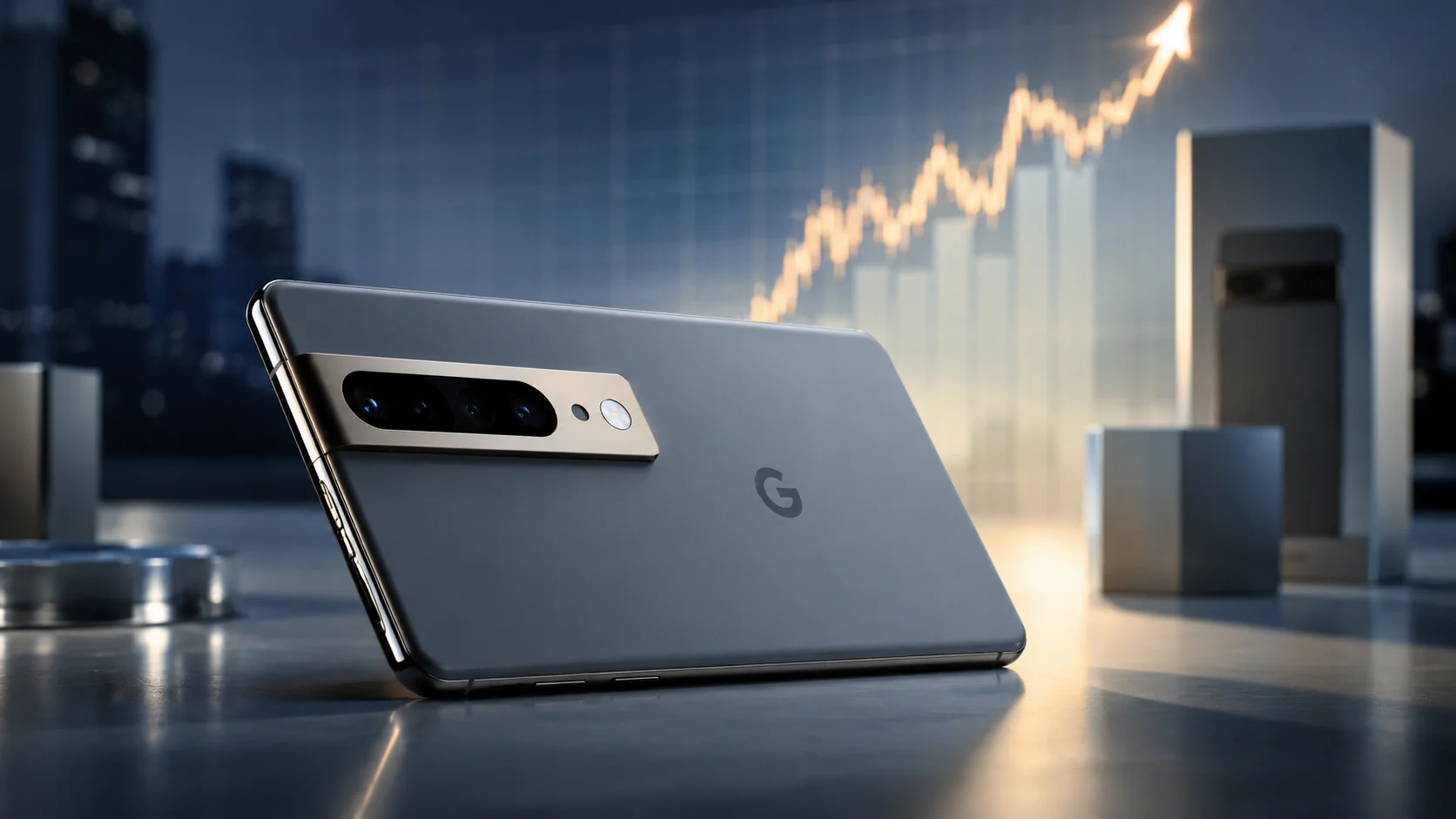
Google’s next smartphone launch was supposed to be a familiar moment: a polished hardware reveal, a fresh collection of AI features, and another attempt to turn Pixel loyalty into mainstream momentum. Instead, the conversation has shifted toward a number that buyers notice before almost anything else. The latest Pixel 11 price leak suggests that Google’s standard flagship could start at $899, potentially raising the cost of entering the Pixel ecosystem by $100. That increase may arrive alongside 256GB of base storage, but extra capacity does not automatically make a higher checkout total feel painless. For shoppers who have watched premium phone prices steadily climb, the Pixel 11 could become a test of how much value Google can communicate before buyers decide to keep their current devices.
The timing makes the leak especially interesting because Google is no longer pitching Pixel phones as quirky alternatives made primarily for photography fans and Android enthusiasts. The company has spent years positioning the lineup as a complete premium platform built around custom chips, long software support, advanced cameras, and Gemini-powered experiences. That strategy naturally pushes Pixel closer to the pricing territory occupied by Apple and Samsung, but it also removes the forgiving space Google once enjoyed as the less expensive choice. A customer considering an $899 phone will compare every detail, from battery endurance and thermal performance to resale value and accessory support. The Pixel 11 therefore needs to feel like a meaningful new chapter rather than an annual software refresh wrapped in slightly updated hardware.
What the Pixel 11 Price Leak Suggests
The reported pricing structure points to a standard Pixel 11 with 256GB of storage starting at $899, while a 512GB version could move beyond the thousand-dollar line. The Pixel 11 Pro is rumored to begin at $1,099, followed by a larger Pixel 11 Pro XL at approximately $1,299. Google’s next foldable may sit even higher, with the Pixel 11 Pro Fold reportedly approaching $1,899 before storage upgrades or protection plans are added. None of these figures should be treated as official until Google announces the lineup, because retail listings and prelaunch leaks can contain placeholders or regional differences. Even so, repeated pricing reports have created a consistent picture: the Pixel 11 family may require more money upfront than the generation it replaces.
The storage change is central to understanding the rumored increase. Instead of selling a 128GB configuration as the cheapest option, Google may establish 256GB as the new baseline for both the Pixel 11 and Pixel 11 Pro. That is a practical improvement for users who record high-resolution video, download large games, save offline media, or keep phones for several years. Modern operating systems, AI models, photo libraries, and app caches can make 128GB feel restrictive much sooner than it did a few generations ago. However, removing the lower-capacity model also eliminates the lower entry price, meaning budget-conscious buyers may be forced to pay for storage they did not necessarily plan to purchase.
This is where the language around “value” becomes complicated. A 256GB Pixel 11 priced at $899 might cost roughly the same as a comparable storage tier from the previous generation, so Google could argue that shoppers are receiving more capacity rather than paying more for the same configuration. From the customer’s perspective, however, the least expensive way to buy the new flagship would still become more expensive. Monthly installment plans can make the difference appear small, but the total cost remains real once taxes, a case, a charger, insurance, and other accessories enter the calculation. The Pixel 11 price increase may therefore feel reasonable on a specification sheet while still creating friction at the moment of purchase.
Google Is Entering a Tougher Smartphone Tier
At $899, the regular Pixel 11 would no longer sit comfortably below many mainstream flagship rivals. It would enter a crowded tier where buyers expect excellent performance, dependable battery life, premium construction, strong cameras, and software that works without persistent compromises. Google has already built credibility in computational photography and Android updates, but competitors have improved in those areas while maintaining advantages in retail presence, hardware consistency, and ecosystem depth. The old argument that a Pixel offered flagship intelligence for noticeably less money becomes harder to make when the price difference disappears. Google would need to sell the Pixel 11 as the smartest overall phone, not merely the smartest phone at a discount.
That shift also changes the emotional expectations surrounding the device. Buyers tend to forgive minor issues when a product offers obvious savings, but they become less patient once it reaches the same price as market-leading alternatives. A modem problem, inconsistent fingerprint reader, warm chassis, or weaker-than-expected battery can feel more serious when the phone costs nearly $900. Premium pricing is not just a financial category; it is a promise that the product will be polished across daily situations. The Pixel 11 must therefore deliver stability during navigation, photography, gaming, video calls, mobile payments, and long days away from a charger.
Google also has to compete with discounted devices that were premium flagships only months earlier. Once the Pixel 11 launches, the Pixel 10 series will likely receive retailer promotions, carrier incentives, and resale-market price cuts. A reduced Pixel 10 Pro could become particularly attractive if its camera hardware, display quality, and AI tools remain close to the new model. Shoppers who are not emotionally attached to owning the latest device may see an older Pro model as the smarter purchase. This internal competition means the Pixel 11 cannot rely solely on being newer; it needs benefits that remain persuasive even when last year’s phone becomes significantly cheaper.
More Storage Helps, but It Is Not the Whole Upgrade
Doubling base storage is one of the strongest arguments in favor of the rumored pricing structure. A phone designed to last for many years should not make users constantly manage photos, uninstall applications, or depend on a cloud subscription for basic breathing room. With 256GB, most buyers would have enough local capacity for large photo libraries, downloaded playlists, offline maps, and several demanding games. It could also reduce anxiety around future Android updates and increasingly large on-device AI assets. For creators who regularly capture 4K footage or edit content on their phones, the additional storage could be more valuable than a minor camera specification change.
Still, storage is relatively inexpensive for manufacturers compared with components such as displays, camera sensors, memory, and advanced processors. Consumers understand that difference, even when they do not follow semiconductor pricing closely. A storage increase feels most generous when it arrives without a major jump in the minimum price, as several competitors have demonstrated in past product cycles. When the entry cost rises at the same time, the upgrade can look more like a way to justify removing the affordable option. Google will need to show that the Pixel 11 offers broader improvements rather than presenting 256GB as the single explanation for a more expensive device.
The rumored hardware package may include Google’s next-generation Tensor G6 processor, a Titan M3 security component, a 6.3-inch OLED display, and a battery approaching 5,000mAh. Those details sound appropriate for a modern flagship, but numbers alone rarely reveal how a phone feels after months of use. Tensor G6 will be judged by sustained performance, efficiency, heat management, cellular reliability, and its ability to run demanding AI tasks without draining the battery. The display will be evaluated outdoors, at low brightness, and during long viewing sessions rather than only through peak-brightness claims. The larger question is whether all these parts create a noticeably smoother and more dependable Pixel experience.
AI Could Become Google’s Main Value Argument
Google’s strongest reason for asking buyers to spend more may not be traditional hardware at all. The Pixel line has become the company’s showcase for Gemini, contextual assistance, automated call tools, intelligent photo editing, voice transcription, and features that try to understand what the user is doing across apps. If the Pixel 11 introduces AI tools that save meaningful time, the higher price could be easier to defend. A phone that organizes complicated information, summarizes conversations, handles repetitive tasks, and improves communication can feel more valuable than one offering another small increase in benchmark performance. The challenge is proving that these tools are reliable enough to become daily habits rather than launch-event demonstrations.
Consumers are also becoming more skeptical about AI being used as a universal justification for higher technology prices. Many smartphone features branded as artificial intelligence are convenient, but they do not always change the core experience of messaging, browsing, photography, navigation, and entertainment. Some capabilities require an internet connection, work only in selected languages, or arrive gradually after launch. Others may eventually become available on older Pixel models through software updates, weakening their ability to sell new hardware. Google must distinguish which Pixel 11 features are truly exclusive, which rely on new processing capabilities, and which will remain useful after the novelty wears off.
There is also the question of subscription fatigue. Buyers may accept a premium device price when its best features remain included throughout ownership, but enthusiasm can fade if advanced AI functions later require recurring payments. Google already operates services across cloud storage, productivity, entertainment, and artificial intelligence, creating opportunities to bundle features while also creating confusion about what the phone price actually covers. Clear communication will matter as much as the technology itself. An $899 Pixel 11 should feel complete on day one without pushing users toward another monthly expense to unlock the experience shown in advertisements.
Rumored Camera Changes Could Shape the Reaction
Pixel phones built much of their reputation through photography, so camera decisions will have an outsized influence on whether buyers accept the new price. Some reports suggest the standard Pixel 11 may use a dual rear-camera system rather than carrying a dedicated telephoto lens. That would create a difficult contrast if the entry price rises while the camera package becomes less versatile than expected. Google’s image processing could still produce excellent portraits, night photos, and digital zoom results, but computational photography cannot fully replace the optical reach of dedicated hardware. At nearly $900, customers may reasonably expect more flexibility rather than a carefully managed separation between the regular and Pro models.
The Pro devices face a different problem because their camera hardware may remain relatively familiar. Consistency is not inherently negative, especially when existing sensors already produce strong results, but premium buyers want to understand what they are receiving for a higher price. Improved image processing, faster capture, better skin-tone accuracy, cleaner zoom, and more natural video could matter more than headline megapixel counts. However, those upgrades must be visible in real-world comparisons rather than buried inside technical explanations. Google’s photography advantage is strongest when ordinary users can point the camera, press the shutter, and immediately see why the phone is special.
Video performance may be another important battleground. Pixel photography has often received more praise than Pixel video, while competing flagships have built loyal creator communities around dependable recording quality and strong social-media workflows. A costlier Pixel 11 gives Google less room to treat video as a secondary feature. Buyers will look for stable footage, clear audio, natural color, reliable autofocus, and manageable heat during extended recording. Better editing tools would help, but the original footage must already look polished before AI enhancement enters the process.
The Price Leak Reflects a Bigger Industry Trend
The rumored increase does not exist in isolation. Smartphone manufacturers are dealing with higher component costs, expensive chip development, memory demand, global logistics, and the growing resources required to support devices for longer periods. AI development adds another layer because companies are building specialized processors, cloud infrastructure, and software teams to deliver features that consumers increasingly expect. At the same time, annual hardware improvements have become less dramatic, making every price increase harder to explain. The industry is asking people to spend more during a period when many existing phones remain perfectly functional.
This creates a strange premium-phone economy. New devices become more expensive, yet aggressive trade-in programs and carrier contracts make the advertised price feel negotiable. A buyer may see an $899 retail figure but pay much less after exchanging an old phone, accepting a multiyear service commitment, or waiting for a seasonal promotion. Manufacturers can raise official prices while using incentives to control how much different customer groups actually pay. The result is a market where patient shoppers often receive better value than loyal fans who preorder immediately.
Google has historically relied on discounts more heavily than some rivals, and that pattern could influence Pixel 11 launch behavior. Customers who expect a major promotion within weeks may hesitate to buy at full price, weakening the impact of the initial release. Google can counter that hesitation with strong preorder bonuses, enhanced trade-in values, store credit, or bundled accessories. However, constant discounting can also undermine the premium identity the company is trying to build. A phone positioned as an $899 flagship needs to feel worth $899 even if many buyers eventually obtain it for less.
Who Should Consider Buying the Pixel 11?
The Pixel 11 may make the most sense for users upgrading from significantly older devices. Someone moving from a Pixel 6, Pixel 7, or an aging midrange Android phone could experience meaningful improvements in display quality, battery efficiency, connectivity, software support, camera processing, and on-device intelligence. The larger storage baseline would also make the phone more comfortable to keep for several years. For that audience, the purchase should be evaluated as a long-term replacement rather than a one-generation upgrade. Dividing the cost across five to seven years of use can make a premium price easier to justify, especially when updates remain dependable.
Owners of recent Pixel models should approach the upgrade more carefully. A Pixel 9 or Pixel 10 user may already have access to many of Google’s most valuable software features, along with cameras and displays that remain competitive. Unless Tensor G6 delivers a major efficiency breakthrough or the Pixel 11 introduces genuinely transformative functionality, the daily difference could be modest. Trading a relatively new phone also creates financial loss and additional electronic waste. Waiting another generation may provide a larger performance jump and a clearer reason to spend premium money.
Photography-focused buyers should wait for full camera testing rather than relying on launch samples. Battery-conscious users should pay attention to controlled endurance results, modem behavior, and thermal performance across both Wi-Fi and cellular use. Mobile gamers should examine sustained frame rates instead of short benchmark peaks, because custom Tensor chips have traditionally prioritized Google’s machine-learning goals over maximum gaming power. Travelers should consider connectivity, dual-SIM flexibility, repair options, and international warranty coverage. The best choice will depend less on the launch presentation and more on how the Pixel 11 performs in the specific situations that shape each person’s routine.
Practical Steps Before Paying the Higher Price
Potential buyers should begin by checking how much storage they currently use. Someone occupying only 70GB after several years may not receive much immediate value from a mandatory 256GB configuration. A creator already managing more than 150GB of local files could see the new baseline as a major quality-of-life improvement. Reviewing battery health, repair costs, and software support on the current phone can also reveal whether an upgrade is truly necessary. A slower device may simply need a battery replacement or storage cleanup rather than a complete replacement.
It is also worth comparing the total ownership cost rather than the retail price alone. Buyers should include accessories, device protection, potential AI subscriptions, repairability, trade-in value, and expected resale price. A slightly more expensive phone can be the better deal if it lasts longer and retains value, while a cheaper device can become costly if it needs early replacement. Google’s long update policy strengthens the Pixel 11’s long-term case, but only if the hardware remains reliable enough to benefit from those updates. Reading independent testing after release will provide more useful information than making a decision based only on storage and launch-day features.
Waiting for the first major promotion may be the most practical strategy for many shoppers. Pixel devices frequently appear in carrier offers, holiday sales, and Google Store trade-in campaigns, sometimes reducing the effective cost by a substantial amount. Waiting also allows early software bugs to surface and gives reviewers time to test battery life, cameras, heat, and connectivity under normal conditions. The downside is that the best preorder bonuses may disappear, particularly when bundles include valuable earbuds or store credit. Buyers should compare the real value of those bonuses with the likely savings from a later discount rather than assuming either option is automatically superior.
What the Pixel 11 Must Prove After Launch
The first task is proving that Tensor G6 represents more than another incremental custom chip. Google does not need to win every benchmark, but it does need to deliver a phone that stays cool, feels consistently fast, maintains strong cellular connections, and survives a demanding day. Improved efficiency would strengthen nearly every part of the experience, from camera processing to navigation and AI assistance. A larger battery means little if background services or a power-hungry modem consume the advantage. Real-world endurance could become the most persuasive response to concerns about the higher price.
The second task is making the software feel finished. Pixel launches often introduce ambitious features that continue evolving through later updates, but premium buyers increasingly expect reliability from the beginning. Core functions such as calling, messaging, biometrics, Bluetooth, Android Auto, notifications, and camera capture should work without requiring months of patches. New AI tools should clearly explain when data is processed locally and when information is sent to the cloud. Trust will be essential if Google wants users to give the phone deeper access to personal context, communication, and daily tasks.
The third task is demonstrating why the standard Pixel 11 deserves its place beside the Pro models. Companies often weaken regular flagships to encourage expensive upgrades, but that approach becomes harder to accept when the base device already costs close to $900. The standard model needs a complete identity with strong battery life, excellent cameras, premium materials, and enough memory to support its promised AI future. It should not feel like a collection of deliberate omissions designed to make the Pro version more appealing. Buyers paying flagship money deserve a flagship experience even without choosing the most expensive model.
A Costlier Pixel Could Still Be the Right Pixel
The Pixel 11 price leak changes the tone of Google’s upcoming launch, but it does not determine the final verdict. A higher starting price can be reasonable when it brings more useful storage, stronger efficiency, dependable hardware, longer ownership, and software that genuinely improves everyday life. The problem begins when the price rises faster than the experience. Google has built enough momentum for the Pixel 11 to receive serious attention, yet that attention will arrive with tougher questions than before. Buyers will want evidence that they are funding a better phone rather than simply absorbing higher industry costs.
The wisest response is neither immediate outrage nor automatic enthusiasm. Leaks provide an early framework, but official pricing, regional configurations, trade-in offers, camera tests, and battery results will shape the actual value. Readers following the latest smartphone trends should pay close attention to how Google explains the relationship between storage, AI, hardware choices, and long-term support. If the Pixel 11 turns those pieces into a polished and durable experience, $899 may feel expensive but defensible. If the upgrade remains too similar to discounted older models, the most compelling Pixel of the year may be the one already sitting in someone’s pocket.