
MacBook Neo Leads New Gadget Wave in April 2026
 Vortixel
8 minutes read
Vortixel
8 minutes read
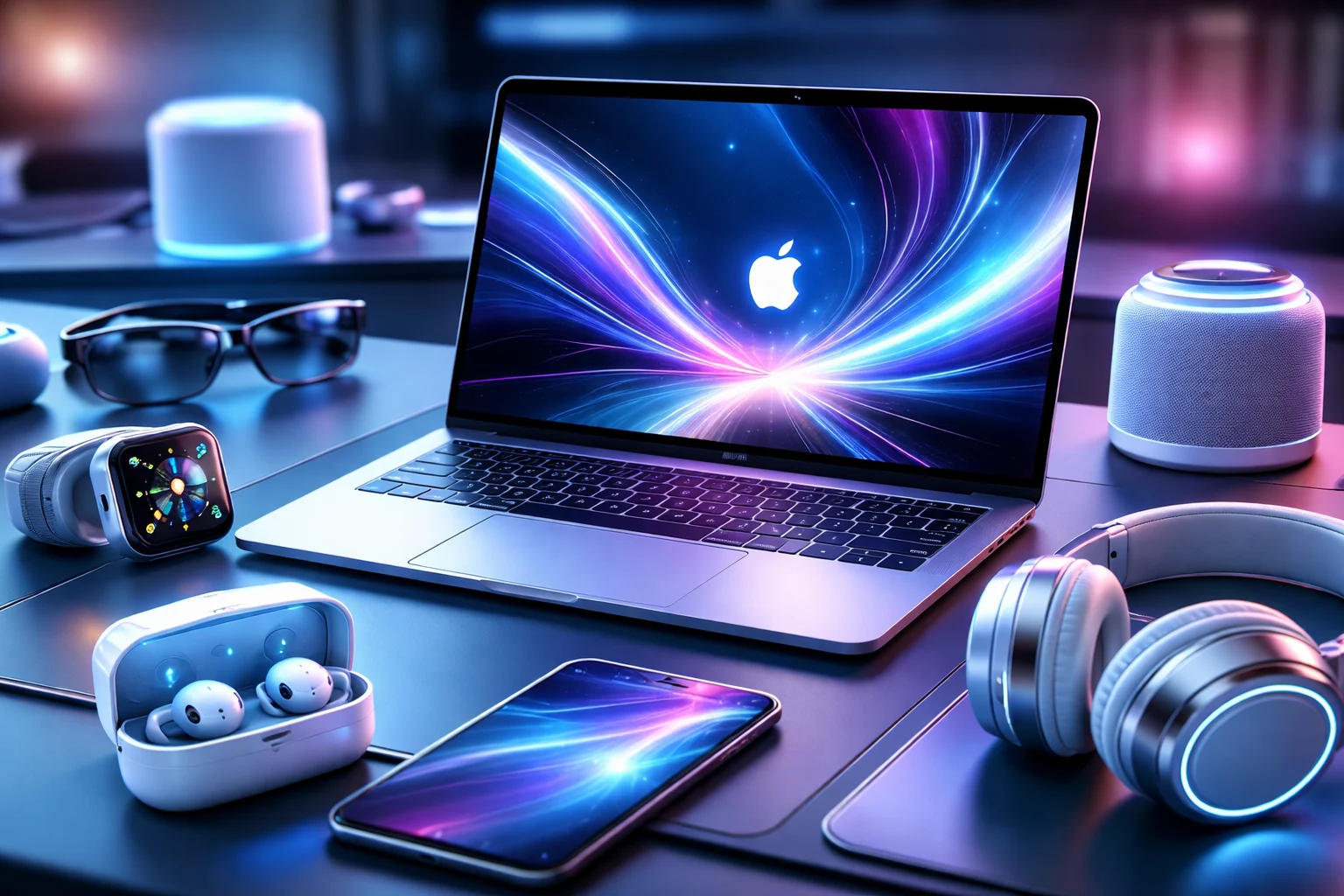
Introduction: A New Chapter in Gadget Innovation
April 2026 is shaping up to be one of the most exciting months in the tech industry, especially for gadget enthusiasts who are always chasing the next big thing. The spotlight is currently on the rumored and widely discussed MacBook Neo, a device that is said to redefine the boundaries between portability, performance, and AI integration. Alongside it, a wave of new smart gadgets has entered the market, creating a competitive yet thrilling environment for both consumers and tech brands. This surge is not just about incremental upgrades, but about a shift toward smarter, more adaptive, and deeply personalized technology ecosystems. As global demand for productivity and digital lifestyle tools continues to grow, companies are pushing innovation faster than ever. The result is a gadget landscape that feels more futuristic than anything we’ve seen before.
MacBook Neo: The Center of Attention
The MacBook Neo is not just another iteration of Apple’s laptop lineup, but rather a strategic leap into the future of computing. Early reports suggest that this device combines ultra-lightweight design with a next-generation chip that emphasizes AI-driven performance. Unlike previous MacBook models, the Neo is rumored to feature adaptive processing, meaning it learns user habits and optimizes performance in real time. This approach aligns with the growing trend of AI-powered devices that go beyond static hardware capabilities. The device is also expected to bring improvements in battery efficiency, potentially lasting significantly longer under heavy workloads. For digital creators, developers, and remote workers, this could be a game-changer in how they approach productivity.
Another key highlight is the rumored redesign, which focuses on minimalism and portability without sacrificing power. The MacBook Neo may introduce a thinner chassis, improved thermal management, and a near-borderless display that enhances visual immersion. Apple is also expected to integrate deeper ecosystem connectivity, allowing seamless transitions between devices like iPhones, iPads, and wearables. This ecosystem synergy has always been Apple’s strength, but with the Neo, it appears to be evolving into something far more intelligent. The combination of hardware, software, and AI could position the MacBook Neo as a flagship device for the next era of computing.
The Rise of AI-Powered Gadgets in 2026
Beyond the MacBook Neo, April 2026 has introduced a range of AI-driven gadgets that are reshaping how users interact with technology. From smart home devices to wearable tech, artificial intelligence is no longer a feature but a core foundation. These gadgets are designed to anticipate user needs, automate daily tasks, and provide personalized experiences that feel almost intuitive. For example, new smart assistants are capable of understanding context more accurately, allowing them to respond in ways that feel natural and human-like. This level of sophistication is made possible by advancements in machine learning models and edge computing.
Wearable devices are also seeing significant upgrades, with health tracking becoming more advanced and predictive. Instead of simply monitoring metrics, these gadgets can now analyze trends and provide actionable insights. This shift from reactive to proactive technology is one of the defining characteristics of the current gadget wave. Consumers are no longer satisfied with devices that just perform tasks; they want tools that enhance their lives in meaningful ways. As a result, companies are investing heavily in AI research and development to stay competitive in this rapidly evolving market.
Design Trends: Sleek, Minimal, and Functional
One of the most noticeable trends in the April 2026 gadget lineup is the emphasis on sleek and minimalist design. Devices are becoming thinner, lighter, and more aesthetically refined, reflecting a broader shift toward simplicity and elegance. This design philosophy is not just about appearance, but also about functionality and user experience. By reducing unnecessary elements and focusing on essential features, manufacturers are creating products that are both visually appealing and highly practical. The MacBook Neo, for instance, is expected to embody this approach with its streamlined design and intuitive interface.
Materials are also evolving, with a greater focus on sustainability and durability. Many new gadgets are being built using recycled or eco-friendly materials, aligning with the growing demand for environmentally conscious products. This trend is particularly important for younger consumers, who are increasingly prioritizing sustainability in their purchasing decisions. At the same time, durability remains a key factor, as users expect their devices to withstand daily use without compromising performance. The balance between aesthetics, sustainability, and durability is becoming a defining feature of modern gadget design.
Performance vs Portability: Finding the Perfect Balance
In the past, consumers often had to choose between performance and portability when selecting a device. High-performance laptops were typically bulky and heavy, while lightweight devices often lacked power. However, the latest gadgets in April 2026 are challenging this trade-off by offering high performance in ultra-portable form factors. The MacBook Neo is a prime example of this trend, combining powerful processing capabilities with a compact and lightweight design. This balance is made possible by advancements in chip technology and energy efficiency.
For professionals who are constantly on the move, this development is particularly significant. The ability to carry a powerful device without being weighed down opens up new possibilities for remote work and digital creativity. It also reflects the changing nature of work itself, which is becoming increasingly flexible and location-independent. As more people embrace hybrid work models, the demand for versatile and portable devices is expected to continue growing. Manufacturers are responding to this demand by pushing the boundaries of what is possible in terms of design and performance.
The Role of Ecosystems in Modern Gadgets
Another major trend in the April 2026 gadget landscape is the importance of integrated ecosystems. Devices are no longer standalone products but part of a larger network that works together seamlessly. This interconnected approach enhances user experience by allowing devices to share data and functionality. For example, a laptop can sync with a smartphone, smartwatch, and smart home system, creating a unified digital environment. The MacBook Neo is expected to play a central role in Apple’s ecosystem, acting as a hub for various connected devices.
This level of integration is particularly appealing to users who value convenience and efficiency. By reducing the need to switch between different platforms and applications, ecosystems streamline workflows and improve productivity. They also create a sense of continuity, as users can move between devices without losing context. However, this trend also raises questions about compatibility and user choice, as ecosystems can sometimes limit flexibility. Despite these concerns, the benefits of integration are driving widespread adoption across the tech industry.
Consumer Expectations in 2026
The rapid pace of innovation in the gadget industry has significantly raised consumer expectations. Users now expect devices to be faster, smarter, and more intuitive than ever before. They also demand seamless integration, long battery life, and high-quality design. These expectations are shaping the way companies approach product development, pushing them to deliver more value with each new release. The MacBook Neo is a clear example of how manufacturers are responding to these demands by incorporating advanced features and cutting-edge technology.
At the same time, affordability remains a key concern for many consumers. While premium devices offer impressive capabilities, not everyone can justify the high price tags. This has led to a growing market for mid-range gadgets that offer a balance between performance and cost. Companies are exploring new strategies to make advanced technology more accessible, such as modular designs and subscription-based services. As competition intensifies, consumers are likely to benefit from a wider range of options and better value for money.
Challenges Facing the Gadget Industry
Despite the excitement surrounding new gadget releases, the industry also faces several challenges. One of the biggest issues is supply chain disruption, which can impact production and availability. Global events and economic factors have made it more difficult for companies to source materials and components, leading to delays and increased costs. Another challenge is the growing concern over data privacy and security, especially as devices become more interconnected and reliant on AI.
Environmental impact is also a significant concern, as the production and disposal of electronic devices contribute to pollution and resource depletion. Companies are under increasing pressure to adopt sustainable practices and reduce their carbon footprint. This includes using eco-friendly materials, improving energy efficiency, and promoting recycling programs. While progress is being made, there is still a long way to go in addressing these issues. The success of future gadgets will depend not only on innovation but also on how well these challenges are managed.
What This Means for the Future of Technology
The arrival of the MacBook Neo and other new gadgets in April 2026 signals a broader تحول in the tech industry. We are moving toward a future where devices are not just tools but intelligent companions that adapt to our needs. This shift has the potential to transform various aspects of daily life, from work and education to entertainment and health. As technology continues to evolve, the line between physical and digital experiences will become increasingly blurred.
Looking ahead, we can expect even greater integration of AI, more advanced hardware capabilities, and continued emphasis on user-centric design. The pace of innovation shows no signs of slowing down, and each new generation of gadgets will likely bring new possibilities and challenges. For consumers, this means more choices and opportunities to enhance their digital lifestyles. For companies, it means staying ahead of the curve in an increasingly competitive market.
Conclusion: April 2026 as a Turning Point
April 2026 may very well be remembered as a turning point in the evolution of smart gadgets. With the introduction of devices like the MacBook Neo and a wave of AI-powered innovations, the industry is entering a new phase of growth and transformation. These developments are not just about technology but about how we interact with the world around us. As gadgets become more intelligent and integrated, they are reshaping the way we live, work, and connect.
For Gadget Vortixel readers, this is the moment to stay informed and explore the possibilities that these new technologies offer. Whether you are a tech enthusiast, a professional, or simply someone who enjoys the latest gadgets, the current wave of innovation has something for everyone. The future of smart technology is here, and it is more exciting than ever.