
ASUS Pad Ready for Global Tablet Market Push
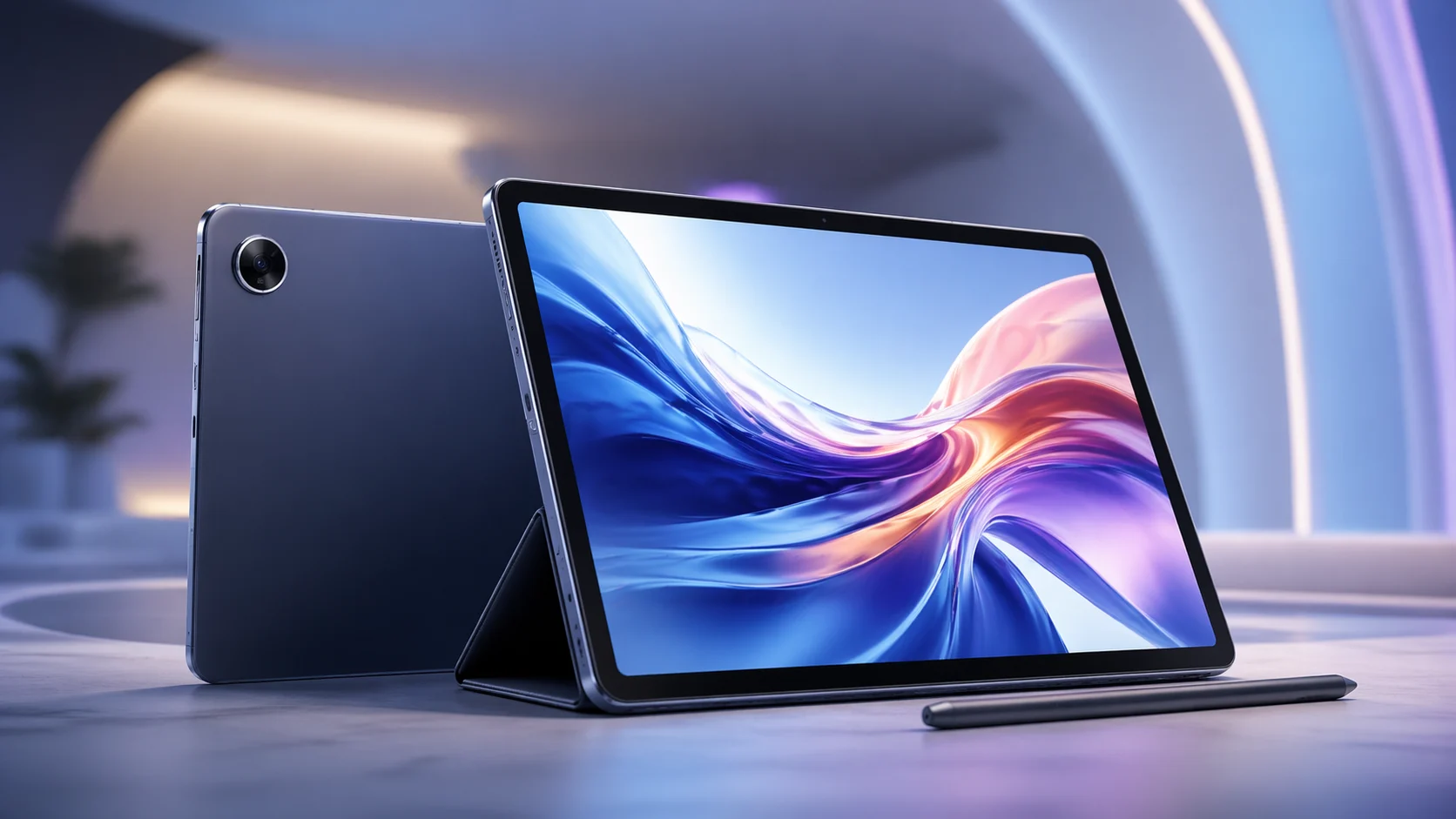
The global tablet industry is entering a fresh growth cycle, and one brand now stepping into the spotlight is ASUS. Known worldwide for laptops, gaming hardware, motherboards, and premium productivity devices, ASUS is now preparing a stronger push into the tablet category with the arrival of the new ASUS Pad. This move signals a major expansion strategy as the company aims to capture users who want entertainment, productivity, gaming, and portability in one device.
For years, the tablet market has been dominated by a few familiar names. Apple ruled the premium segment, Samsung built a strong Android ecosystem, and Lenovo steadily captured budget and business users. But now the landscape is changing. Consumers want more choices, better value, stronger performance, and devices that fit hybrid lifestyles. That is where ASUS Pad enters the conversation.
The new ASUS Pad is not just another tablet launch. It represents a shift in how ASUS sees the future of mobile computing. With work-from-anywhere culture, cloud gaming, AI productivity tools, online learning, and streaming habits rising worldwide, tablets are becoming essential daily devices again. ASUS appears ready to challenge bigger players by combining its hardware experience with aggressive pricing and modern features.
This article explores why the ASUS Pad matters, what it could bring to the market, why timing is important, and how it may reshape the global tablet race in 2026 and beyond.
Why ASUS Is Entering the Tablet Spotlight Again
ASUS is not new to tablets. The company has released Android tablets and hybrid devices before, but many earlier products arrived in a market that was less mature or too competitive. Now conditions are different. Tablets are no longer seen as oversized phones or limited laptops. They have become their own category.
Modern users rely on tablets for multiple reasons:
- Watching movies and streaming content
- Digital drawing and note-taking
- Remote work meetings
- Mobile gaming
- Reading and education
- Smart home control
- Travel productivity
- Social media content creation
Because of this shift, ASUS has an opportunity to re-enter with stronger purpose. The ASUS Pad can target users who want flexibility without paying premium flagship prices.
ASUS also understands hardware design deeply. Its experience in gaming devices like ROG products, creator laptops, OLED displays, battery optimization, and cooling systems gives the company a strong foundation. If those strengths are translated into a tablet, ASUS could create a serious competitor.
The Global Tablet Market Is Heating Up Again
Many people assumed tablets peaked years ago, but that idea no longer holds up. The tablet market has evolved instead of disappearing. Recent trends show increasing demand in several sectors.
1. Remote and Hybrid Work
Professionals need lightweight devices for email, presentations, note-taking, and meetings. Tablets with keyboards now replace laptops for many users.
2. Digital Learning
Students across the world use tablets for classes, e-books, online assignments, and educational apps.
3. Entertainment Growth
Streaming platforms, mobile gaming, and reading apps make tablets ideal couch devices.
4. AI Productivity Tools
New AI apps for writing, editing, summarizing, translating, and design are making tablets smarter than ever.
5. Portable Creativity
Artists and creators use stylus-based tablets for illustration, editing, planning, and publishing.
Because of these trends, the timing for ASUS Pad looks smart. ASUS is entering when demand is broad and users are more open to trying alternatives.
What the ASUS Pad Could Offer Users
Although final regional specifications may vary, market expectations suggest ASUS Pad could focus on balancing power, style, and price. That combination is exactly what many buyers want.
Large High-Quality Display
A tablet lives or dies by its screen. ASUS has experience with OLED and high-refresh panels. If ASUS Pad includes a sharp, bright display with smooth refresh rates, it could become attractive for both work and entertainment.
Strong Battery Life
Battery anxiety kills mobile productivity. ASUS likely knows users expect all-day usage for classes, travel, and streaming.
Modern Chipset Performance
Consumers want tablets that do not lag after opening multiple apps. Smooth multitasking, gaming, and video playback are essential.
Stylus and Keyboard Support
Accessories matter. If ASUS Pad supports a pen and keyboard case, it becomes a productivity machine rather than only a media device.
Clean Android Experience
Many Android users prefer minimal bloatware and useful features. ASUS could win trust with a cleaner software approach.
Competitive Price
This may be the biggest factor. If ASUS undercuts premium rivals while keeping quality high, it can gain attention fast.
Why ASUS Has an Advantage Over Some Rivals
Not every brand entering tablets can compete seriously. ASUS has several built-in strengths that make its expansion more believable.
1. Trusted Global Brand
ASUS already has recognition in Asia, Europe, North America, and many emerging markets. Buyers know the name.
2. Gaming DNA
Mobile gaming is huge. If ASUS Pad borrows gaming optimization from ROG devices, it could attract younger audiences.
3. PC Ecosystem Experience
ASUS knows keyboards, displays, ports, and productivity workflows. That matters for tablets replacing laptops.
4. Design Reputation
Many ASUS devices are known for modern, premium-looking hardware. Consumers care about style.
5. Distribution Channels
ASUS already sells globally through retailers, e-commerce, and tech partners.
These advantages reduce the barriers many newcomers face.
Can ASUS Pad Challenge Apple and Samsung?
This is the big question. Apple dominates premium tablets, while Samsung leads premium Android segments. ASUS does not need to beat them immediately to succeed.
Instead, ASUS can target the sweet spot:
- Users who find iPads too expensive
- Android users wanting better alternatives
- Students needing value devices
- Gamers wanting larger screens
- Creators wanting budget stylus tablets
- Travelers wanting light productivity tools
If ASUS wins these groups, it can carve meaningful market share.
That is often how modern tech disruption happens. Brands do not need total dominance. They need relevance, loyalty, and strong niche momentum.
Gen Z Users Could Be the Real Target
The phrase “Gen Z device” gets thrown around too casually, but in this case it makes sense. Younger users care about flexibility more than brand tradition. They compare specs, battery, price, camera quality, gaming performance, and design before logo prestige.
That means ASUS Pad may resonate strongly with Gen Z buyers because it could offer:
- Better value than premium rivals
- Gaming-friendly performance
- Content creation support
- Clean modern design
- Streaming-ready display
- Student-friendly productivity
Gen Z also drives social media trends. If reviewers and creators praise ASUS Pad, momentum can spread quickly online.
The Productivity Tablet Era Is Real
Tablets used to be seen as consumption devices. Watch videos, browse web, play games, done. That era is over.
Now tablets are used for:
- Managing businesses
- Running meetings
- Editing documents
- Graphic design
- Online tutoring
- Writing content
- Freelance work
- Trading and finance dashboards
ASUS knows this because it already serves business and creator users through laptops. If ASUS Pad includes smart multitasking software, split screen tools, keyboard support, and cloud sync, it becomes more than a casual device.
That matters because consumers justify purchases more easily when one gadget handles both fun and productivity.
Could ASUS Add AI Features?
In 2026, every device conversation includes AI. Tablets are especially suited for AI because they balance mobility and screen size.
Possible AI features users may expect:
- Voice note summarization
- AI writing assistant
- Live translation
- Smart photo editing
- Productivity suggestions
- Study support tools
- Meeting transcript generation
- Battery optimization intelligence
If ASUS integrates useful AI without gimmicks, ASUS Pad could stand out.
The key word is useful. Consumers are getting tired of fake AI marketing. Real convenience wins.
Why Emerging Markets Matter Most
While headlines often focus on the US and Europe, many tablet growth opportunities are in Southeast Asia, India, Latin America, and parts of Africa.
Reasons include:
- Growing student populations
- Expanding middle class
- Rising digital learning adoption
- Mobile-first lifestyles
- Affordable internet access
- Demand for budget productivity tools
ASUS already has strong brand awareness in several of these markets. That gives ASUS Pad a major opportunity.
In countries where premium tablets feel overpriced, a well-priced ASUS Pad can become the practical choice.
Potential Challenges ASUS Must Solve
No product launch is guaranteed success. ASUS still faces serious challenges.
1. Software Updates
Tablet buyers increasingly care about long-term updates and security support.
2. App Optimization
Android tablets need stronger app scaling and multitasking experiences.
3. Marketing Visibility
Competing against Apple and Samsung requires strong messaging.
4. Accessory Ecosystem
Keyboard cases, pens, covers, chargers, docks, and third-party support matter.
5. Retail Presence
Users often want to try tablets in person before buying.
If ASUS executes well in these areas, ASUS Pad can gain traction faster.
Why This Launch Feels Different
Some brands release tablets as side projects. This moment feels more strategic. ASUS understands computing trends are blending:
- Laptops becoming lighter
- Phones becoming more powerful
- Tablets becoming more productive
- AI becoming cross-device
- Work becoming location-free
That means the next successful gadget may not fit old categories. It must adapt across roles. Tablets are uniquely positioned for that future.
ASUS Pad launching now suggests ASUS sees tablets not as leftovers, but as central devices in modern life.
What Reviewers Will Watch Closely
Once released broadly, tech reviewers will likely focus on:
- Display quality
- Battery endurance
- Speaker performance
- Stylus accuracy
- Gaming thermals
- Camera usefulness for calls
- Software smoothness
- Value for money
- Accessory pricing
- Update commitment
If ASUS scores well across most categories, the product could become a breakout hit.
The Bigger Impact on Consumers
Even if ASUS Pad does not instantly dominate sales charts, its arrival still benefits buyers.
More competition means:
- Better pricing across brands
- Faster innovation
- Stronger feature sets
- Better accessories
- More design variety
- Improved software support
Consumers win whenever serious competitors enter stagnant categories.
That is why the ASUS Pad launch matters beyond ASUS itself.
What Happens Next in 2026
If ASUS Pad performs well, we may see:
- Premium ASUS Pad Pro models
- Gaming-focused tablet editions
- OLED flagship versions
- Student budget variants
- Creator stylus bundles
- AI-first productivity editions
That could turn ASUS into a long-term tablet player instead of a one-cycle experiment.
Final Verdict
The arrival of ASUS Pad into the global tablet market is more than another product headline. It reflects where consumer tech is heading. People want one portable device that works for entertainment, productivity, gaming, creativity, and AI-powered daily tasks. Tablets now sit at the center of that demand.
ASUS has the hardware credibility, global presence, and pricing flexibility to make real noise in this category. If the company combines strong performance, premium design, practical software, and aggressive value, ASUS Pad could become one of the most interesting tablet launches of 2026.
The tablet wars are no longer just Apple versus Samsung. A new challenger is stepping in, and the market may be better for it.
Want more gadget insights?
Explore more articles on smartphones, wearables, flagship launches, AI devices, and the future of consumer tech.

Related Articles

AI Wearables 2026 Are Replacing Smartphones

AI Smart Ring Trends Reshape Premium Gadgets