OpenAI Phone Sparks Future Gadget Race in 2026
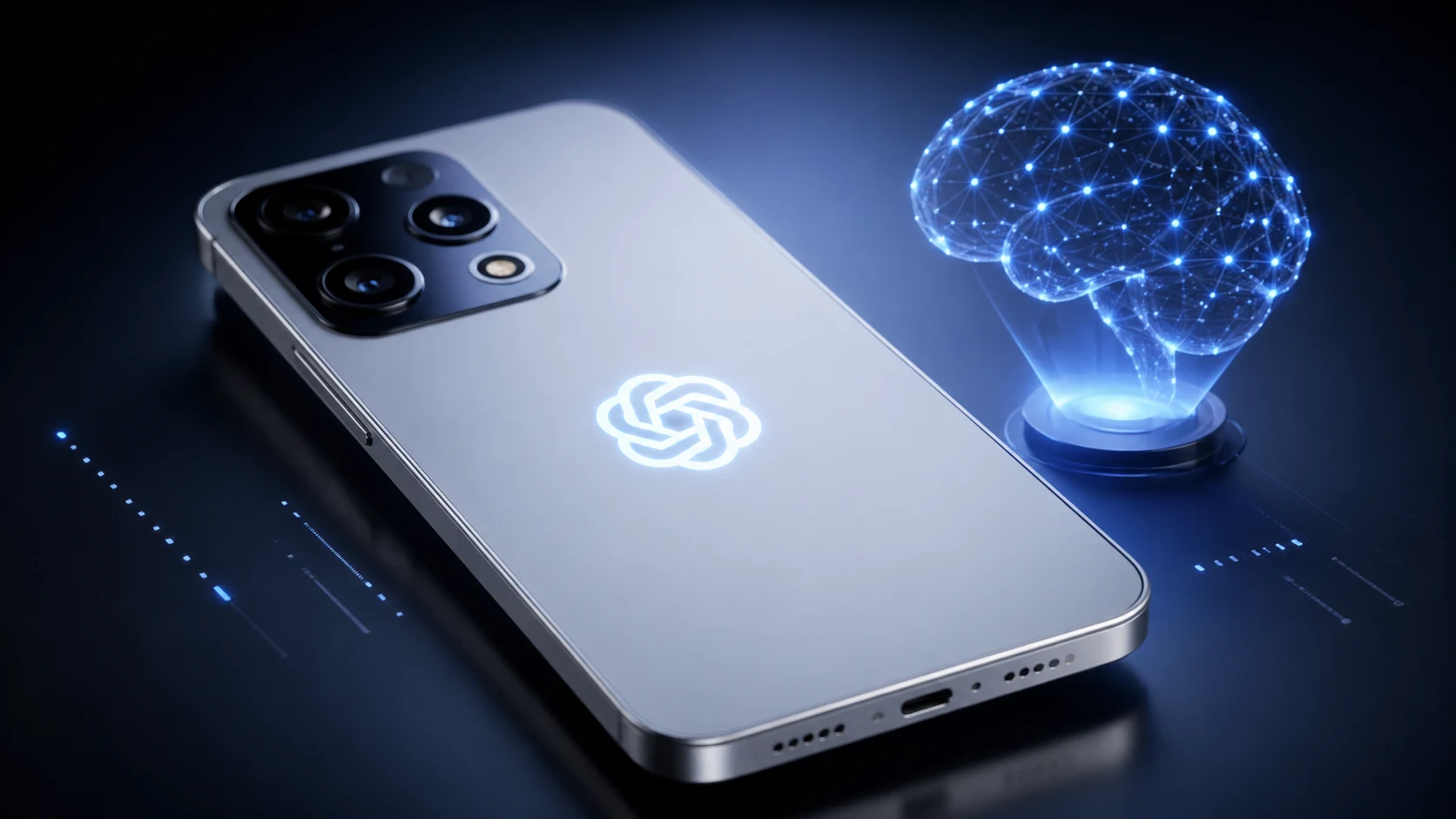
The global tech industry never stays quiet for long, and 2026 just delivered another headline that instantly grabbed attention. Rumors about an OpenAI Phone have started spreading across international media, investors, gadget communities, and social platforms. While there is still no fully confirmed commercial launch, the conversation alone has been enough to shake expectations around what the next generation of smartphones could become. People are now asking a serious question: what if the future of mobile devices is no longer led only by classic phone brands, but by AI-first companies?
That idea sounds bold, but it also feels realistic. For years, smartphones have evolved through better cameras, faster processors, brighter screens, and longer battery life. Those upgrades still matter, but many consumers now feel the market has become predictable. Every year brings a slightly better version of the same formula. The possible arrival of an OpenAI Phone changes that narrative because it suggests a device designed around intelligence first, hardware second.
If this becomes real, it may not just be another smartphone. It could become the blueprint for a completely new category of personal gadgets. In this article, we break down why the OpenAI Phone rumor matters, what features people expect, how it could disrupt Apple and Samsung, and why the next gadget war may be about AI ecosystems instead of specs.
Why the OpenAI Phone Rumor Matters
Not every device rumor becomes a global discussion, but this one hit differently. That is because OpenAI is not a random startup trying to enter hardware. It is one of the most recognized names in modern artificial intelligence. ChatGPT changed how millions of people interact with software, productivity tools, search systems, and creative workflows.
When a company with that level of AI influence gets linked to a smartphone concept, people immediately imagine something bigger than a normal device launch. They imagine a phone that understands context, predicts needs, automates tasks, and behaves more like a personal assistant than a tool.
Traditional smartphone launches usually focus on megapixels, refresh rates, chip benchmarks, or thin bezels. The OpenAI Phone conversation focuses on behavior. Can it think? Can it organize life? Can it replace multiple apps? Can it understand users naturally?
That shift in discussion shows how consumer priorities are changing. Hardware still matters, but intelligence now feels like the next premium feature.
The Smartphone Market Needed a Shake-Up
Let’s be honest. The smartphone market has felt repetitive for several years. Consumers upgrade less often because many current phones are already powerful enough. Camera quality is excellent across price tiers. Performance is fast enough for daily use. Displays are sharp. Batteries are decent. Innovation still exists, but the wow factor is harder to find.
That creates an opening.
Whenever a category becomes predictable, disruption usually comes from a company willing to redesign the experience rather than polish the same template. That is exactly why the OpenAI Phone rumor feels so powerful. It suggests the next leap may not come from adding another lens or increasing charging speed. It may come from redesigning how humans interact with devices.
Imagine opening your phone and never needing to hunt through dozens of apps. Imagine speaking naturally and having your phone book meetings, summarize messages, order transportation, edit documents, and plan your week. That sounds more transformative than a camera sensor upgrade.
What Could an OpenAI Phone Actually Be?
No official full product details exist, but market speculation points toward several likely directions. If OpenAI ever launches a phone or AI hardware device, it would probably center around these pillars.
1. AI-Native Operating Experience
Most phones today add AI as a feature layer. Translation tools, photo editing, smart typing, voice assistants, and search summaries are placed on top of traditional systems.
An OpenAI Phone would likely reverse that model. AI would become the foundation. Instead of apps being the center, conversations and intent could become the center.
You would not open five apps to plan a trip. You would say:
“Plan a three-day trip next month under my budget, near the beach, with strong food options.”
Then the device handles research, bookings, schedules, reminders, and maps.
That is a massive shift.
2. Deep Personal Context
Modern assistants still struggle with memory and continuity. Users repeat themselves constantly. A true AI-first phone could remember preferences, routines, contacts, tone, goals, and habits securely.
That means smarter recommendations:
- Better calendar management
- Smarter message drafting
- Personalized health reminders
- Adaptive focus modes
- Relevant shopping suggestions
- Context-aware navigation
The phone stops acting generic and starts acting personal.
3. Less Screen Dependency
One of the most interesting possibilities is reducing screen addiction. Ironically, the next great phone may require less screen time.
If AI can summarize notifications, filter noise, handle background tasks, and present only what matters, users spend less time endlessly tapping around.
That would be a major selling point for modern consumers overwhelmed by digital clutter.
4. Voice That Actually Works
Voice assistants have existed for years, but many people stopped relying on them because they often misunderstand commands or offer shallow responses.
OpenAI’s natural language expertise creates expectations that voice control could finally become useful. Instead of robotic commands, users may speak casually and still get accurate results.
That would turn voice into a daily habit rather than a novelty.
How It Could Challenge Apple and Samsung
Apple and Samsung dominate premium smartphone conversations for good reason. They offer trusted ecosystems, polished hardware, retail scale, and loyal customers. But even giants must adapt when a new computing shift begins.
The OpenAI Phone rumor pressures incumbents in several ways.
Apple Faces the Ecosystem Question
Apple wins through ecosystem lock-in. iPhone, Mac, Apple Watch, AirPods, iCloud, and services all connect smoothly.
But if AI becomes the main operating layer, ecosystem strength may shift from hardware integration to intelligence integration. The company with the smartest assistant may gain an advantage over the company with the smoothest hardware sync.
Apple knows this, which is why AI development has become more visible in recent years.
Samsung Faces the Innovation Speed Question
Samsung is excellent at hardware experimentation. Foldables, displays, camera sensors, and AI partnerships already show aggressive strategy.
However, if users begin demanding AI-native devices instead of hardware-first devices, Samsung must accelerate deeper software identity rather than only powerful specs.
Android Brands Face Opportunity
Smaller Android brands may actually benefit. If the market moves toward AI experiences, they can differentiate faster without needing to outspend Apple in prestige branding.
That means the OpenAI Phone rumor could influence the whole market, even if the device itself never launches.
The Real Product Might Not Be a Phone
Here is the twist many analysts discuss: the future gadget from OpenAI may not be a traditional phone at all.
It could be:
- A wearable communicator
- A pocket AI companion
- A screen-light smart device
- A modular assistant hub
- A voice-first mobile computer
- A cross-device personal intelligence layer
Why does this matter? Because consumers still call any daily personal gadget a “phone” even when the category evolves.
Think about how people once called every tablet a giant phone or every laptop a notebook. Names lag behind innovation.
So the phrase OpenAI Phone may simply mean the next mainstream personal AI device.
What Consumers Actually Want in 2026
The biggest lesson from this rumor cycle is not about one brand. It is about user demand.
Consumers increasingly want:
- Simpler digital lives
- Less app overload
- Better battery efficiency
- Smarter productivity
- Useful automation
- Personalized recommendations
- Real voice interaction
- Privacy control
- Cross-device convenience
The next winning gadget will solve pain points, not just show off specs.
That is why the OpenAI concept resonates. People are tired of incrementalism. They want meaningful upgrades.
Could AI Replace Apps?
One of the boldest predictions surrounding AI devices is the decline of the traditional app grid.
Today users open separate apps for:
- Messaging
- Food delivery
- Travel booking
- Notes
- Calendars
- Music
- Finance
- Shopping
- Editing
An advanced AI layer could become the universal interface that routes tasks behind the scenes. You request outcomes, not apps.
Need dinner reservations, calendar sync, and a rideshare after? One prompt.
Need a logo draft, social caption, and posting schedule? One prompt.
Need bill reminders and budget alerts? One prompt.
Apps may still exist, but the front-end relationship changes dramatically.
Privacy Will Decide Everything
No future AI gadget succeeds without trust.
If a device understands schedules, messages, preferences, health patterns, and habits, privacy becomes non-negotiable. Consumers will demand:
- On-device processing where possible
- Clear data controls
- Transparent permissions
- Easy deletion tools
- Strong encryption
- Optional cloud features
The smartest device in the world fails if people fear it.
That means any OpenAI Phone strategy must balance intelligence with user control.
Investor Reaction Shows Bigger Stakes
Whenever rumors tied to OpenAI affect semiconductor stocks, hardware suppliers, or platform companies, it reveals how serious markets take AI hardware possibilities.
Investors understand that the next trillion-dollar wave may not come only from software subscriptions. It may come from new consumer devices powered by AI chips, sensors, and services.
That includes:
- AI phones
- Smart glasses
- Ambient assistants
- Automotive AI systems
- Home robotics
- Wearable intelligence devices
The phone rumor is symbolic of a much larger race.
Why Gen Z and Young Professionals Care
Younger users are often first adopters of new device behavior. They care less about legacy brand loyalty and more about usefulness, speed, creativity, and lifestyle fit.
If a device helps them:
- Manage side hustles
- Create content faster
- Study smarter
- Automate boring tasks
- Reduce digital stress
- Improve work efficiency
They will switch faster than previous generations.
That is why AI-first gadgets have strong potential traction among students, creators, freelancers, startup workers, and remote professionals.
What an OpenAI Phone Needs to Win
If this product ever becomes real, it would need more than hype. It must deliver in five key areas.
1. Reliable Hardware
People still need battery life, camera quality, signal strength, and durability.
2. Fast AI Response
No lag. No confusion. No repeated prompts.
3. Trustworthy Privacy
Clear controls and secure architecture.
4. Everyday Usefulness
Must solve real daily problems, not demo tricks.
5. Fair Pricing
Consumers will not overpay for experimental ideas unless value is obvious.
The Industry Is Already Responding
Even without a launch, competitors are reacting. Every major tech company now talks more aggressively about AI in devices.
We are seeing:
- AI summaries in phones
- Live translation tools
- Smart image editing
- Personal assistants upgraded
- Predictive productivity tools
- On-device AI chips
That means the rumor alone has impact. It accelerates market behavior.
The Future Gadget Race Has Officially Changed
For over a decade, smartphone competition was about:
- Better cameras
- Faster chips
- Bigger displays
- Thinner bodies
- Better ecosystems
Now it is shifting toward:
- Better intelligence
- Better context awareness
- Better automation
- Better privacy AI
- Better human-device interaction
That is a more profound competition.
Final Thoughts
The OpenAI Phone may still be rumor, concept, partnership speculation, or something entirely different from a classic smartphone. But the conversation matters because it signals where consumer tech is heading.
People no longer want just another rectangle with minor upgrades. They want devices that think, assist, simplify, and adapt. They want technology that feels less like a machine and more like support.
Whether OpenAI launches a phone, wearable, assistant device, or operating platform, one thing is clear: the future gadget war will be fought through intelligence.
Apple, Samsung, Google, and every ambitious hardware brand can see it coming.
2026 may be remembered as the year the smartphone stopped being just a phone.
Want more gadget insights?
Explore more articles on smartphones, wearables, flagship launches, AI devices, and the future of consumer tech.

Related Articles
AI Wearables 2026 Are Replacing Smartphones
AI Smart Ring Trends Reshape Premium Gadgets