Samsung Galaxy AI Glasses Two Versions Coming
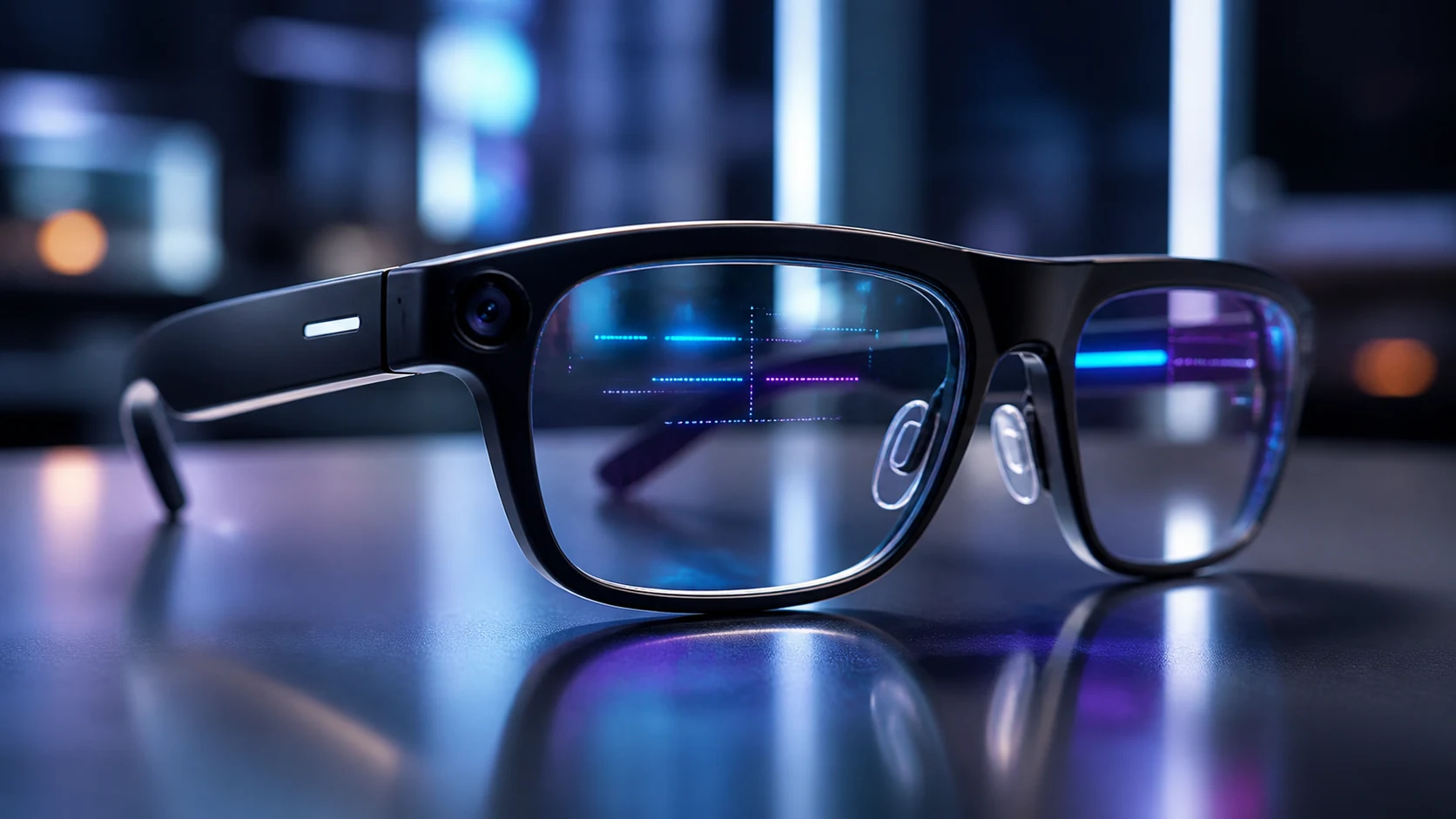
The wearable tech race is entering a new chapter, and Samsung Galaxy AI Glasses could become one of the most important product launches in the smart gadget industry. Reports suggest Samsung is preparing not one, but two versions of Galaxy AI Glasses, signaling a serious push into the next generation of connected devices. For years, smartphones dominated how people interact with technology. Now, AI-powered wearables are starting to challenge that dominance, and Samsung appears ready to make a bold move.
This development is not just another gadget rumor. It reflects a much larger shift happening across the global tech market. Artificial intelligence is moving away from apps and cloud platforms into everyday objects people can wear, speak to, and rely on instantly. Glasses are especially interesting because they can blend technology into daily life without forcing users to constantly hold a screen. That creates new possibilities for communication, navigation, entertainment, health, and productivity.
Samsung already has strong experience in hardware ecosystems. From Galaxy smartphones to tablets, earbuds, smartwatches, TVs, and home devices, the company knows how to build products that work together. If Galaxy AI Glasses launch successfully, they could become the missing link between mobile devices and ambient computing. Instead of reaching for a phone every few minutes, users may simply glance, speak, or gesture.
The fact that Samsung is reportedly developing two separate models also matters. It suggests the company understands wearable tech users are not all the same. Some consumers want style and lightweight convenience. Others want advanced features like augmented reality, fitness tools, and professional productivity support. Multiple versions can help Samsung target both casual buyers and premium early adopters at the same time.
In this article, we break down what these Galaxy AI Glasses could mean, what features may arrive, how they might compete with Apple, Meta, and Google, and why 2026 could become the year AI eyewear goes mainstream.
Why Samsung Galaxy AI Glasses Matter Now
Timing is everything in technology. Launch too early, and the market is not ready. Launch too late, and competitors already own the space. Samsung seems to be entering the smart glasses category at the perfect moment.
Consumers are more comfortable with wearable technology than ever before. Smartwatches were once niche products. Now they are common. Wireless earbuds went from luxury gadgets to everyday essentials. That same adoption curve could happen with smart glasses if brands solve comfort, battery life, and real-world usefulness.
Artificial intelligence also changes the equation. Earlier smart glasses often struggled because they felt like novelty products. Cameras in frames or simple notification displays were not enough reason for people to wear them daily. AI adds practical value. Smart glasses can now summarize messages, translate languages, guide navigation, recognize objects, answer questions, and act like a real-time assistant.
Samsung has another advantage: trust in hardware manufacturing. Building stylish, lightweight glasses with durable batteries, quality audio, and polished software is difficult. Samsung already produces displays, chips, batteries, cameras, and premium consumer devices. Few companies have that level of vertical integration.
If executed well, Galaxy AI Glasses could be more than accessories. They could become the next computing platform.
Two Versions Could Change the Strategy
The most interesting part of the reports is the suggestion that Samsung is preparing two versions rather than a single product. That move could be strategic for several reasons.
First, price segmentation matters. Wearable tech often fails when only expensive premium models exist. By offering two versions, Samsung may create an entry-level model and a premium model. This lets more users try the category while still giving enthusiasts high-end features.
Second, design preferences vary widely. Some users want glasses that look almost identical to normal eyewear. Others are comfortable with more futuristic frames if they gain stronger functionality. Two models allow Samsung to serve both style-first and tech-first audiences.
Third, regional markets behave differently. In some countries, consumers prioritize affordability. In others, they demand premium innovation first. Dual versions allow Samsung to adapt globally without rebuilding the entire product line.
Possible lineup ideas include:
Standard Galaxy AI Glasses
- Lightweight frame
- Voice assistant integration
- Audio speakers
- Notifications
- Camera support
- Basic translation tools
- Lower price point
Galaxy AI Glasses Pro
- Advanced augmented reality overlays
- Better battery life
- Higher resolution display lenses
- Gesture controls
- Productivity workspace features
- Premium materials
- Stronger AI processing
This split would mirror what Samsung already does with smartphones, tablets, and earbuds.
Expected AI Features Users Actually Want
The biggest question with any wearable is simple: what problem does it solve? Smart glasses need daily-use features, not gimmicks.
Samsung can use its Galaxy AI ecosystem to make these glasses genuinely useful.
Real-Time Translation
Imagine talking to someone in another language while subtitles appear naturally in your view or through audio playback. Travel, business, and education users would immediately see the value.
Hands-Free Assistant
Instead of unlocking a phone, users could ask:
- Read my next meeting
- Send a quick reply
- Find nearest coffee shop
- Summarize today’s emails
- Start navigation home
This saves time and feels natural.
Smart Notifications
Rather than checking a phone 100 times daily, subtle notifications could appear only when important. AI filtering would matter here. Nobody wants spam floating in front of their face.
Live Navigation
Walking directions shown directly while moving through a city could be one of the strongest use cases. No more staring down at a map.
Productivity Support
Professionals may use glasses for reminders, calendar prompts, task lists, call summaries, and instant note capture.
Health and Wellness
Samsung already works in wearables health data through Galaxy Watch. Smart glasses could eventually add posture guidance, eye fatigue alerts, focus timers, or workout coaching.
Design Will Decide Everything
Consumers forgive bugs faster than ugly design. That is the brutal truth of wearables. If Galaxy AI Glasses look awkward, adoption slows immediately.
Samsung likely knows this. The company has years of experience balancing premium materials with mass-market appeal. To succeed, the glasses need to feel like fashion products first and tech products second.
Important design priorities include:
Comfort
People may wear glasses for hours. Weight distribution, nose support, and frame balance matter more than flashy specs.
Battery Placement
Smart glasses need batteries, microphones, speakers, processors, and sensors. Hiding all of that elegantly is difficult.
Lens Options
Prescription support is essential. Many users already wear glasses daily. Ignoring that audience would be a huge mistake.
Privacy Indicators
If cameras are included, visible recording lights or clear privacy controls will be necessary to reduce social discomfort.
Style Variety
Different face shapes and fashion tastes require options. A one-style-fits-all strategy rarely works.
How Samsung Could Beat Rivals
Competition in AI wearables is getting intense.
Meta already pushed smart glasses into mainstream discussion through its Ray-Ban partnership. Apple is rumored to continue exploring future eyewear products after Vision Pro. Google remains active in AI and Android ecosystems. Startups are also experimenting with pins, pendants, earbuds, and lightweight displays.
So how does Samsung win?
1. Ecosystem Power
Galaxy phones, Galaxy Watch, Buds, TVs, laptops, and SmartThings devices create a connected environment. Glasses that sync instantly across this network would feel powerful.
2. Android Influence
Samsung’s deep Android relationship gives access to apps, services, and developer ecosystems at scale.
3. Global Reach
Samsung already sells devices worldwide through retail partners, carriers, and online stores. Distribution matters more than hype.
4. Hardware Manufacturing
Samsung can build screens, memory, chips, batteries, and cameras internally or through trusted supply chains.
5. Brand Trust
Consumers know Samsung launches serious products with long-term support, unlike many startup gadgets that disappear.
Potential Challenges Ahead
Even with momentum, launching smart glasses is difficult. Samsung still faces major hurdles.
Battery Life
Users expect all-day wearability. If glasses need charging every few hours, mainstream users may lose interest fast.
Privacy Concerns
Camera-equipped wearables always trigger debate. Samsung must clearly communicate privacy protections.
Software Value
If glasses only duplicate phone functions, people will just use their phones. The experience must feel better, faster, or easier.
Comfort and Heat
Miniature electronics create heat. Frames that get warm or uncomfortable will fail daily-use expectations.
Price Pressure
Too expensive, and only enthusiasts buy them. Too cheap, and margins shrink while quality suffers.
What This Means for Smartphones
Will smart glasses replace smartphones immediately? Probably not. But they could reduce how often people interact with phones.
That shift matters more than total replacement. If users stop checking phones for quick tasks, screen time behavior changes dramatically.
Phones may become background devices used for:
- Long typing
- Gaming
- Video editing
- Heavy app usage
- Media creation
- Large-screen tasks
Meanwhile glasses could handle:
- Quick messages
- Navigation
- Notifications
- AI assistance
- Calls
- Real-world contextual information
This creates a companion model first, replacement model later.
Why 2026 Could Be the Breakout Year
The market conditions finally look aligned.
AI Is Mature Enough
Consumers now understand AI assistants, summaries, voice tools, and translation features.
Hardware Is Smaller
Processors and batteries are more efficient than earlier smart glasses generations.
People Want Less Screen Dependence
Many users are tired of staring at phones constantly. Wearables offer a softer interface.
Brands Are Committed
Samsung, Meta, Apple, Google, and others are all investing in new form factors.
That combination often signals a category ready to explode.
What Buyers Should Watch Before Launch
If Samsung officially announces Galaxy AI Glasses, consumers should pay attention to five key details:
1. Battery Life Claims
Real-world battery usage matters more than lab numbers.
2. Weight
If they are too heavy, adoption slows.
3. Prescription Support
Essential for mainstream buyers.
4. AI Subscription Model
Will features require monthly fees?
5. App Ecosystem
What third-party apps can work with them?
These answers may determine whether the glasses become revolutionary or just interesting.
The Gen Z Angle: Why Younger Users May Lead Adoption
Gen Z often drives new device behavior faster than older generations. They adopted short-form video, creator commerce, wireless audio, and social-first hardware trends quickly. Smart glasses may follow that pattern.
Why younger buyers may care:
- Faster messaging without phone checks
- Live captions for content creation
- Navigation for city life
- Translation for travel culture
- Fashion-forward tech identity
- AI productivity for study and work
If glasses become socially accepted and visually cool, adoption can accelerate rapidly.
Samsung’s Bigger Vision
This product is likely bigger than eyewear alone. Galaxy AI Glasses could become the front-end of Samsung’s long-term ambient computing strategy.
Imagine glasses connected with:
- Galaxy smartphone processing
- Watch health data
- Earbuds audio privacy
- Smart home controls
- Car integration
- Work devices and cloud services
That creates a seamless digital layer around daily life. The glasses are simply the visible gateway.
Final Verdict
The rumored launch of Samsung Galaxy AI Glasses in two versions could become one of the most significant gadget stories of the year. It shows Samsung is not treating smart eyewear as an experiment. A dual-model strategy suggests confidence, planning, and ambition.
If the company delivers stylish hardware, practical AI tools, long battery life, and smart pricing, Galaxy AI Glasses could help move wearables into the mainstream. The biggest winners would be users who want technology to feel less distracting and more natural.
Smartphones changed the world by putting computers in pockets. Smart glasses may change it again by placing intelligence directly in front of our eyes.
And if Samsung gets this launch right, the future of gadgets may look a lot closer than people think.
Want more gadget insights?
Explore more articles on smartphones, wearables, flagship launches, AI devices, and the future of consumer tech.

Related Articles
AI Wearables 2026 Are Replacing Smartphones
AI Smart Ring Trends Reshape Premium Gadgets