
Samsung Regains Global Smartphone Market Lead
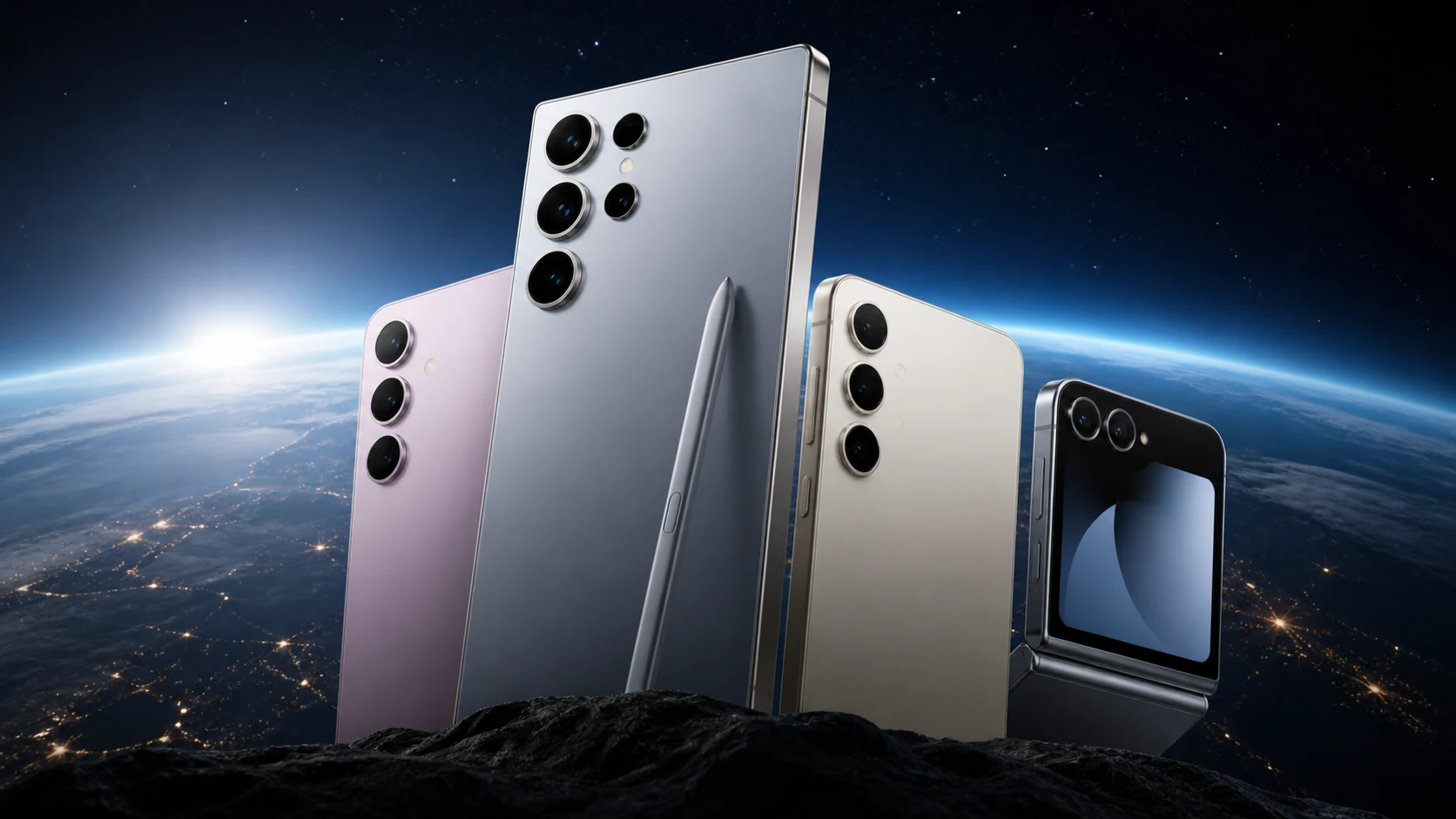
Samsung is back on top, and the global smartphone industry is paying close attention. After facing aggressive competition from Apple, Xiaomi, and several fast-growing Chinese brands, Samsung has once again secured the number one position in worldwide smartphone shipments. This comeback is more than just a numbers game. It reflects how the company adapted to changing consumer behavior, doubled down on innovation, and used timing to its advantage. For anyone watching the tech industry in 2026, this is one of the biggest stories of the year.
The return of Samsung to the top of the smartphone market signals a shift in momentum. Consumers are becoming more selective, premium devices are evolving faster, and artificial intelligence features are now influencing buying decisions. Samsung appears to understand this new landscape better than many rivals. With strong flagship launches, better mid-range devices, and an expanding ecosystem, the company has rebuilt its leadership position step by step.
For years, the smartphone market has been a battlefield where no brand can stay comfortable for too long. Apple dominates premium loyalty, Xiaomi pushes aggressive pricing, and brands like Transsion have grown rapidly in emerging markets. Yet Samsung has managed to balance scale, premium appeal, and innovation in a way that few others can match. That balance is likely the reason it has reclaimed the crown.
How Samsung Returned to Number One
Samsung’s rise back to the top did not happen overnight. It was the result of several strategic decisions that started paying off at the same time. The company strengthened its flagship Galaxy S series, improved foldable devices, and refreshed the Galaxy A lineup that sells strongly in price-sensitive markets. Instead of relying on one segment, Samsung attacked from every level.
The Galaxy S26 lineup played a huge role in this momentum. Premium buyers want performance, camera upgrades, battery improvements, and AI-powered convenience. Samsung delivered all of those in one package. Consumers looking for a premium Android phone found Samsung offering a complete experience with mature software, polished hardware, and ecosystem integration.
At the same time, Samsung’s mid-range phones remained highly competitive. Many users no longer feel the need to spend flagship money. Devices in the Galaxy A series provide strong cameras, big batteries, AMOLED displays, and reliable performance at lower prices. This strategy gave Samsung broad reach across both developed and emerging markets.
Timing also helped. While some competitors faced supply issues, slower launches, or weak upgrade cycles, Samsung moved with consistency. That matters in a market where momentum can shift quickly.
The Power of Galaxy AI
One of the biggest reasons Samsung regained attention is Galaxy AI. Artificial intelligence is no longer just a marketing term. Consumers now expect useful AI tools that save time, improve productivity, and make phones smarter in everyday life. Samsung leaned heavily into that trend.
Features like live translation, smarter photo editing, writing assistance, note summaries, and contextual search changed how users view smartphone upgrades. Instead of only selling faster chips or sharper screens, Samsung sold convenience. That resonates strongly with modern buyers who want real value.
Many consumers delayed upgrading phones in recent years because hardware improvements felt minor. AI changed that conversation. When people see a device helping them work faster, communicate better, or create content more easily, the reason to upgrade becomes clearer. Samsung used that shift better than many competitors.
Galaxy AI also helped Samsung build a stronger brand identity. Rather than being just another Android maker, Samsung positioned itself as the company bringing practical AI to everyday users at scale.
Why Apple Slipped Behind
Apple remains one of the strongest brands in the world, but market leadership depends on timing and shipment volume, not only prestige. In certain periods, Samsung benefits from a broader portfolio and faster refresh cycles. Apple traditionally focuses on a smaller number of premium devices, which can create seasonal swings.
Samsung also competes more aggressively in mid-range categories where Apple has limited presence. Many consumers worldwide want affordable smartphones with premium-like features. Samsung meets that demand with dozens of relevant models across price points.
Another factor is upgrade fatigue. Some iPhone users are holding onto devices longer. If yearly changes feel incremental, replacement cycles slow down. Meanwhile, Samsung users can choose from standard flagships, Ultra models, foldables, and budget options, giving buyers more reasons to stay engaged.
This does not mean Apple is weak. It means the market is more competitive than ever, and Samsung found the right formula at the right moment.
Emerging Markets Matter More Than Ever
When people discuss smartphone dominance, they often focus on the United States or Europe. But global leadership is decided across many regions, especially emerging markets. Countries in Asia, Africa, Latin America, and the Middle East are now central to shipment growth.
Samsung has long experience operating globally. It understands that pricing, retail partnerships, local software needs, financing offers, and after-sales service all matter. That experience gives the company a major edge.
In many markets, Samsung is trusted as a premium yet accessible brand. Consumers may aspire to own Galaxy S devices while realistically buying Galaxy A models. That ladder strategy builds long-term loyalty. A user who starts with an affordable Samsung phone may upgrade to a premium Galaxy later.
Brands that rely only on premium pricing or only on budget pricing often struggle to build this kind of full-cycle customer relationship. Samsung benefits because it covers nearly every stage of the buyer journey.
Foldables Still Give Samsung a Unique Edge
Another underrated factor in Samsung’s comeback is foldable leadership. While foldables are still a smaller category compared to traditional slab phones, they create brand excitement and innovation credibility. Samsung has invested in foldables for years, and now that persistence is paying off.
The Galaxy Z Fold and Galaxy Z Flip lines help Samsung stand apart. Consumers who want something different often see Samsung as the safest foldable choice. Better durability, improved software, and refined hardware made these devices more mainstream than before.
Even people who do not buy foldables are influenced by them. They see Samsung as a brand pushing boundaries rather than standing still. That perception helps across the whole product lineup.
Innovation matters in branding. A company known for experimenting often gains more attention than one seen as overly cautious.
Software Support Became a Bigger Deal
Years ago, Android buyers worried about software updates. Samsung changed that narrative by offering longer update commitments and stronger security support. This matters more than many people realize.
Consumers keep phones longer now. They want devices that remain safe, fast, and relevant for several years. Samsung’s improved software policy made buyers more comfortable spending money on Galaxy phones.
The One UI experience also matured significantly. It is cleaner, smarter, and more useful than older generations of Samsung software. Features like multitasking, customization, privacy controls, and ecosystem continuity add real daily value.
When hardware differences shrink across brands, software quality becomes a deciding factor. Samsung understood that shift and improved where it once faced criticism.
The Camera War Continues
Cameras remain one of the biggest purchase drivers in smartphones. Samsung has consistently marketed camera innovation aggressively, and that strategy still works. Whether it is zoom performance, night photography, portrait quality, or AI editing tools, Samsung knows how to turn camera specs into consumer interest.
Social media culture also fuels this advantage. People want better photos, smoother video, and easier editing for TikTok, Instagram, YouTube Shorts, and messaging apps. Samsung devices increasingly serve creators, casual users, and professionals alike.
The company’s ability to combine hardware sensors with AI image processing is especially important. Modern buyers care less about megapixel numbers alone and more about how photos actually look. Samsung has improved in that area.
Why Consumers Are Choosing Samsung Again
Several trends explain why buyers are returning to Samsung:
1. More Choice
Samsung offers premium, mid-range, budget, and foldable devices. Consumers can stay within one ecosystem regardless of budget.
2. Better Value
Many Galaxy phones deliver strong displays, cameras, batteries, and AI tools at competitive prices.
3. Trusted Brand
Samsung remains one of the most recognized names in electronics worldwide.
4. Ecosystem Growth
Phones now connect with watches, tablets, earbuds, TVs, and smart home devices.
5. AI Appeal
Consumers want practical AI, not empty promises. Samsung is delivering visible features now.
These factors combine into a compelling upgrade story.
Challenges Still Ahead
Even though Samsung regained the top spot, staying there will be harder than reaching it. Competition is relentless. Apple is expected to push harder into AI. Chinese brands continue improving hardware while keeping prices aggressive. Regional brands are also gaining traction in specific countries.
Samsung must avoid complacency. Market leadership can disappear quickly if innovation slows or pricing becomes disconnected from reality. Consumers today switch brands more easily than before.
There is also the issue of economic pressure. Inflation, currency shifts, and cautious spending behavior can reduce premium smartphone demand. Samsung needs to keep balancing premium ambition with mainstream affordability.
Supply chain resilience will remain critical as well. Global tech companies still face risks from logistics disruption, semiconductor constraints, and geopolitical uncertainty.
What This Means for Android
Samsung leading the global smartphone market is also important for the Android ecosystem. As the largest Android manufacturer, Samsung influences developer priorities, app optimization, feature trends, and hardware expectations.
When Samsung succeeds, Android gains stronger visibility against Apple. More premium Android sales can encourage developers to optimize apps faster, accessories makers to expand support, and consumers to view Android as equally aspirational.
Samsung also helps normalize advanced features such as foldables, desktop modes, AI productivity tools, and high-end camera systems. Those innovations often spread across the Android ecosystem over time.
The 2026 Smartphone Market Is Different
This market comeback reflects a larger truth: smartphones are no longer sold only through hardware power. Buyers now care about usefulness, software life span, AI integration, ecosystem convenience, and long-term value.
Samsung adapted to that reality. Instead of betting on one hero feature, it built a more complete package. That is why its return to number one feels earned rather than accidental.
The smartphone market of 2026 rewards brands that understand real user behavior. Consumers want phones that work harder, last longer, and fit into connected lifestyles. Samsung aligned with that shift earlier than some competitors.
Can Samsung Hold the Crown?
That is the next big question. Winning one quarter or one year is impressive, but maintaining leadership is another challenge entirely. Apple remains powerful. Xiaomi remains aggressive. New categories like AI wearables could reshape priorities. Foldables may grow faster. Services revenue may become more important than hardware margins.
Samsung, however, enters this phase with momentum. It has strong retail presence, a trusted global brand, competitive products, and renewed relevance in AI conversations. Those are valuable assets.
If Samsung keeps improving software, pricing smartly, and innovating beyond yearly spec bumps, it has a real chance to remain number one longer than skeptics expect.
Final Thoughts
Samsung regains global smartphone market lead is more than a headline. It is a sign that the company successfully recalibrated in one of the most competitive industries on earth. Through better product balance, stronger AI execution, wider market reach, and consistent innovation, Samsung has reminded everyone why it became a giant in the first place.
For consumers, this is good news. Real competition drives better phones, smarter pricing, and faster innovation. For rivals, it is a warning that Samsung is far from finished. For the tech world, it confirms that the smartphone race in 2026 is still wide open.
Samsung may be back on top today, but the real story is how it got there—and whether anyone can stop the momentum now.
Want more gadget insights?
Explore more articles on smartphones, wearables, flagship launches, AI devices, and the future of consumer tech.

Related Articles
AI Wearables 2026 Are Replacing Smartphones

AI Smart Ring Trends Reshape Premium Gadgets