AI Cybersecurity Becomes Gadget Essential in 2026
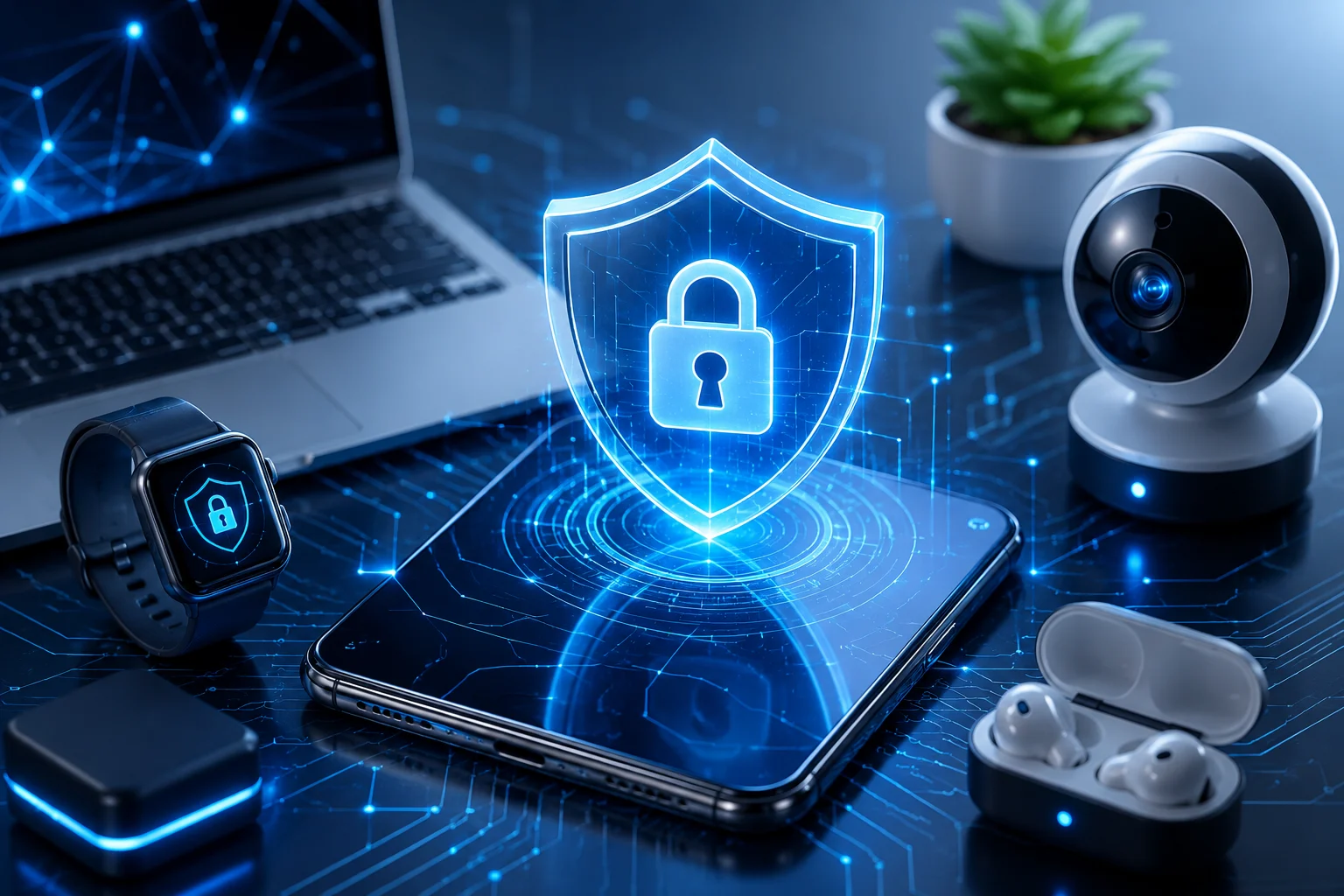
The gadget industry has officially entered a different era, and honestly, people can feel it every single day. Just a few years ago, consumers mostly cared about camera quality, battery life, display brightness, and charging speed whenever a new device launched. Now the conversation has shifted hard toward privacy, digital safety, and how secure a device actually feels while connected to dozens of apps, cloud systems, smart home products, and AI assistants at the same time. The rise of AI Cybersecurity is no longer just a topic for enterprise companies or massive tech corporations because everyday users are now becoming direct targets of cyber threats that look smarter than ever. From phishing attacks disguised as voice notes to malicious AI-generated apps pretending to be legitimate software, modern threats have evolved faster than most people expected.
What makes the situation more intense is how deeply gadgets have become integrated into everyday routines. Smartphones are no longer just communication devices because they now store banking access, health records, personal memories, work files, crypto wallets, and biometric data all at once. Wearables monitor sleep patterns and heart rates while AI-powered home gadgets constantly listen for commands and connect to multiple cloud systems. As devices become more intelligent, cybercriminals are also becoming more creative in exploiting weaknesses inside connected ecosystems. That is exactly why AI Cybersecurity has suddenly transformed into one of the biggest priorities in consumer technology throughout 2026.
The interesting part is that users themselves are becoming more aware of digital security compared to previous years. Gen Z consumers especially are surprisingly informed about scams, malware, fake AI apps, identity theft, and privacy leaks because they grew up inside internet culture where online risks are constantly visible. People now question whether their gadgets can actively defend them instead of simply performing tasks efficiently. Brands that fail to integrate smarter security systems into their products are slowly starting to look outdated in the eyes of modern buyers. This shift has pushed manufacturers into an intense race to create gadgets that are not only smart but also capable of detecting threats in real time.
Why AI Cybersecurity Suddenly Matters More Than Ever
The explosion of connected devices is probably the biggest reason why AI Cybersecurity became unavoidable in 2026. A single user might own a smartphone, smartwatch, tablet, gaming console, wireless earbuds, smart TV, AI assistant speaker, connected car dashboard, and cloud-linked laptop all at once. Every one of those gadgets creates a new entry point for hackers if security systems are weak or outdated. Cyberattacks are no longer limited to obvious viruses because modern threats can quietly observe user behavior, imitate voices, or steal biometric patterns without users realizing it immediately. That level of sophistication forced the gadget industry to rethink security entirely.
Another major factor is the rise of AI-generated cybercrime. Hackers now use artificial intelligence to automate phishing campaigns, generate fake identities, mimic speech patterns, and even bypass traditional verification systems. Some scams look almost impossible to distinguish from legitimate messages because AI tools can imitate writing styles, corporate branding, and conversational tones with terrifying accuracy. Traditional antivirus systems struggle against these adaptive attacks because older security methods mostly rely on static databases instead of dynamic learning models. This is where AI-powered cybersecurity systems started becoming extremely valuable since they can analyze unusual behavior patterns instantly and respond before damage spreads.
The gaming industry also contributed heavily to this shift. Online multiplayer ecosystems now involve digital currencies, cross-platform identities, streaming integrations, and personal payment systems, making gamers attractive targets for cybercriminals. Account theft, fake tournament invitations, malware mods, and AI-generated scams have become increasingly common across gaming communities. As a result, gaming gadgets and consoles now advertise security features almost as aggressively as performance upgrades. The idea that cybersecurity is only important for office environments completely disappeared once entertainment devices became high-value attack targets too.
At the same time, remote work culture never really went away after becoming normalized globally. Millions of people continue to use personal gadgets for professional tasks, creating blurred boundaries between work and private digital ecosystems. A security breach on a personal smartphone can potentially expose sensitive company information connected through apps or cloud services. That risk pushed manufacturers to integrate smarter security layers directly into consumer gadgets instead of leaving everything to external software solutions. The result is a new generation of devices where AI Cybersecurity operates constantly in the background like an invisible digital bodyguard.
How AI Cybersecurity Works Inside Modern Gadgets
One of the biggest misconceptions people still have is thinking cybersecurity only means installing antivirus software. Modern AI Cybersecurity systems are significantly more advanced because they focus on behavior analysis rather than just scanning known threats. Instead of waiting for malware signatures to appear, AI models continuously monitor patterns such as typing speed, login behavior, app activity, network access frequency, and unusual file movement. When something abnormal happens, the system reacts immediately even if the threat has never been seen before. That proactive approach changed the entire philosophy of digital security.
Smartphones in 2026 are becoming especially aggressive in using AI security systems. Many flagship devices now analyze suspicious links in real time before users even open them. AI engines can detect manipulated voices during calls, identify phishing attempts inside messaging apps, and warn users when fake login pages appear suspiciously similar to legitimate websites. Some devices even isolate potentially dangerous apps automatically inside restricted environments to prevent system-wide infections. The goal is to stop attacks before users make mistakes instead of relying purely on user awareness.
Wearable gadgets are also evolving in surprising ways. Smartwatches and health trackers now contain biometric anomaly detection systems capable of identifying suspicious access attempts through irregular movement patterns or unusual authentication behavior. If a device notices inconsistencies in how someone interacts with it, access permissions may become temporarily restricted until identity verification is completed. This level of adaptive security feels almost futuristic compared to older password-based systems that dominated technology for decades. It also reflects how deeply AI-driven security technology has embedded itself into everyday consumer electronics.
Another fascinating development is how cloud-connected gadgets communicate with each other to create shared security ecosystems. If one device detects suspicious activity, connected gadgets can receive threat intelligence instantly and adjust security protocols automatically. A compromised smart TV, for example, might trigger enhanced authentication requests across a user’s smartphone and laptop simultaneously. This interconnected protection system makes cyberattacks much harder to spread quietly through multiple devices. It also creates an environment where gadgets actively cooperate to defend users instead of operating as isolated products.
The Rise of Privacy-Focused Consumer Culture
The popularity of AI Cybersecurity is not driven by fear alone because consumer psychology around privacy has evolved dramatically in recent years. Users are becoming more selective about which brands they trust with personal information, especially after repeated controversies involving data leaks, hidden tracking systems, and unauthorized AI training practices. People now actively search for gadgets that advertise transparent security policies and local AI processing instead of excessive cloud dependency. Privacy has slowly transformed into a premium selling point similar to camera quality or design aesthetics.
Younger consumers especially care about digital autonomy in ways older marketing strategies often underestimate. Gen Z users are extremely familiar with algorithms, targeted advertising, tracking systems, and digital manipulation because they grew up constantly exposed to online ecosystems. Many of them intentionally avoid gadgets or apps that feel invasive or overly aggressive with data collection. As a result, brands started positioning AI Cybersecurity features as lifestyle upgrades rather than purely technical functions. Secure devices are now marketed as empowering tools that help users maintain control over their digital identities.
This trend also changed how gadget reviews work across social media platforms and tech communities. Influencers and reviewers increasingly discuss software support duration, encryption systems, biometric protection quality, and AI security performance alongside traditional hardware specifications. Consumers are no longer satisfied with flashy product launches if brands fail to explain how personal data is protected. The modern gadget market rewards companies capable of balancing innovation with trustworthiness. In many cases, trust has become more valuable than raw hardware performance.
Interestingly, the shift toward security-focused gadgets also influenced design philosophy. Devices are becoming cleaner, more permission-transparent, and easier to manage from a privacy perspective. Users now expect clear notifications about microphone usage, camera access, background tracking activity, and suspicious app behavior. Hidden processes that once operated silently are now being exposed through visual dashboards powered by AI monitoring systems. This transparency creates stronger emotional confidence between users and devices, which is something tech companies desperately want in an increasingly skeptical digital world.
Smart Homes Are Turning Into Cybersecurity Battlegrounds
The smart home industry experienced explosive growth throughout the last few years, but it also introduced massive security risks most consumers barely understood at first. Connected door locks, AI assistants, surveillance cameras, smart refrigerators, and automated lighting systems created convenient lifestyles while simultaneously opening countless vulnerability points for hackers. A poorly secured smart home can expose personal schedules, private conversations, live camera feeds, and even physical access systems. That reality forced manufacturers to integrate stronger AI Cybersecurity solutions directly into home ecosystems.
AI-powered smart home protection systems now monitor unusual activity patterns continuously. If a connected camera suddenly starts transmitting abnormal amounts of data or a smart lock receives suspicious remote access attempts, AI security layers can isolate those devices immediately before further compromise occurs. Some systems even learn household behavior patterns to identify anomalies more accurately over time. For example, if a device attempts communication during unusual hours or from unexpected locations, security protocols may automatically escalate. This adaptive defense system feels much more intelligent than older rule-based protections.
Voice assistants became another major security focus in 2026 because AI-generated voice cloning technology improved dramatically. Cybercriminals can now imitate speech patterns with disturbing realism, raising concerns about voice-based authentication systems. To counter this, modern gadgets combine voice recognition with behavioral analysis, environmental context detection, and biometric validation simultaneously. The future of AI Cybersecurity clearly involves layered authentication rather than relying on a single verification method. Companies understand that cyber threats evolve too quickly for simplistic security systems to remain effective.
The rise of connected vehicles also intensified the importance of smart security ecosystems. Modern cars function more like giant mobile computers than traditional vehicles because they rely heavily on cloud communication, AI navigation systems, biometric profiles, and remote software updates. A compromised vehicle system could theoretically expose sensitive user data or disrupt critical functions. Because of this, automotive brands increasingly collaborate with cybersecurity specialists to develop AI-driven defense systems capable of detecting suspicious commands and unauthorized remote access attempts instantly. Cars are no longer separate from the gadget ecosystem because they are now fully integrated digital environments.
The Business Impact Behind AI Cybersecurity Gadgets
Beyond consumer trends, the financial side of AI Cybersecurity is becoming enormous. Companies realized that security-focused gadgets generate stronger long-term trust and customer loyalty compared to devices built purely around flashy hardware marketing. Users are more likely to remain inside ecosystems where they feel protected and respected rather than constantly worried about hidden vulnerabilities. This psychological comfort creates massive commercial advantages for brands investing heavily in cybersecurity innovation. Trust has become one of the most profitable currencies in modern technology.
Subscription-based security ecosystems are also becoming increasingly common. Many gadget manufacturers now offer premium AI monitoring services, identity protection systems, encrypted cloud storage, and advanced threat detection memberships bundled into their devices. This strategy allows companies to create recurring revenue while continuously improving security infrastructure through AI model updates. Consumers initially resisted subscription-heavy ecosystems, but attitudes softened once digital threats became more visible and sophisticated. People are generally willing to pay for protection if the value feels real and immediate.
The chip manufacturing industry is also adapting quickly to this security-focused era. New processors increasingly contain dedicated AI security modules designed specifically for encryption, behavioral monitoring, and threat isolation tasks. Instead of treating cybersecurity as optional software, manufacturers are embedding it directly into hardware architecture. This hardware-level integration significantly improves efficiency while reducing response times during attacks. It also makes bypassing security systems much harder because protection mechanisms operate deeper inside the device ecosystem itself.
Developers and app creators are facing pressure too. Applications that fail to meet modern security expectations risk losing visibility inside app marketplaces or getting flagged by AI-powered operating systems. Users increasingly receive warnings about suspicious permissions, abnormal data collection behavior, or poorly secured apps before installation even begins. This creates an environment where cybersecurity standards influence the entire gadget ecosystem instead of remaining limited to operating system developers alone. The result is a broader industry transformation driven by rising digital awareness and constantly evolving cyber threats.
The Future of AI Cybersecurity Beyond 2026
Looking ahead, it feels obvious that AI Cybersecurity will become even more deeply integrated into consumer technology. Devices are moving toward predictive protection systems capable of anticipating threats before they fully emerge. Instead of reacting to attacks, future gadgets may continuously simulate possible vulnerabilities and strengthen defenses proactively. This concept sounds incredibly advanced, but early versions already exist inside experimental enterprise systems today. Consumer adoption is likely only a matter of time.
Biometric authentication will also evolve far beyond fingerprints and facial recognition. Future gadgets may analyze micro-behavior patterns such as eye movement, walking rhythm, device interaction timing, or neural response patterns to verify identities continuously. This creates an environment where authentication becomes passive and nearly invisible to users while remaining highly secure. The balance between convenience and security is something the gadget industry desperately wants to perfect. AI systems capable of understanding human behavior at deeper levels will play a massive role in that evolution.
Another likely trend involves decentralized security systems powered by local AI processing instead of cloud dependency. Consumers increasingly want gadgets capable of protecting data without constantly sending information to remote servers. Local AI security models offer stronger privacy while reducing risks associated with centralized data storage breaches. As processors become more powerful and efficient, more security operations will happen directly on-device rather than through external networks. This shift could fundamentally reshape how people interact with connected technology.
What makes this moment fascinating is that cybersecurity is finally becoming culturally visible instead of remaining hidden behind technical jargon. People casually discuss phishing scams, privacy settings, biometric security, and AI-generated threats during everyday conversations now. The normalization of digital awareness is changing how gadgets are designed, marketed, and experienced across the entire industry. In many ways, 2026 feels like the year where cybersecurity stopped being optional and officially became part of mainstream consumer identity.
Conclusion
The rise of AI Cybersecurity inside modern gadgets represents more than just another temporary tech trend because it reflects a massive shift in how people view digital life itself. Consumers no longer separate convenience from security since both are now deeply interconnected inside everyday experiences. Smartphones, wearables, smart homes, gaming devices, and connected vehicles all operate inside ecosystems where protection must happen continuously and intelligently. Traditional security methods simply cannot keep up with modern AI-driven cyber threats that evolve in real time.
At the same time, the emotional side of cybersecurity matters more than many companies expected. People want gadgets that feel trustworthy, transparent, and capable of protecting personal identities without creating unnecessary friction. The brands winning attention in 2026 are not just the ones building faster devices but the ones creating safer digital environments users can genuinely rely on. That shift is transforming hardware design, software development, consumer expectations, and even cultural conversations surrounding technology itself.
As cyber threats continue becoming more advanced, the integration of AI-powered cybersecurity systems will likely define the next generation of consumer electronics. Security is no longer a hidden feature buried inside settings menus because it has become part of the core identity of modern gadgets. The future of technology will not only depend on how intelligent devices become, but also on how effectively they can defend the people using them every single day.
Want more gadget insights?
Explore more articles on smartphones, wearables, flagship launches, AI devices, and the future of consumer tech.

Related Articles
AI Wearables 2026 Are Replacing Smartphones

AI Smart Ring Trends Reshape Premium Gadgets